


In the age of artificial intelligence, the fog of war isn’t just on the battlefield, it’s on our screens. A few weeks ago, I watched a video that looked like the Burj Khalifa being bombed during rising tensions in the Middle East. The explosion looked real. The panic in the comment section looked real. For a moment, the war felt terrifying.
Then I learned the video was AI-generated.
Instead of feeling relieved, I felt strangely disconnected. If that video wasn’t real, how many others weren’t either? If I can’t tell the difference anymore, is there even a point in watching war unfold online? That question made me start thinking about something bigger: how artificial intelligence is changing not just warfare itself, but how ordinary people perceive it.
The fog of war; now digital
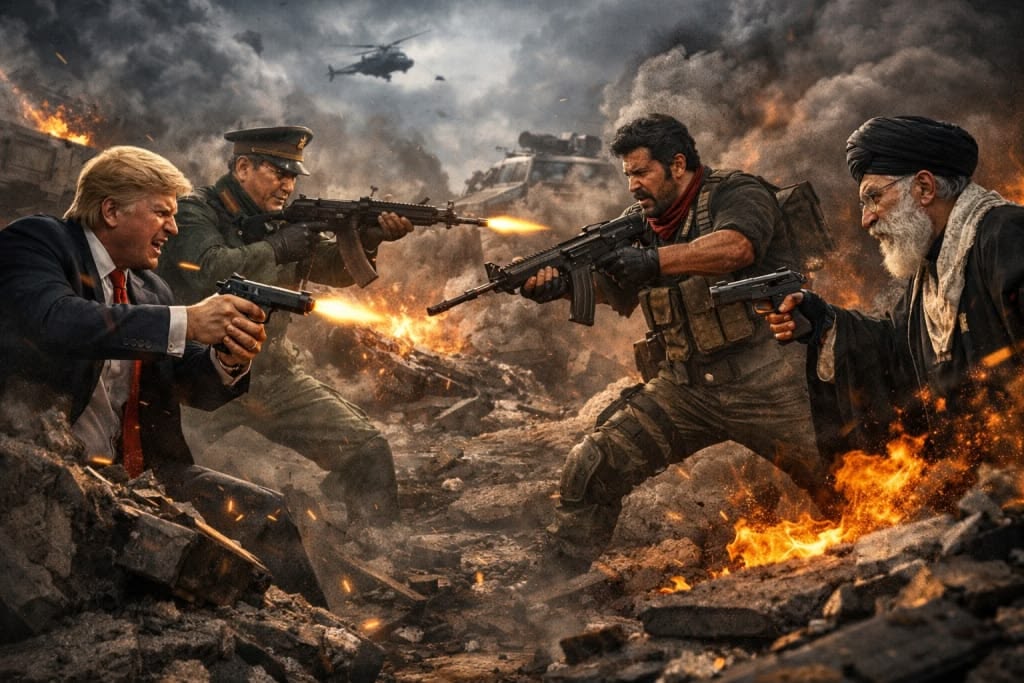
Military strategists have long used the phrase fog of war to describe the confusion that surrounds combat. Information is incomplete, reports contradict each other, and truth can be difficult to verify. Artificial intelligence is making that fog even thicker. AI tools can now generate hyper-realistic videos of missile strikes, destroyed buildings, or military movements in minutes. Some are created intentionally as propaganda. Others are made simply to go viral. The result is a digital environment where real and fake images blend together.
“AI content diverts analysts’ time from legitimate information and makes verification more difficult.” (Bessma Momani, The Globe and Mail)
In other words, the problem isn’t just that fake content exists, it’s that it slows down the process of figuring out what’s real.
Too much information, too little trust
Ironically, we are living in the most visually documented era of war in history. Civilians, journalists, and soldiers constantly upload photos and videos from conflict zones, but the sheer amount of AI-generated media is starting to erode trust in everything. If a missile strike video could be fabricated, then viewers begin to question all footage they see. Even authentic videos risk being dismissed as fake This creates a strange paradox: we have more information than ever before, but less confidence in it.

When war starts to feel unreal
Another consequence of this confusion is emotional distance. For many people, war is experienced through social media feeds. When those feeds are filled with content that might be artificial, the conflict can begin to feel more like a movie or a video game than a real human tragedy. Scrolling past a viral clip becomes easier when you’re not sure if what you’re seeing happened. I noticed this in my own reaction to that fake Burj Khalifa video. Once I realized it wasn’t real, I stopped paying attention to the conflict altogether. Not out of apathy, but out of uncertainty.
If everything could be fake, then it becomes harder to feel anything at all.
The real danger
Artificial intelligence is not just changing how wars are fought. It’s changing how they are believed, and when audiences begin to doubt everything, they see, misinformation becomes easier to spread, real events become easier to deny, and public attention becomes harder to sustain. The battlefield may still be physical, but the struggle over truth, attention, and belief is increasingly happening online. In the age of AI, the fog of war hasn’t disappeared. It has simply moved to our screens.
Stay in the loop with exclusive news, stories, and insights—delivered straight to your inbox. No fluff, just real content that matters. Sign up today!