



There’s a strange pattern in how people value things. A song plays for months, ignored, skipped, sometimes barely noticed. Then suddenly, it’s announced that it is being taken off platforms, or the artist retires and overnight, it becomes meaningful. People replay it, share it, call it “underrated” and say it is the best thing they have ever heard.
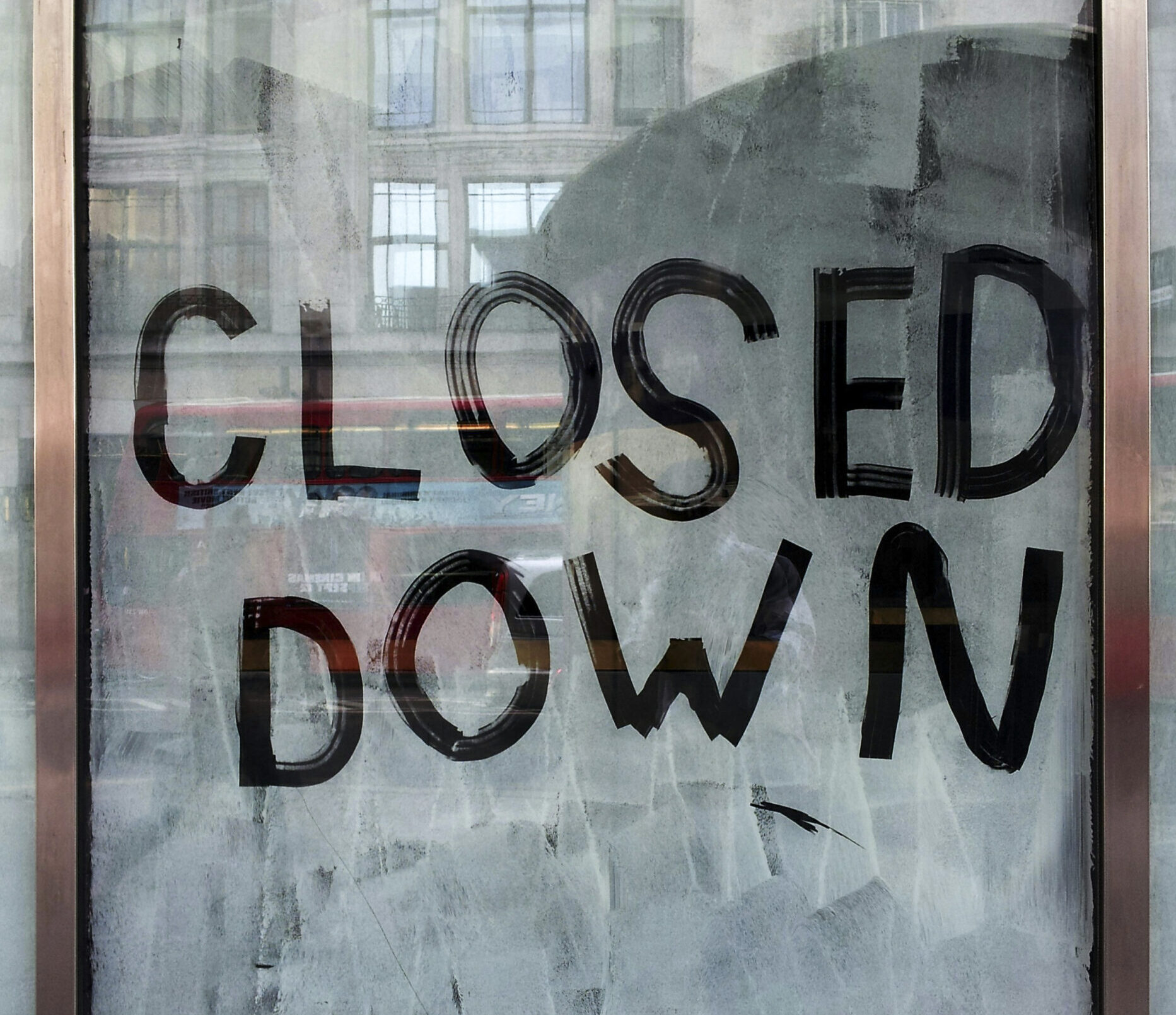
The same thing happens with places. A local cafe sits empty for years. Then one day, it announces it is closing. Suddenly, there is a line out the door. People post photos, write captions about memories, and call it iconic.
So, what changed? Not the song. Not the café. Just the fact that it’s ending.
There is something about disappearance that sharpens our attention. When we know something won’t always be there, we start to see it differently. It is no longer part of the background, it becomes something to hold onto, even if we never cared before because we start to notice the fact that things don’t really stay forever.
Psychologically, this connects to scarcity. When something feels limited, it feels more valuable. This idea goes deeper than basic supply and demand. It is not just about wanting what we can’t have, it’s about realizing, too late, what we did have.

Part of this comes from how people move through everyday life. Most things become routine. For example, listening to the same music, going to the same places, having the same interactions, and when something is constant, it fades into the background. It doesn’t demand attention, so it doesn’t receive it. Until it is about to disappear.
Then suddenly, every detail feels sharper. The lyrics hit differently. The place feels more meaningful. Even ordinary moments start to feel like memories while they are still happening.
There is also a social layer to this. When something is ending, people gather around it. They share experiences, post about it, talk about it more openly. That collective attention can make something feel more important than it ever did before. In a way, people are reacting to each other’s reactions kind of like a domino effect, but there is an uncomfortable truth in all of this. If something only feels valuable when it’s leaving, did we really value it at all?
It raises questions about how attention works. What else are we overlooking simply because it feels permanent? What moments, people, or places are quietly fading into the background because we assume they will always be there?
The irony is that most things do not disappear all at once. They fade slowly. Friendships change. Habits shift. Spaces lose their significance over time, but because the change isn’t sudden, it’s easy to ignore until it becomes final, and by then, it feels like something was lost.
Maybe the issue is not that things become more valuable when they end. Maybe it is that we only start paying attention when they do.
Stay in the loop with exclusive news, stories, and insights—delivered straight to your inbox. No fluff, just real content that matters. Sign up today!