

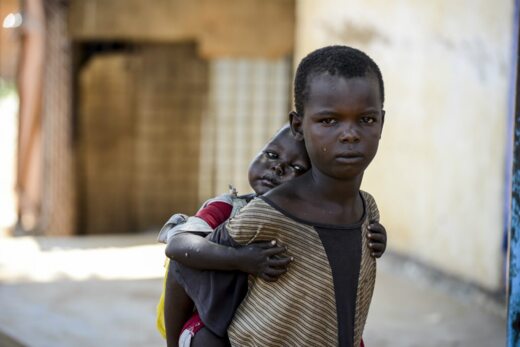

Education should never be a privilege. To know and learn should never be something out of reach, but for many kids in Sudan, this is the harsh truth.
On January 22nd, 2026, in Toronto, Save the Children released a statement that feels almost impossible to comprehend. Children in Sudan have now missed nearly 500 days of school since war broke out in April 2023. Nearly 500 days. This is more than a year of lessons, friendships, routines, and dreams placed on hold. Across Sudan, more than 8 million children, which, keep in mind, is almost half of the country’s 17 million school-aged children who have been out of the classroom for approximately 484 days. To put that into perspective, this surpasses even the severe COVID-19 school shutdowns in the Philippines, which were previously considered among the longest in the world.
Unlike during the Covid pandemic, remote learning is not a realistic option for most children in Sudan. Ongoing fighting has destroyed homes, displaced families, and damaged or closed thousands of schools. Some school buildings are now shelters for families who have fled violence. Others stand empty, unsafe, or reduced to rubble.
Inger Ashing, CEO of Save the Children International, recently traveled through parts of Sudan, visiting schools. What she heard from children was heartbreakingly simple, they all wanted to be in school.

During her visit, she met Amina, a nine-year-old girl who was forced to flee her home in Khartoum when the conflict began. Amina missed nearly a year of school. Now, she walks several kilometres alone each day to attend class. The journey can feel lonely and frightening, but she goes anyway. Why? Because she wants to learn. She loves writing in English. She loves being with her friends again. For Amina, school is not just about lessons, it is about hope for a better world.
Education in crisis settings does far more than teach math or grammar. It provides safety and structure. It protects children from exploitation, early marriage, and recruitment into armed groups. It offers stability in a world that feels unsafe.
Yet, Sudan’s education system is at risk of total collapse. Many teachers have gone months without salaries. Without funding to pay and train educators, rebuild schools, and provide basic supplies, millions of children may never return to their studies.
Save the Children has worked in Sudan since 1983 and currently supports over 400 schools across nine states, but the scale of this crisis demands far more.
Nearly 500 days without school is not just a number. It is 500 mornings without a classroom. 500 afternoons without playground laughter. 500 missed chances to learn, grow, and imagine a different future.
If the world fails to act now, an entire generation risks being defined not by opportunity, but by conflict, and children like Amina deserve so much more than that.
Stay in the loop with exclusive news, stories, and insights—delivered straight to your inbox. No fluff, just real content that matters. Sign up today!