


BY PAUL JUNOR
On Tuesday, January 28th, 2025, exciting news was announced about the collaboration between the Children’s Aid Societies and Indigenous Well-Being Agencies. The press release issued by Andrea Chrysanthou, Principal of Amplify states, “The agencies are hoping to attract caregivers from minority and Indigenous groups in particular so that they can better serve children from these diverse communities.”
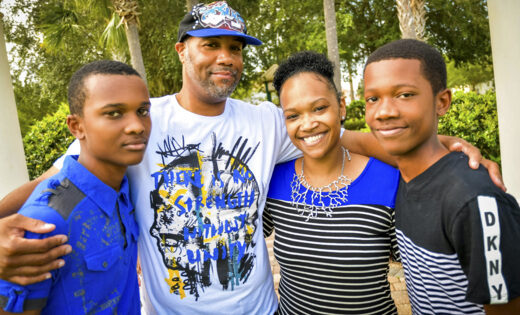
I interviewed Sean and Annasha Martin on Monday, January 27th, 2025.They are African-Canadian foster caregivers in the Durham region. They shared with me the positive benefits of being foster parents and the different levels of support that are available to them. They have been foster caregiving for seven years and currently foster three children.
I interviewed Nancy Ansong-Danquah, Chief Operating Officer at Toronto Children’s Aid Society on Monday, January 27th, 2025, regarding the “There to Care” campaign launched by the coalition group to recruit extra new foster caregivers. Members include:
- Catholic Children’s Aid Society of Toronto
- Children’s Aid Society of Toronto
- Dnaagdawenmag Binnoojiiyag Child and Family Services
- Durham Children’s Aid Society
- Jewish Family and Child Service
- Peel Children’s Aid Society
- York Region Children’s Aid Society
There is a FAQs section which answers several questions such as:
“Coalition of Children’s Aid Societies Focus on Need of New Caregivers”
1.What are the benefits of foster care?
- What help and support are available through fostering?
- How long does it take to become a foster caregiver?
- Do you need to have two adults in the home to foster?
- What kind of financial compensation do foster caregivers receive?
- Can fostering lead to adoption?
- What kind of relationship do foster caregivers have with parents/primary caregivers?
- What is the difference between foster care, kinship care, and customary care?

There were three purposes listed for the campaign. They include:
- Ontario foster caregivers play a critical role in their communities.
- Foster caregivers do more than just support children and youth.
- Finding a home that matches the unique identities and needs of children and youth is critical.
There are three specific needs identified in the campaign. They include:
- Children and youth do better when they are placed in homes that are uniquely matched and connected to their: families, communities, identities, and cultures
- There is a special need for foster homes that are inclusive and identity affirming
- There is also a special need for foster homes that can support teenagers, siblings, and those with complex needs.
Ansong-Danquah told me that there is a three-step process involved with the application
Step 1: It starts with a conversation.
Step 2: Completing the training and assessment.
Step 3: Get ongoing support.
The press release highlights the urgency of the appeal for new foster caregivers, especially from minority and Indigenous communities. There are approximately 8,200 children and youth in care in Ontario, with a high percent from Black and racialized backgrounds.
The press release highlights two specific areas with respect to:
- Areas of need: There is a significant need across the GTA for foster caregivers who can support sibling groups, older children and teens, as well as children and youth with complex needs. This includes individuals experienced in working with neurodivergent young people, or those with medical conditions
- Dispelling myths: The agencies are particularly focused on dispelling misconceptions about what it takes to be a foster caregiver. Many people may hold outdated views about foster caregivers, often imagining them as heterosexual married couples living in a home they own. However, foster caregivers can be single, common-law partners, or married, with, or without children, living in a condo, apartment or house they rent or own, and it is open to any sexual orientation and gender. It is believed that foster caregivers are needed to provide long-term, or permanent care, however foster care is always meant to be temporary with the end goal being supportive reunification of the child with its birth family.
Stay in the loop with exclusive news, stories, and insights—delivered straight to your inbox. No fluff, just real content that matters. Sign up today!