


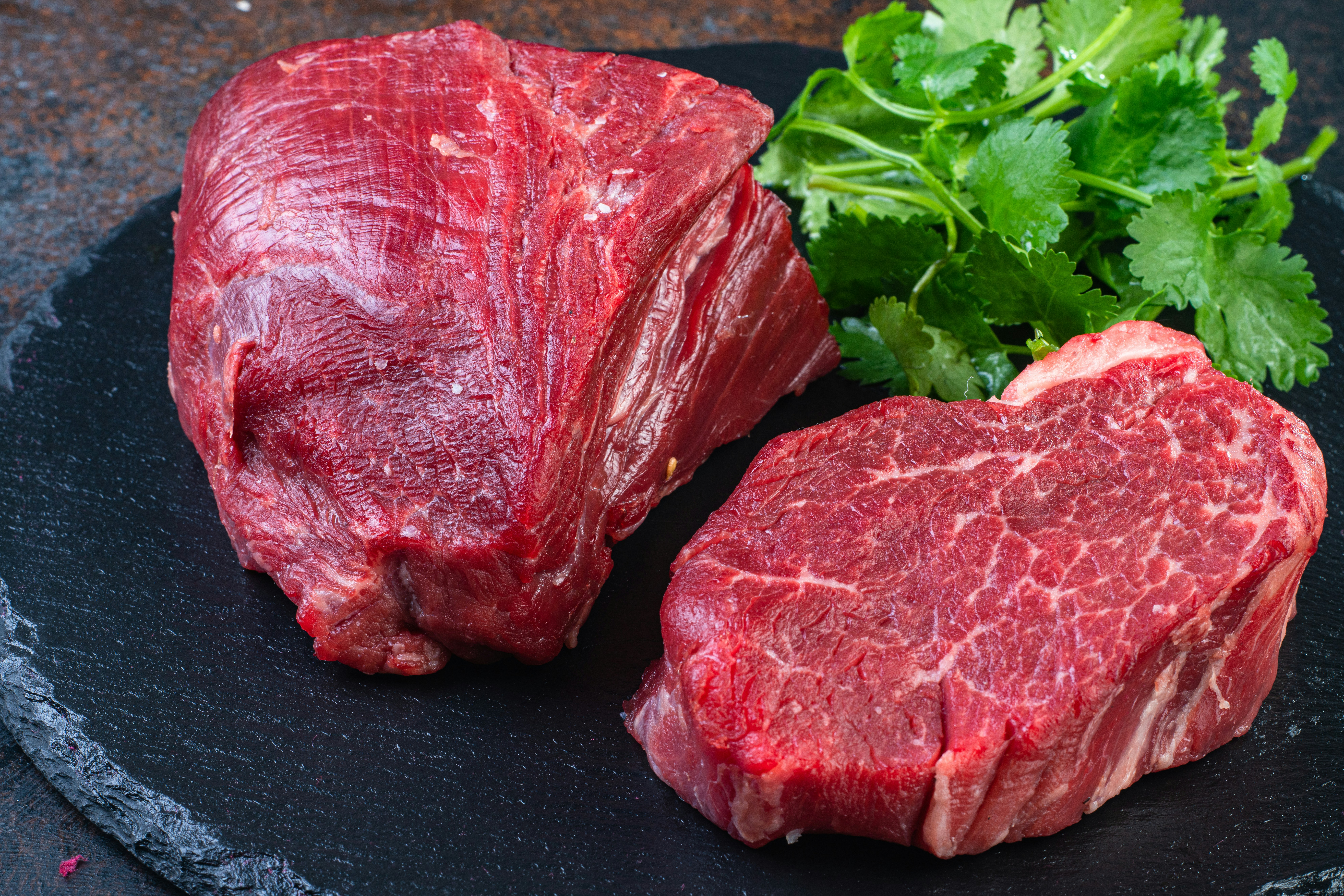

Bill Gates-backed lab-grown meat continues to gain attention as government approvals expand across the United States. Several companies developing cultivated meat have received support from major investors, including Tyson Foods, while regulators have approved limited commercial sales under federal oversight.
Supporters argue the technology could provide a more sustainable source of protein while reducing the need to slaughter animals. Critics, however, continue to question its long-term health effects, environmental impact, transparency, and consumer labelling.
What exactly is lab-grown meat?
Lab-grown, or cultivated, meat is produced by collecting animal cells and growing them inside controlled bioreactors using nutrients and growth media. The goal is to create meat that closely resembles conventional meat in taste, texture, and nutritional value without raising or slaughtering livestock.
Since 2023, the U.S. Food and Drug Administration (FDA) and the U.S. Department of Agriculture (USDA) have jointly approved limited commercial sales of certain cultivated chicken products in select restaurants. The FDA oversees the cell collection and cultivation process, while the USDA regulates processing, inspection, and labelling.
How safe is lab-grown meat?
Federal regulators maintain that approved cultivated meat products undergo extensive safety reviews before entering the marketplace. To date, regulators have not identified evidence that approved products pose an increased cancer risk.
However, because the technology is relatively new, independent long-term studies on health outcomes remain limited. This uncertainty continues to fuel debate among researchers, consumers, policymakers, and industry groups.
Federal approval versus state restrictions
Although cultivated meat has received federal approval in the United States, several states have taken a different approach. States including Alabama, Florida, Tennessee, and Nebraska have introduced laws restricting or banning the manufacture, sale, or distribution of cultivated meat products. As a result, the legal status of these products varies depending on where consumers live.
Outside the United States, Singapore became the first country to approve the commercial sale of cultivated meat in 2020.

Labelling remains a key issue
One of the most debated aspects of cultivated meat is how it should be labelled. Current regulations permit labels such as cell-cultivated protein, cultivated chicken, or plant-based alternative protein. Consumer advocates have argued that labels should clearly distinguish cultivated products from conventionally produced meat.
Some organizations have promoted legislation, including proposals similar to the Fair Labels Act, which would require more explicit labelling standards for cultivated and plant-based protein products.
Environmental and safety concerns
Researchers at the University of California, Davis have suggested that current production methods for cultivated meat may have a greater environmental impact than conventional retail beef because of the energy-intensive purification processes required for production.
The researchers concluded, “Lab-grown cultivated meat faces significant challenges, primarily high production cost, immense difficulties in scaling manufacturing, and uncertain environmental benefits.”
Researchers and critics have also identified several technical challenges that continue to be studied, including:
- Preventing contamination from bacteria such as Salmonella, coli, and Listeria during cell cultivation.
- Maintaining sterile nutrient solutions and growth media.
- Understanding the long-term effects of growth factors and other bioactive ingredients.
- Preventing contamination from production equipment.
- Reducing reliance on antibiotics during large-scale manufacturing.
- Managing waste products that accumulate inside bioreactors during extended production.
Many of these concerns relate to manufacturing challenges rather than confirmed consumer health risks, and research in these areas continues.
What about Canada?
Canada is also exploring cellular agriculture and other alternative protein technologies. Health Canada regulates these products through its novel foods’ framework, which requires companies to submit scientific evidence before products can be approved for sale.
The department has stated, “After reviewing all available information, Health Canada’s scientific opinion is that foods derived from healthy cattle and swine are as safe as those from traditionally bred animals.”
As research advances and additional products enter the marketplace, questions surrounding regulation, consumer choice, transparency, environmental sustainability, and long-term health effects are likely to remain central to the public conversation.
Stay in the loop with exclusive news, stories, and insights—delivered straight to your inbox. No fluff, just real content that matters. Sign up today!