

Editor’s Note: When we first published this report earlier this year, the dust was still settling on a rapidly moving story. Now that the initial headlines have cooled, and the real-world consequences are becoming clearer, we are bringing it back into focus.
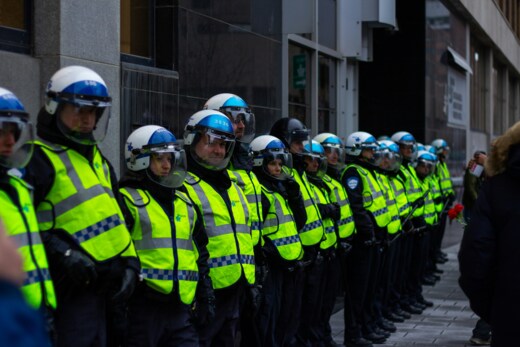
Montreal recently just announced a new package of police powers that has raised concerns from the Canadian Civil Liberties Association otherwise known as the CCLA. The changes include fines for people who insult police officers, more use of body cameras and artificial intelligence-powered license plate cameras. These changes are currently happening in Montreal, but they bring up a bigger question for Toronto: What would happen if similar rules were introduced here?
Safety is important
There is no doubt that police need tools and other rules to protect people. Police officers can find themselves in dangerous situations with almost no time to react, and body cameras could help show what happened during an interaction. However, giving police more power also means making sure that power is not misused. If Toronto ever introduced similar rules, there would need to be clear limits on what officers can do and stronger systems to make sure those limits are followed strictly.
Where is the line?
The idea of giving police the power to fine someone for insulting them is especially interesting. There is a big difference between threatening a police officer and simply saying something rude. People should not be threatening or harassing officers, but people should still be able to criticize the police. If someone could receive a fine just because an officer considered their words insulting, people might become afraid to speak their minds. This could also cause major issues during big protests, when tensions are so high.
Toronto is different
Toronto is one of the most diverse cities in Canada. People from many different backgrounds live here, and not everyone has the same experiences with police or the same view of them. New police powers could affect different communities in different ways. If Toronto brought in similar measures, city leaders would have to think carefully about how they could affect the trust between police and the people they serve.

More technology means even more questions
The use of AI surveillance also creates lots of concerns. License plate cameras can help police find vehicles and collect information quickly, but technology is not perfect at all. An AI system can make mistakes, and a mistake could lead to someone being stopped or investigated when they did nothing wrong. From there different unfortunate situations could play out, that would cause more problems in communities. Before Toronto used these kinds of systems, people should know who controls the information, how long it is kept and what happens when the technology makes a mistake.
Body cameras are not enough
Body cameras could be useful, but simply putting a camera on an officer does not automatically create accountability. There need to be rules about when cameras must be turned on, who can access the recordings and how the footage is stored. There should also be independent groups checking that the rules are actually being followed.
My view
If these measures came to Toronto, I would not automatically say that every part of the plan should be rejected. Police need ways to keep people safe, and technology can sometimes help. But giving police more power without strong rules could create new problems. Many people already have a negative view of the police, and these rules would not help with that at all. Toronto should make sure that protecting the public does not come at the cost of basic freedoms like privacy and the ability to criticize people in positions of authority. After all, we are all human just because one of us is a cop doesn’t mean they can’t be criticized.
The bigger picture
The situation in Montreal gives Toronto a chance to think ahead. The question should not simply be whether police deserve more tools. It should be whether those tools are necessary, how they will be controlled and how ordinary people will be protected from mistakes or misuse in the case that happens. A city can work toward being safer while still respecting the rights of the people who live there.
Stay in the loop with exclusive news, stories, and insights—delivered straight to your inbox. No fluff, just real content that matters. Sign up today!