

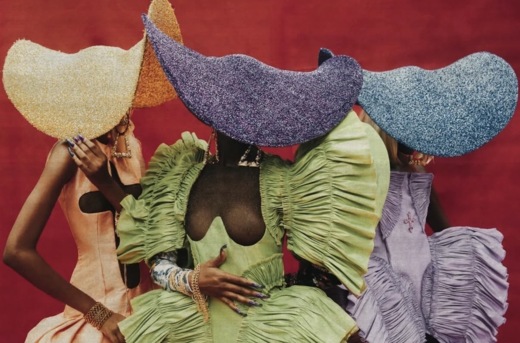

Nathan Haddad has never been particularly interested in fitting neatly into one creative box. Photographer, Graphic Designer, Creative Director, Brand Strategist, Entrepreneur, Product Developer. Each title describes a part of his career, but none quite captures the whole. “I don’t really see those things as a collection of talents,” he says. “Different problems require different tools.”
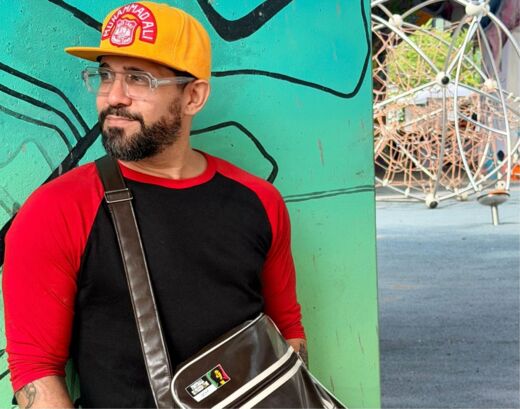
Nathan Haddan – Photo: LubicaSlovak
Born in Canada with deep Jamaican roots, Haddad began developing his creative eye early. He studied graphic design at George Brown College and the International Academy of Design in Toronto, where his training included typography, illustration, life drawing, and composition, before expanding into multimedia, 3D modelling, sound, video and coding.
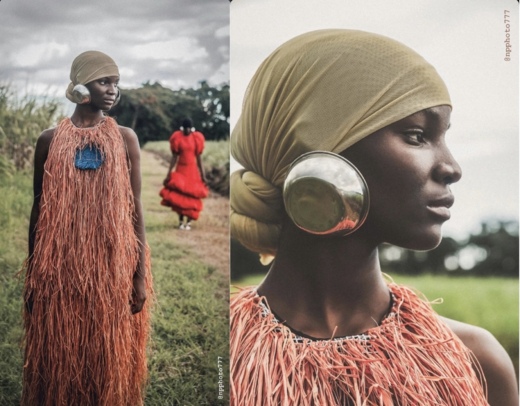
photo_@npphoto777
Photography began even earlier. He borrowed his father’s cameras as a teen and began photographing Toronto’s skateboarding scene. His first professional photography was published internationally at the age of 16. Shooting skateboarders on film became an unexpected education. With limited exposures and action unfolding in milliseconds, Haddad learned to anticipate rather than simply document. He had to recognize movement, personality and the decisive moment before it disappeared and that discipline remains visible in his photography today. Haddad describes his style as somewhere between editorial, street, and classic fashion photography. He prefers available light, composition, angles, and timing, with as little artificial intervention as possible.
“I try to capture something real,” he says. “Photography, at its best, should make you feel that you were there.”

In his twenties, Haddad moved to Australia, determined to find his own voice and test what he could build away from his comfort zone. The move became both a personal and professional education. He worked within major entertainment companies including Sony Music and Paramount Pictures, where his experience in graphics and multimedia design exposed him to the machinery behind commercial creativity. At Paramount, he helped establish the creative department for Australasia. The experience changed his understanding of creative work.
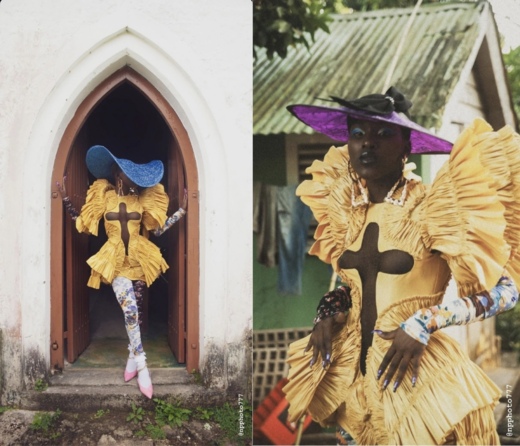
photo_@npphoto777
“Professional creativity is not simply self-expression,” he says. Behind an image or campaign are budgets, deadlines, distribution channels, marketing, and sales teams and consumers. It is a lesson particularly relevant to fashion, where talent and beautiful design are only part of building a successful brand.
Haddad’s fashion photography includes collaborations with the internationally acclaimed, Jamaican designer Francesca Lake and model Lincia Haughton, with images featured by Vogue and Platform Journal. For Haddad, the photographer’s role was to understand the work and elevate it. “Sometimes your job is to become a conduit,” he explains.
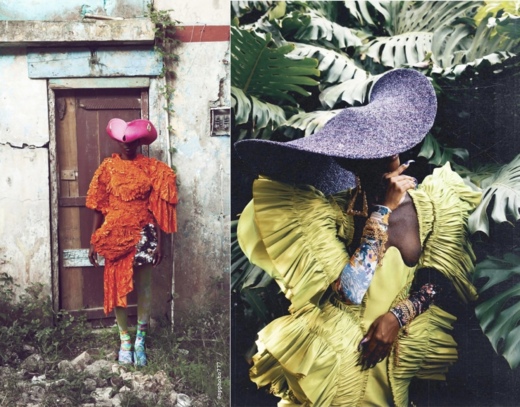
photo_@npphoto777
After years spent creating brands and communications for other companies, Haddad became increasingly interested in what existed behind the image. “Putting Jamaican colours on packaging or writing something in patois does not necessarily create an authentically Jamaican business.” He was interested in who grew the ingredients, who manufactured the product and where the profits flow. That curiosity led him to Peppatree, the Jamaican sauce and spice brand he built from the ground up. Haddad developed its positioning, visual identity, packaging, copy, formulations, product development, marketing, and broader business strategy. Peppatree became, as he describes it, “his “entrepreneurial laboratory, and a way to explore how Jamaica could convert its enormous global cultural influence into brands and intellectual property with meaningful Jamaican ownership.
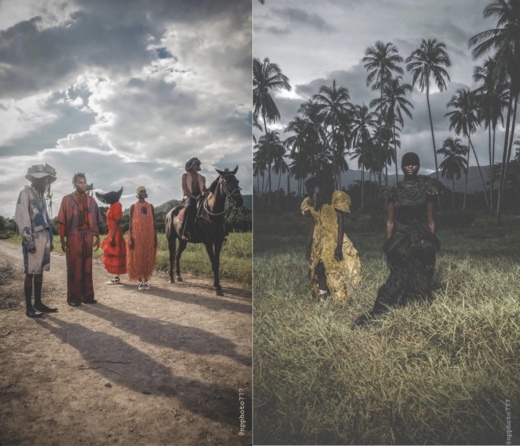
photo_@npphoto777
Today, that thinking continues through Matchbox International, which Haddad is developing as a business-performance company combining strategy, branding, product development already working with big names like the ROK Hotel and Legend Lager in Jamaica. He is also exploring how AI can expand what entrepreneurs can do without replacing the human judgment behind meaningful creative work. “I am very much interested in technology and use it extensively, but technology should amplify judgment, not replace the development of judgment.” He explains. “The next era is not going to need less humanity. I suspect it is going to need more of it.”
What is next? Peppatree 2.0 and Matchbox are entering their international chapter, while Haddad is preparing to publish a book drawing from lessons accumulated throughout his career.
Whether behind a camera, developing a product or helping build a company, he remains interested in one thing: potential.peppatrreee.com
Stay in the loop with exclusive news, stories, and insights—delivered straight to your inbox. No fluff, just real content that matters. Sign up today!