


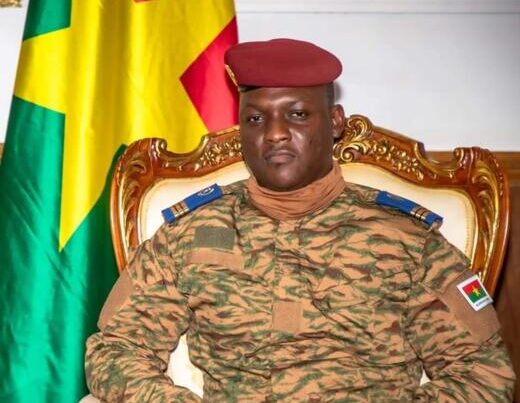

Burkina Faso has become a focal point in conversations about African sovereignty, economic independence, and resource control. Since Captain Ibrahim Traoré came to power in 2022 following a military coup, his government has introduced policies aimed at reducing foreign dependence and strengthening domestic industries.
Born in 1988, Traoré is among the world’s youngest heads of state. His leadership has attracted both support and criticism as Burkina Faso navigates political instability, security challenges, and efforts to rebuild its economy.
One of the government’s most significant economic priorities has been increasing national control over the country’s natural resources. Burkina Faso is one of Africa’s major gold producers, and Traoré’s administration has pursued policies aimed at increasing local participation in the mining sector. Supporters argue that processing more resources domestically could create jobs, increase government revenue, and allow more wealth generated from the country’s resources to remain within its borders.
“The country is transforming.”
Agriculture has also become a key area of focus. The government has promoted increased agricultural production through investments in machinery, seeds, and domestic farming initiatives. The goal is to strengthen food security and reduce reliance on imports.
Traoré has also shifted Burkina Faso’s international relationships. His government ended a long-standing military partnership with France and has sought new alliances as the country attempts to address ongoing security concerns. These changes reflect a broader regional movement among some West African governments questioning traditional relationships with former colonial powers.

For many supporters, Traoré represents a new generation of African leadership focused on self-reliance. They argue that reducing dependence on external assistance can give countries greater control over their economic decisions and development priorities.
Energy independence has also become part of Burkina Faso’s development strategy. The country has invested in renewable energy projects, including solar power initiatives, while exploring additional long-term energy solutions. Expanding domestic energy capacity could help improve electricity access, support businesses, and create employment opportunities.
However, Burkina Faso’s transformation is taking place amid significant challenges. The country continues to face security threats from extremist groups, political uncertainty, and economic pressures. Critics argue that military-led governments must also address democratic governance, human rights concerns, and long-term institutional stability.
The future of Burkina Faso’s development will depend on whether these economic initiatives can create lasting improvements for citizens. Infrastructure projects, resource management, and agricultural investments have the potential to strengthen the economy, but sustainable progress requires transparency, accountability, and inclusive decision-making.
Traoré’s leadership has sparked global debate about Africa’s future and the role of sovereignty in development. Whether viewed as a symbol of change, or a leader facing difficult challenges, Burkina Faso’s current transformation represents a significant moment in the continent’s ongoing conversation about independence, economic power, and self-determination.
Stay in the loop with exclusive news, stories, and insights—delivered straight to your inbox. No fluff, just real content that matters. Sign up today!







steven kaszab
August 10, 2026 at 10:46 am
Burkina Faso is not transforming. All the actions taken by the dictator are to gain complete control over their natural resources, whom to sell to and to allow the public officials in charge the ability to loot the national reserves, black mail the colonial agents that represent the mining concerns and take as much revenue for themselves privately, not for the nation. Its a traditional African cash grab.