



Connect with us

Subscribe

Subscribe

Junior Contributors

The psychology behind the “Add to Cart” button

“Consumption is by design and the need to fit in.”

Photo Courtesy of Shutter Speed

Fast fashion brands have now fully mastered the art of making shopping feel urgent and exciting. Companies like Shein and Zara constantly release new styles, creating the feeling that if you do not buy now, you will miss out on the next big trend. This ties into the psychological effect called fear of missing out, where people feel pressure to act quickly to avoid regret or not being welcomed. For teens, whose decision making is still developing, this urgency can cause them to make impulsive purchases.

Why trends move at lightning speed

Social media platforms like TikTok cause trends to accelerate at crazy fast speeds. A single viral video can turn an unknown outfit into a global trend overnight. Fast fashion brands track these trends and produce similar items within days, making it easy for teens to keep up. The result is a cycle where trends appear, explode, and disappear quickly, encouraging constant spending just for teens to try and stay relevant.

The illusion of cheap prices

At first glance, fast fashion seems affordable. A hoodie for twenty dollars feels like a good deal, but the hidden cost is the frequency of it. Buying many cheap items over time often adds up to more than investing in fewer, higher quality pieces. Brands rely on this mindset, encouraging quantity over quality.

Environmental consequences hidden in your closet

Fast fashion has a major environmental impact as well. Organizations like the United Nations Environment Programme report that the fashion industry contributes significantly to pollution and waste. Many clothes are worn only a few times before being thrown away, ending up in landfills. Synthetic fabrics also release microplastics into water systems. What seems like a small purchase can have long lasting environmental effects.

Taking control of your choices

Breaking the cycle does not mean quitting fashion entirely. It means being more intentional. Teens can start by questioning whether they truly need an item or are just reacting to a trend impulsively. Following creators who promote sustainable fashion or repeating outfits can shift perspectives. Understanding how brands influence behavior makes it easier to resist impulse buying and build a personal style that lasts longer than a trend cycle. Finding out how the choice of clothes can shape who you are as a person.

Newsletter Signup

Stay in the loop with exclusive news, stories, and insights—delivered straight to your inbox. No fluff, just real content that matters. Sign up today!


Written By

Click to comment

Leave a Reply

Your email address will not be published. Required fields are marked *

Trending

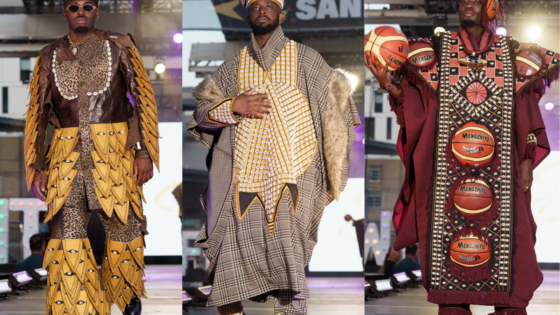
African Fashion Week Toronto: Culture, creativity & style

Fashion

Children possess an ability to see what adults sometimes miss

Youth Development

What is your personal operating system?

Personal Development

The Gordie Howe Bridge: A monument to political posturing

Politics

Advertisement
127159
Newsletter Signup

Stay in the loop with exclusive news, stories, and insights—delivered straight to your inbox. No fluff, just real content that matters. Sign up today!
Legal and Advertising Disclaimer: Advertisements, sponsored content, business listings and other promotional materials are supplied by third parties. Their publication does not constitute an endorsement, recommendation, representation, warranty or guarantee by TCN Now Inc. Advertisers and content providers are responsible for the accuracy, legality and substantiation of their claims and for obtaining all necessary copyright, trademark, privacy and other permissions. To the fullest extent permitted by law, TCN Now Inc., its directors, officers, employees, contractors and affiliates shall not be liable for any loss, damage, cost, expense or claim arising from third-party advertisements, products, services or promotional content. TCN Now Inc. reserves the right to refuse, edit, suspend or remove advertising or promotional content at its discretion. Editorial and Content Disclaimer: The opinions, commentary and viewpoints expressed in signed articles, columns, letters, guest submissions and other contributor content belong to the respective authors and do not necessarily reflect the opinions or views of TCN Now Inc., its directors, officers, employees, editors or affiliates. Content published by TCN Now Inc. is provided for general informational purposes only and is not intended as legal, financial, medical or other professional advice. While reasonable efforts are made to ensure accuracy, TCN Now Inc. does not guarantee that all information will be complete, current or free from error. To the fullest extent permitted by law, TCN Now Inc. disclaims liability for losses or claims arising from reliance upon contributor opinions, third-party submissions or general informational content. Copyright © 2026 TCN Now Inc. All rights reserved. Unless otherwise stated, the text, photographs, graphics, logos, designs and other original content appearing on this website are owned by or licensed to TCN Now Inc. and may not be copied, reproduced, republished, distributed, modified or commercially used without prior written permission, except as otherwise permitted by law. Third-party names, logos, trademarks and content remain the property of their respective owners.

Connect
Newsletter Signup

Stay in the loop with exclusive news, stories, and insights—delivered straight to your inbox. No fluff, just real content that matters. Sign up today!