

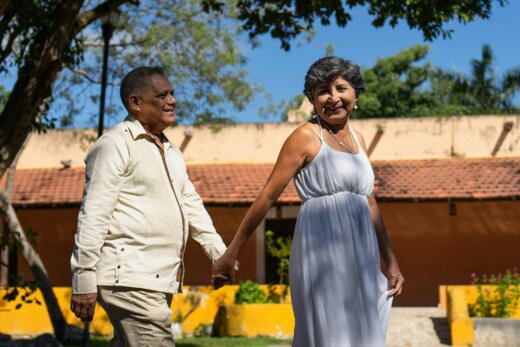

Few health problems are more discouraging than the pain of osteoarthritis. Day after day, aching knees, hips, or ankles can make simple tasks seem like major obstacles. Suffering people ask, “Should I start exercising to help my joints, or will it simply make the pain worse?”
For years, there has been a common belief that walking on an arthritic joint is like driving a worn-out car on a rough road. The fear is that every step causes more damage. Fortunately, research suggests the opposite.
One large study followed older adults who had knee osteoarthritis and found that those who walked regularly for exercise were less likely to develop new episodes of frequent knee pain than those who remained inactive. Researchers also found no evidence that walking accelerated damage to the knee joint. This is important news because osteoarthritis is already one of the leading causes of disability among older adults.
Osteoarthritis is the wear-and-tear type of arthritis. It develops when cartilage, the smooth cushion between bones, gradually deteriorates with age. As the cushioning disappears, joints become stiff, painful, and inflamed. Understandably, many sufferers feel that resting painful joints is the safest course of action.
Our bodies were designed for movement. Just as a ship tied up too long in port develops barnacles, joints that are not used become stiffer, weaker, and less functional. Muscles lose strength, balance deteriorates, and everyday activities become more difficult.

The objective of exercise for osteoarthritis treatment is not simply to reduce pain today. It is to preserve the ability to enjoy life for years to come. It is not about training for a marathon. The goal is to remain independent. Can you climb the stairs? Carry groceries? Visit friends? Travel? Enjoy a walk around the neighbourhood? These are the activities that determine quality of life as we age.
Researchers have repeatedly shown that regular physical activity helps older adults maintain mobility and independence. Walking, combined with exercises that improve strength and balance, remains one of the most effective non-drug treatments for osteoarthritis.
Of course, use your common sense too. People with severe joint damage should consult their physician, and in all cases, when beginning a new exercise program, start slowly. A ten-minute walk may be enough at first. Increase activity gradually as strength and endurance improve.
One of the biggest mistakes people make is doing too much too soon. A sore muscle after exercise may be expected. Sharp or worsening joint pain is not.
For those who find walking difficult, swimming and water exercises can be excellent alternatives. Water supports body weight while allowing joints to move through a comfortable range of motion.
There is another key point that deserves emphasis. People spend their time and money on gym memberships or physiotherapy appointments while ignoring one of the most effective treatments available. For those carrying extra pounds, weight loss is an excellent objective.
Excess body weight places tremendous stress on hips, knees, and ankles. Experts estimate that losing just one pound removes four pounds of pressure from the knee joint with every step. Imagine the benefit of losing ten or twenty pounds. As said many times before, the bathroom scale can solve a surprising number of health problems.
The bottom line? If you suffer from osteoarthritis, do not assume that sitting in a chair is protecting your joints. Benjamin Franklin was right when he said, “Motion is the best medicine.” Unfortunately, it does not come in a pill bottle, which may be why so many people overlook it.
This column offers opinions on health and wellness, not personal medical advice.
Stay in the loop with exclusive news, stories, and insights—delivered straight to your inbox. No fluff, just real content that matters. Sign up today!