

The Driftwood Community Recreation Centre in the heart of Jane and Finch was buzzing on a Saturday evening. Music pumping, a BBQ sizzling, youth playing and adults reasoning.
My 6-year-old nephew Credence leapt out of the car to lead the way towards the entrance. He was excited to bring me and his cousins Ava, Cole, Malia and Jurnee to his Breaking 4 Life class, a two-hour breakdancing session run by instructor J-Rebel, a member of the top elite breaking crew known as the Supernaturalz.
When we walked into the class, J-Rebel and four students were on the floor, everyone on the same level, discussing something that had everyone focused. We were greeted and extended a warm invite to join in, although we insisted we would only be watching.
My other nephew and nieces sat outside of the dance area, and all their eyes lit up when they heard the first song played: Nas’ 2002 hit song “I Can” from his album God’s Son. I smiled because on our way there, I played that same song for them during our car ride DJ session where everyone gets a turn choosing a song, which means they listen to my music and I listen to theirs.
I was proud that a group of children connected to the Jane-Finch community, born decades after the song was released, were rocking their bodies to it.
Photographer: Breakreate
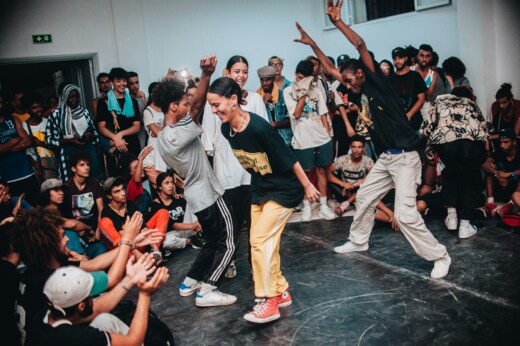
J-Rebel’s instruction was firm but gentle. At one point, he asked the children to explain a cypher to us. One child described it as a “Series of moves and dances, and sometimes you clap to the beat.” My nephew added “You make a circle, go inside and do freestyles, one person at a time, any kind of dance.” We commended their effort and J-Rebel emphasized, “As breakers we also have to be able to articulate what we do.”
We observed the cypher that concluded the class, and after a round of applause and fist bumps, I was left wondering what else my nephew was learning from this experience.
When I connected with J-Rebel, I asked him about the cypher definition moment, and he admitted the children’s answers had surprised him. They were enthusiastic, and they produced a solid definition together.
The arts and play-based educator, child and youth care worker, and longtime B-boy describes his approach to working with youth by saying, “You must speak young people’s language, which is the language of play. Dancing is play. Drawing is play. Singing is play,” he told me. “I have to literally play with the kids.”
That philosophy is the backbone of his program Breaking 4 Life, which is currently based in Jane-Finch focused on Black/African diasporic youth, and is also open to all youth who reside there and/or have been displaced from the area, ages 6 to 19.
It utilizes breaking as a vehicle for health, learning, mentorship and cultural education, although it just feels like dancing, and that is part of what works well. The fun is incorporated as the children listen to their instructor and one another, remember movements, communicate, take turns, enter a circle alone, perform while others watch, and then make room for the next breaker.
Not every child in Breaking 4 Life will become a professional breaker. Some may only take away the confidence, discipline, relationships or curiosity they developed and apply them elsewhere. J-Rebel appropriately calls the trajectory L.I.F.E. “Learning Initiatives Fostering Elevation.”

When several of the children attended a larger breaking event J-Rebel curated, he saw an epic breakthrough. Initially, he said, they froze. “They were conscious that they were being observed.” Then with encouragement, a student entered the cypher and then others were inspired to follow. He laughed when he said, “They didn’t stop dancing the whole night.”
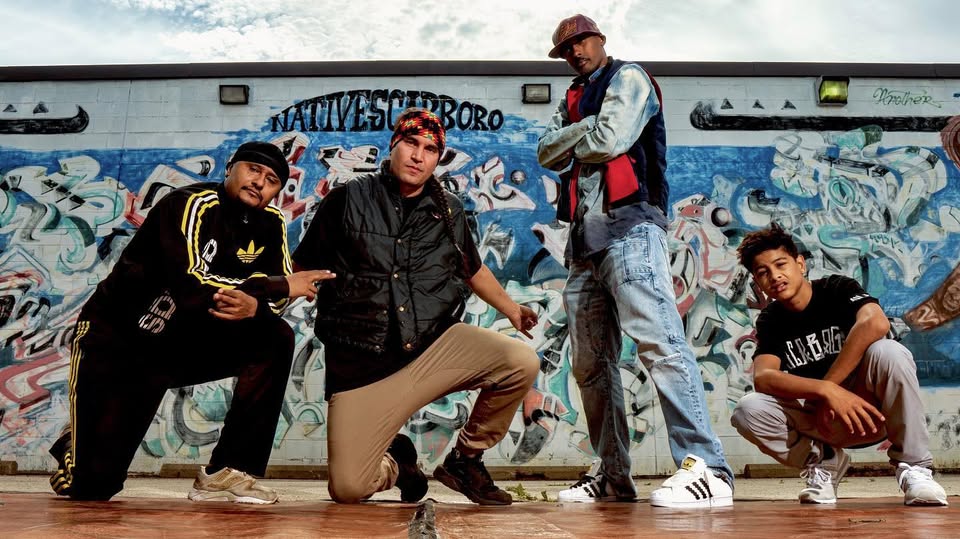
With Breaking 4 Life, J-Rebel invites the youth children to see breakdancing as something larger than the music and movements. He teaches it through its elements: Rap, Breaking, Graffiti, DJing and Knowledge, and through principles he describes as “Peace, love, unity, and having fun.”
Youth are assured that their emotions are healthy and valid. A battle can be a competition on a dance floor instead of physical violence. Frustration can be expressed through movement. Like traditional sports, breaking gives dancers an outlet to channel and release their feelings.
For J-Rebel who started at 14, breaking took him outside of his neighbourhood. He has competed internationally saying it was the first activity in which he recognized that his ability could take him beyond the city, and eventually around the world.
When I asked what breaking gave him that he now wants to give children, he didn’t just mention travel and possibilities. It also gave him family. The older boys and men around him became mentors. His crew became an extended brotherhood. Some of the people he danced with as a teenager remain in his life today. Now considered an OG, he is thinking about what it means to become that person for someone else. “I want to be the adult that supports. What I didn’t have.”
We discussed the dismissive mindset from many elders saying to “Go read a book and do something productive.” He also remembers when learning to break often meant finding a crew willing to invest time in you due to the lack of established pathways.
Today, breaking has reached some of the world’s largest stages and even educational programming. But J-Rebel is adamant that none of those institutions made breaking legitimate. “It’s always been valid because the community created it and gave it validity.”
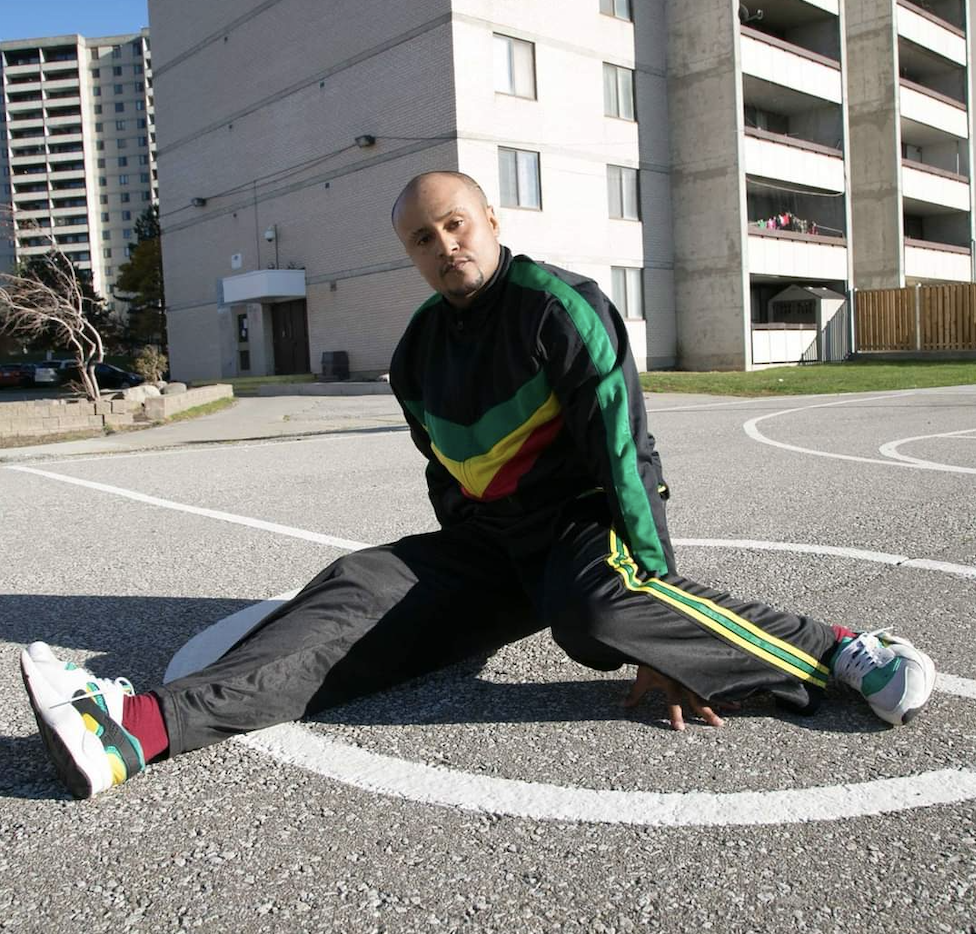
Photo Courtesy of yorku.ca
He wants more generations in that circle and intentionally brought young breakers into cyphers with people who have been part of Hip Hop culture for decades. He wants the community to see what breaking looks like at six, at 40, at 60+ because play isn’t supposed to disappear when childhood ends.
That is difficult to capture on a funding application but it is still valuable data that demonstrates why programs like Breaking 4 Life can provide a safe place for our youth.
When I asked what he could do tomorrow if access and resources weren’t obstacles, his answer started with a building to house his program. Followed by teachers. Then better training for coaches, not only to teach breaking, but to understand how children learn. He imagined more people capable of creating the kind of environment I had walked into that Saturday.
“Everything is connected in one circle,” he told me and after we spoke, I kept thinking about that Saturday cypher and how it was defined by the youth in it. Someone has to enter the circle to start it, then someone steps in to keep the energy going, and so on. In the end everybody will have danced, or at least participated in some way to sustain the energy.
With more insight into what this program is teaching my nephew, I realize the lesson is about the community forming a circle around the youth with their presence and encouraging them to dance.
What are you doing to start or sustain the circles within your community? To support J-Rebel’s programs and stay updated, follow the Breaking4Life and the Concrete Warriors 4 Instagram accounts.
Stay in the loop with exclusive news, stories, and insights—delivered straight to your inbox. No fluff, just real content that matters. Sign up today!