

Connect with us

Subscribe

Subscribe

News & Views

Single-use plastics are a threat; will Canada’s efforts take any traction globally?

BY STEVEN KASZAB

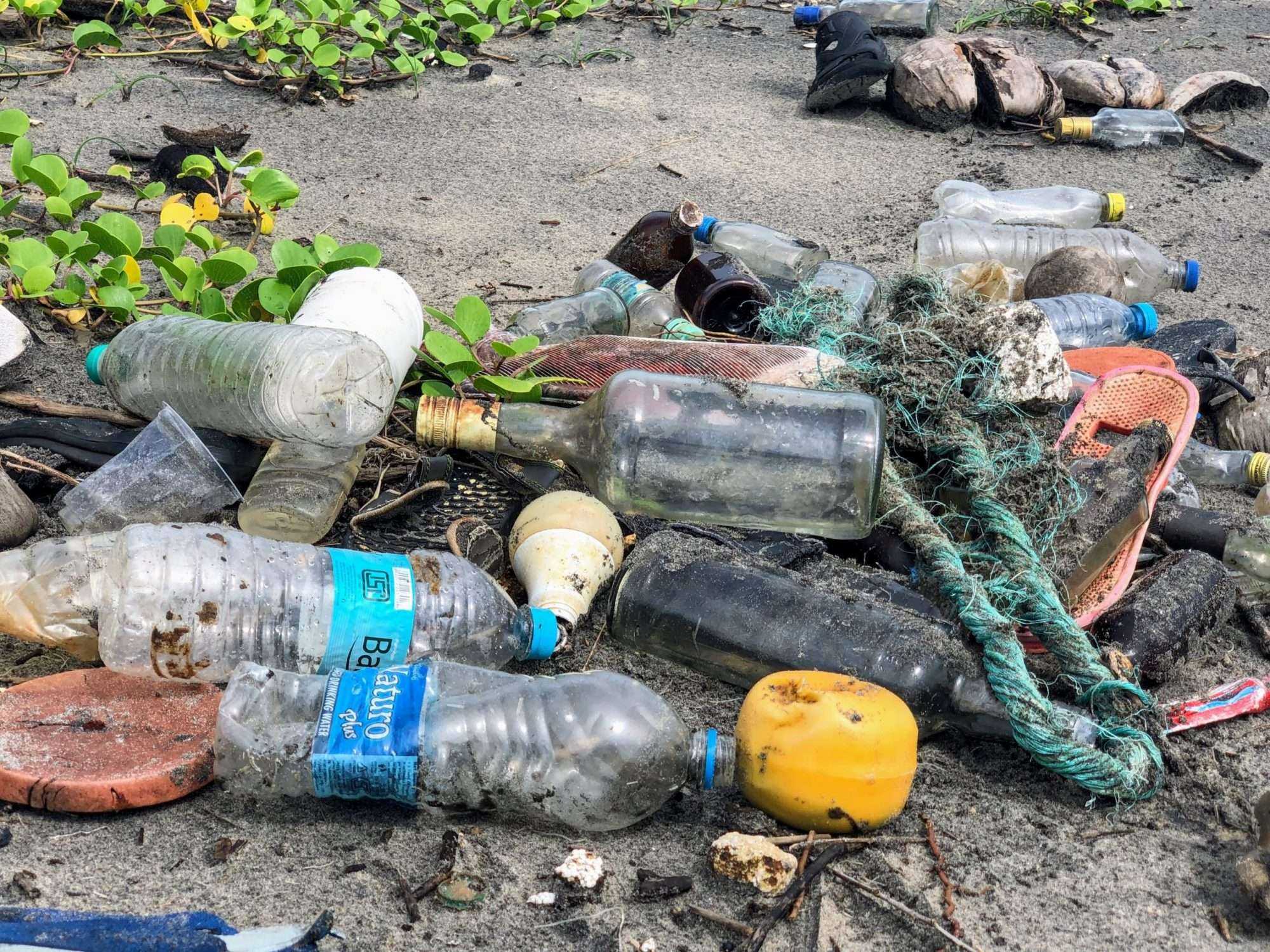
Did you know there’s a giant floating island of trash in the Pacific Ocean?  It is called The Great Pacific Ocean Garbage Patch and it is larger than the State of Texas. Discarded pieces of plastic are filling our waterways, oceans and seas and this has created an ecological disturbance we will all feel in the near future.

While Canada has officially banned single-use plastics specifically: plastic bags, straws, cutlery, stir sticks, six pack rings and some containers the spread of plastics globally has not changed, but in fact increased.

Environmentalists are hoping Canada’s ban will initiate similar political efforts globally. By 2050 there will be more plastics in our oceans than fish. Due to plastics pollution over 700 aquatic species could become extinct. Every year over a million birds die from plastic pollution, a majority having plastics in their stomachs.

Approximately 50% of plastic waste produced annually is single use. We have been recycling our garbage for many years now, yet only 10% of our plastic products are recycled, the balance goes to landfills and our waterways in those nations where land is scarce.

Micro-plastics have become so prolific that they now show up in many of our foods and the water we drink. Plastics degrade over time, breaking down and becoming part of the environment they are found in, so if in water or the soil, they leach into micro bits attaching to their new environment.

Plastics have a large imprint upon our society and the products we use daily. Did you know that most clothing manufactured today contains some form of plastic? Your phones, cooking utensils, pots and pans, tires and so on are all plastic. The manufacturers of plastic items have responded to Canada’s banning of single use plastics by sending their manufacturing facilities out of the country. Every minute one million single use plastic items end up in landfills, and it takes 500-1,000 years for these items to degrade fully.

70% of the oxygen we breathe is produced by marine sources, so we all have skin in this game. A true challenge we must all face. Will Canada’s efforts take any traction globally? While small changes make a difference, will the world react in time?

Newsletter Signup

Stay in the loop with exclusive news, stories, and insights—delivered straight to your inbox. No fluff, just real content that matters. Sign up today!


Written By

Click to comment

Leave a Reply

Your email address will not be published. Required fields are marked *

Trending

Why LGBTQ youth still hurt

News & Views

Why sleep matters more than students think

Junior Contributors

Why Hamilton’s “Precious Metals” Is the most emotionally intelligent exhibit you will experience this year

Likes & Shares

Canada’s Housing Crisis: Why supply, not foreign buyers, is the core issue

Real Estate

Advertisement
Newsletter Signup

Stay in the loop with exclusive news, stories, and insights—delivered straight to your inbox. No fluff, just real content that matters. Sign up today!

Legal and Advertising Disclaimer: Advertisements, sponsored content, business listings and other promotional materials are supplied by third parties. Their publication does not constitute an endorsement, recommendation, representation, warranty or guarantee by TCN Now Inc. Advertisers and content providers are responsible for the accuracy, legality and substantiation of their claims and for obtaining all necessary copyright, trademark, privacy and other permissions. To the fullest extent permitted by law, TCN Now Inc., its directors, officers, employees, contractors and affiliates shall not be liable for any loss, damage, cost, expense or claim arising from third-party advertisements, products, services or promotional content. TCN Now Inc. reserves the right to refuse, edit, suspend or remove advertising or promotional content at its discretion. Editorial and Content Disclaimer: The opinions, commentary and viewpoints expressed in signed articles, columns, letters, guest submissions and other contributor content belong to the respective authors and do not necessarily reflect the opinions or views of TCN Now Inc., its directors, officers, employees, editors or affiliates. Content published by TCN Now Inc. is provided for general informational purposes only and is not intended as legal, financial, medical or other professional advice. While reasonable efforts are made to ensure accuracy, TCN Now Inc. does not guarantee that all information will be complete, current or free from error. To the fullest extent permitted by law, TCN Now Inc. disclaims liability for losses or claims arising from reliance upon contributor opinions, third-party submissions or general informational content. Copyright © 2026 TCN Now Inc. All rights reserved. Unless otherwise stated, the text, photographs, graphics, logos, designs and other original content appearing on this website are owned by or licensed to TCN Now Inc. and may not be copied, reproduced, republished, distributed, modified or commercially used without prior written permission, except as otherwise permitted by law. Third-party names, logos, trademarks and content remain the property of their respective owners.

Connect
Newsletter Signup

Stay in the loop with exclusive news, stories, and insights—delivered straight to your inbox. No fluff, just real content that matters. Sign up today!