

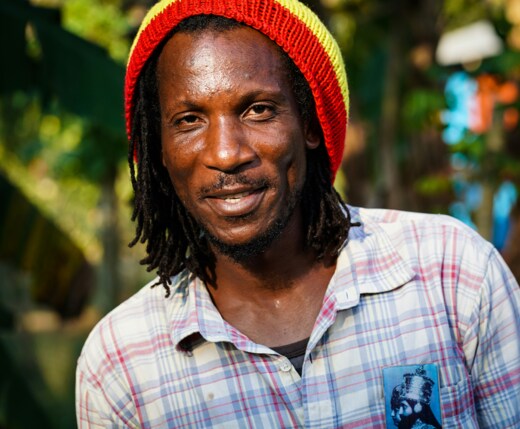

Around the world, Jamaica’s colours, music, language, and imagery travel as symbols of freedom. Rastafari communities helped carry them across borders, shaping conversations about Pan-African liberation, spirituality, and justice. Across the Caribbean, many adherents’ face exclusion in daily life, and this tension now sits at the centre of the regional human rights debate.
St. Kitts and Nevis gave that debate fresh force on March 31st, 2026, when Prime Minister Dr. Terrance Drew reaffirmed his government’s legal recognition of Rastafari as a faith-based way of life. He said Rastafari people should be recognized and granted the same rights enjoyed by other faith communities. The Rastafari Rights Recognition Act, enacted in 2023, provides for the registration of Rastafari groups and places of assembly. Government guidance released this April confirmed that registration is free, while related cannabis licensing fees have been waived through 2026.
The measure matters because legal recognition can change the material terms of citizenship. When a community has a registered place of worship and a route to religious accommodation, its members gain clearer standing with public authorities. The St. Kitts and Nevis statute also provides concessions for registered groups, including licence and property-tax relief, along with avenues to access Crown land at concessional rates. Together, they join religious freedom to livelihood, land, and public participation. They offer a practical frame for repair after generations of criminalization and marginalization.
In 2023, Antigua and Barbuda offered an early example in the region when the government issued licences to Rastafari groups to cultivate cannabis for sacred use, following Prime Minister Gaston Browne’s apology for the community’s religious persecution. Browne also said Rastafari people should share in the economic benefits of medicinal cannabis as reparations for past harm. The government has leased sugar-plantation land to the Ras Freeman Foundation, which uses the property for worship and sustainable agriculture.
Jamaica announced a form of repair this April, formally handing over land titles in Albion, St. James, to the Rastafari Coral Gardens Benevolent Society. The transfer serves as state restitution for the 1963 Coral Gardens atrocity, where police killed, tortured, and detained Rastafari people. The land offers a site for elder care and community development. The Rastafari Mansions and Organizations umbrella body has called for a comprehensive rights framework that addresses discrimination in education, policing, and health care.
The legal struggle for sacramental rights continues. On July 4th, 2026 the Barbados High Court dismissed a constitutional challenge to the country’s Sacramental Cannabis Act. The petitioner argued that restrictions on cannabis use during home-based religious ceremonies infringed on religious freedom, particularly for Rastafari women who are sometimes required to worship at home. The ruling leaves limits on religious practice in place even as the region moves toward broader cannabis decriminalization.

Economic justice has become a crucial part of the conversation, as tourism across the region incorporates Rastafari symbols and language to attract spending. The RMO says Rastafari cultivators and entrepreneurs have struggled to secure fair participation in Jamaica’s legal cannabis sector after decades of prosecution related to sacramental use. That claim raises a public-policy question: who receives the licences, land, capital, and commercial returns from an industry built partly on knowledge and practices for which Rastafari people bore historic punishment?
CARICOM has now acknowledged that regional responsibility. At the Forty-second Inter-Sessional Meeting of Heads of Government on May 8th, 2026, member states identified persistent exclusion affecting Rastafari people in education, employment, and public life. CARICOM will convene stakeholders and establish a committee with representatives from Barbados, Jamaica, St. Kitts and Nevis, Saint Vincent and the Grenadines, and Trinidad and Tobago.
As we move forward, the committee should engage Rastafari organizations as decision-makers and develop standards governments can apply in schools, public services, policing, and economic policy. St. Kitts and Nevis has shown that recognition can carry administrative and economic substance. The next regional step should secure remedies, accountability, and meaningful participation. Rastafari rights will measure the Caribbean’s commitment to human dignity long after the symbols have left the souvenir shop.
Stay in the loop with exclusive news, stories, and insights—delivered straight to your inbox. No fluff, just real content that matters. Sign up today!