

Editor’s Note: Every generation revisits the same questions from a different perspective. This archived story offers an opportunity to reflect on how our community has grown, and where important conversations still need to continue.
US Senator Martin Heinrich wrote that June 19th, should be both a solemn and celebrated day, a date North America must never forget. It was on this day in 1865 that Union soldiers entered Galveston, Texas, and declared that all enslaved people were free. This announcement came more than two years after President Abraham Lincoln issued the Emancipation Proclamation, which declared that all enslaved persons in Confederate states “Shall be then, thenceforward, and forever free.”
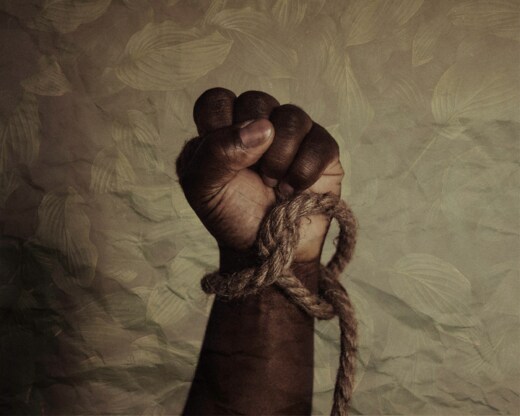
For many, freedom did not arrive as liberation in the way it is often imagined. Families had been torn from their homes and histories, and many newly freed individuals knew little of the world beyond the plantations where they had lived their entire lives. Some remained, not out of choice, but because survival options were limited. Others stepped into an unforgiving and uncertain labour market, searching for work that would pay them fairly, something long denied.
Those with access to education, however limited, sought to build new lives. Some joined the U.S. Army or law enforcement; others ventured west in search of opportunity. These early efforts reflected both resilience and the harsh reality that freedom did not guarantee equality.
June 19th, 1865, is a date we should never forget, yet too often we do. In its aftermath, the foundation of Black life in America began to take shape through the combined efforts of Black leadership and White allies. Few at the time could have foreseen the long arc toward voting rights, political representation, and civic participation that would emerge, often through struggle and sacrifice.
Some Black communities prospered, building institutions, businesses, and cultural centers. Others faced relentless and systemic barriers rooted in racism and exclusion. The psychological and generational scars of slavery (manifesting in economic hardship, addiction, and mental health challenges) continued to shape lives long after emancipation.

The Black Church became a cornerstone of survival and resistance, offering community structure and advocacy. Faith, in many cases, helped individuals endure what could be described as the paradox of freedom, liberated in law, yet constrained in practice.
The pursuit of education and equitable employment emerged as central to progress. Concepts such as equality, fair wages, and dignity in work, once denied, became rallying cries for future generations. These ideals would later define the Civil Rights Movement and continue to resonate today.
Figures such as Dr. Martin Luther King Jr. and Malcolm X, along with countless others whose names are less widely known, dedicated their lives to advancing justice and equal opportunity. Their efforts were not isolated moments in history, but part of a continuum that began long before them and continues into the present.
Juneteenth, therefore, is not only a commemoration of delayed freedom; it is a reminder of the unfinished work of equality. As North America reflects on this day, the question is not simply what happened in 1865, but what responsibilities remain in 2026.
Stay in the loop with exclusive news, stories, and insights—delivered straight to your inbox. No fluff, just real content that matters. Sign up today!