



BY SIMONE J. SMITH
“We really are facing a horrifying breakdown of our food and energy systems, and that is going to affect every man, woman and child on the entire planet.” Michael Snyder, The Washington Standard‘s
Whew!
There is a lot happening around the world, at times it can all seem overwhelming. All the while, we as Canadians are watching the hiking prices in food, gas, electricity, and most aspects of normal living. It is enough to drive anyone insane.
At this point, many of us have accepted our fate, shrugged our shoulders, and have figured out ways to budget ourselves through this time, but as a journalist, it is my job to share with you information that will help you understand exactly what is going on. Again, I warn readers, do not believe everything you see on television, or what you read on the internet.
The military-industrial complex is blaming Russia’s invasion for soaring food prices here in North America, even though inflation has been through the roof for at least the past year. It seems that there are some other causes for which the war situation is being used as cover. Even before the war erupted, some types of fertilizer had doubled in price, some had tripled in price and some had actually quadrupled in price. Why is this important you ask? Let’s take a look around the world to see how things are playing out.
For months, aid organizations have been sounding the alarm about the humanitarian situation in Afghanistan. Since August 15th, 2021, the situation has developed into one of the most serious humanitarian crises in the world. Almost 23 million people, more than half of the population, are suffering from hunger. 95% of Afghans eat too little food.
The causes of the crisis are plentiful. Decades of conflict have caused enormous damage to the economy, and since 2020 there have also been the effects of the pandemic. But since the chaotic withdrawal of the US and its allies, the economy has collapsed. Foreign donors stopped aid in the billions.

The situation has become so devastating that millions of Afghans have resorted to extreme means: they sell their children. Some families simply cannot afford to feed every child. Unfortunately, it is girl children in particular that are given away, often for a few hundred dollars. Afghanistan is sinking and dragging those most in need of protection into debilitating poverty.
In Africa alone it is being projected that enough food to feed 100 million people will not be grown this year because of the outrageous cost of fertilizer.
This conflict in Ukraine is threatening global grain production, the supply of edible oils and fertilizer exports, sending basic commodity prices rocketing and mirroring the crisis in energy markets. Energy prices are now soaring all around the world, and this is affecting logistics and food production. It is becoming prohibitively expensive for many people to heat and cool their homes.
Palm oil prices have risen by more than 50% this year, and it is the world’s most widely used vegetable oil used in the manufacture of many products including: biscuits, margarine, laundry detergents and chocolate.
Russia and Ukraine are important suppliers of edible oils as well as contributing nearly 30% of global wheat exports. Ukraine announced a couple weeks ago that it had banned a wide range of agricultural exports including barley, sugar and meat until the end of the year. Russia and Ukraine are both major producers of sunflower oil and the two countries account for almost 80% of global exports, leaving customers such as India scrambling to secure supplies of alternatives such as palm oil and soy oil.
Have you noticed that even the price of bread is going up? There is a reason for that. Just next door in Chicago, wheat futures have climbed around 60% so far this year, threatening to raise the cost of key food staples such as bread.
Serbia recently announced that it will ban exports of wheat, corn, flour and cooking oil to counter price increases while Hungary banned all grain exports last week.
Bulgaria has also announced it will increase its grain reserves and might restrict exports until it has carried out planned purchases.
Grain supplies in Romania, a major exporter, have also tightened as international buyers seek alternatives to Russia or Ukrainian supplies although there are currently no plans to restrict shipments.
How is this affecting Canadians?
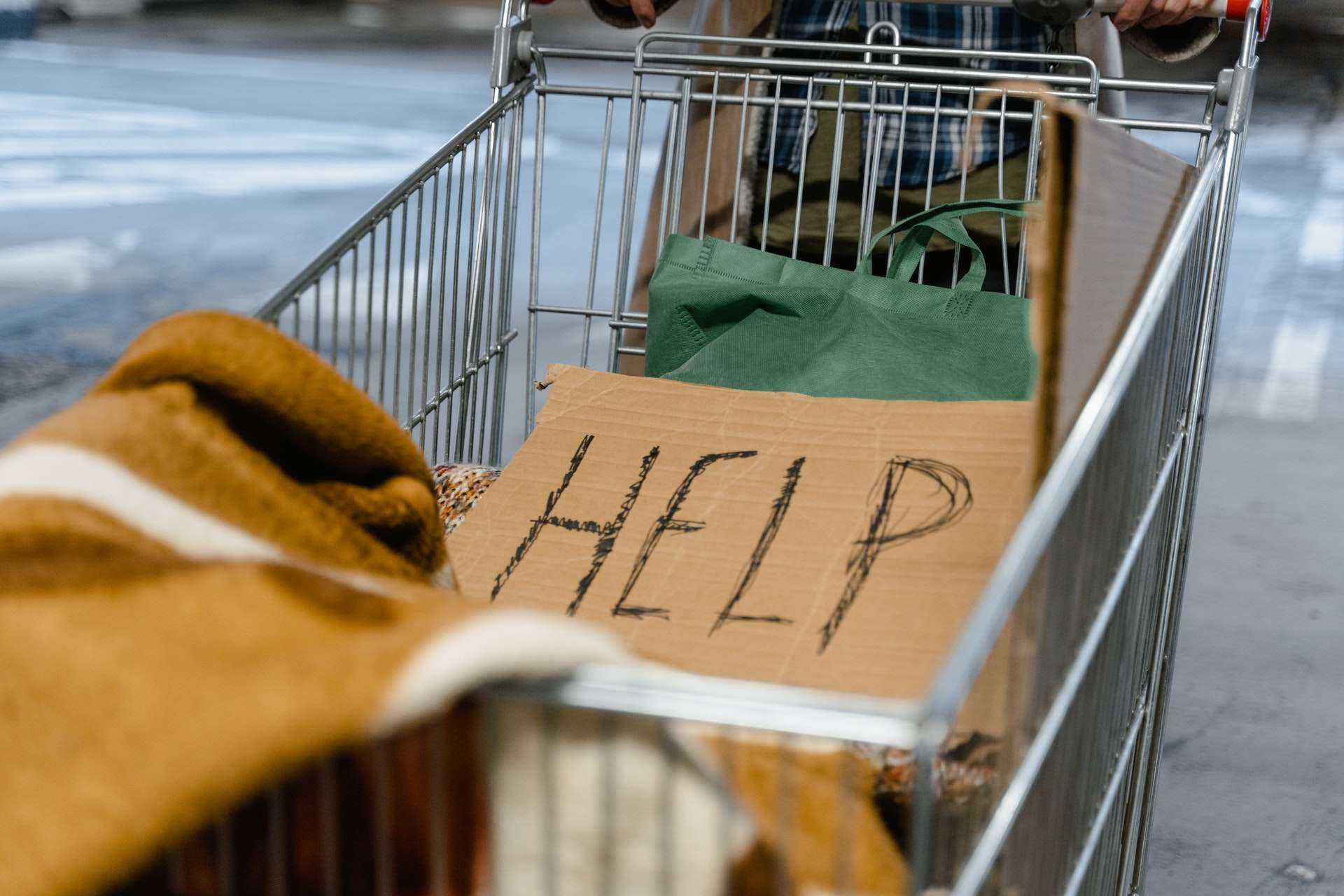
Well, research is showing that more than four million people in Canada struggle to get enough to eat, a problem that ranges from running out of food or skipping meals to compromising on quantity and quality. This societal deprivation leads to material deprivation and psychological distress, and can result in chronic inflammation and malnutrition.
“It’s like we found third-world causes in a first-world country,” lead author Fei Men, a postdoctoral fellow at the University of Toronto, told the Thomson Reuters Foundation.
“Food insecure people in Canada are facing problems like infections and drug poisoning that we would expect people from developing countries to be facing,” he said.
“The results are pretty striking to us as well. In the developed world such as Canada, food insecurity can still cause deaths.”
We are in unprecedented times, and as a community now more than ever, we have to work together, love our neighbours and help those who need us, even if you think they don’t.
Stay in the loop with exclusive news, stories, and insights—delivered straight to your inbox. No fluff, just real content that matters. Sign up today!