


Medical Assistance in Dying (MAID) is one of the most complex and emotionally charged public policies in Canada today. Designed as a compassionate response to suffering, it reflects a country attempting to balance autonomy, dignity, and care, but as the program expands, a harder question is emerging beneath the surface: Is MAID becoming too accessible, too normalized, or even quietly encouraged?
Since December 2025, reports suggest that more than 76,000 Canadians have used MAID to end their lives. The number is staggering, equivalent to a small city. While each case carries its own deeply personal context, the scale invites scrutiny. Are we witnessing compassionate care in action, or the unintended consequence of a strained healthcare system offering death where better living support may be lacking?
The eligibility criteria for MAID continues to evolve. Chronic pain, degenerative illness, and psychological suffering are increasingly part of the conversation. For some, this represents progress, recognition that suffering is not always visible or curable. For others, it raises concern about where the line is drawn, and who decides when life is no longer worth living.
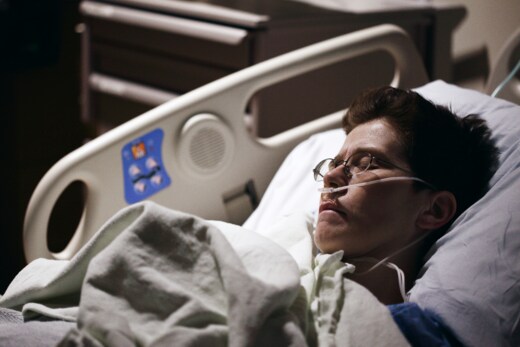
My perspective is not abstract. My mother has been in the hospital for nearly two months. She is expected to recover with time, therapy, and determination, but in those early days, her pain was overwhelming: relentless and consuming.
During that time, an unknown visitor entered her room, said little, and left behind a pamphlet about MAID. No staff member could identify who placed it there, though some had seen similar materials appear before. It was quiet, almost invisible, but powerful.
That single act planted a seed.
My mother, already vulnerable, asked me about it, just as she had months earlier when a neighbour chose assisted death. The idea lingered: an exit from pain, a release from suffering. Once introduced, it is not easily dismissed.

This is where the issue becomes deeply complicated. Information matters, but so does timing, context, and delivery. When someone is at their lowest, suggestions can feel like direction.
I am morally conflicted. I do not support ending one’s life. Yet, I also recognize the limits of my position. I am not living with chronic, unrelenting pain. I am not facing a terminal diagnosis. It is not my place to judge those who are.
Like other deeply personal decisions, this ultimately rests with the individual, but choice is only meaningful when it exists alongside real, supported alternatives: quality care, pain management, mental health support, and human connection.
Without those, choice risks becoming pressure.
There is also a broader, uncomfortable reality. End-of-life care is expensive. Seniors and patients with complex needs require significant resources. While there is no direct evidence that MAID is promoted as a cost-saving measure, the optics are difficult to ignore. When systems are strained, policies can take on unintended meanings.
This is why the conversation must remain vigilant, transparent, and human-centered. In my mother’s case, I chose to redirect the focus. We talked about the future: who she wants to see, what she still hopes to experience, what brings her meaning. We spoke about purpose, however small. About connection. About life beyond the hospital room.
Pain narrows vision. It compresses the future into something unbearable, but even in difficult circumstances, people need reasons to keep going: relationships, goals, moments of joy. We underestimate how powerful those can be.
Isolation, loneliness, and fear are as real as physical pain, and unlike illness, they are often within our power to ease, for each other. Presence matters. Conversation matters. Reminding someone they are needed, valued, and not alone matters.
MAID is not a simple policy. It sits at the intersection of ethics, medicine, and human vulnerability. It demands careful oversight, not just in regulation, but in how it is presented, discussed, and understood. How we talk about death shapes how people experience life.
Life inevitably leads to death, but how we live, and how we support others in their most fragile moments, defines the legacy we leave behind.
Stay in the loop with exclusive news, stories, and insights—delivered straight to your inbox. No fluff, just real content that matters. Sign up today!