


BY SELINA McCALLUM
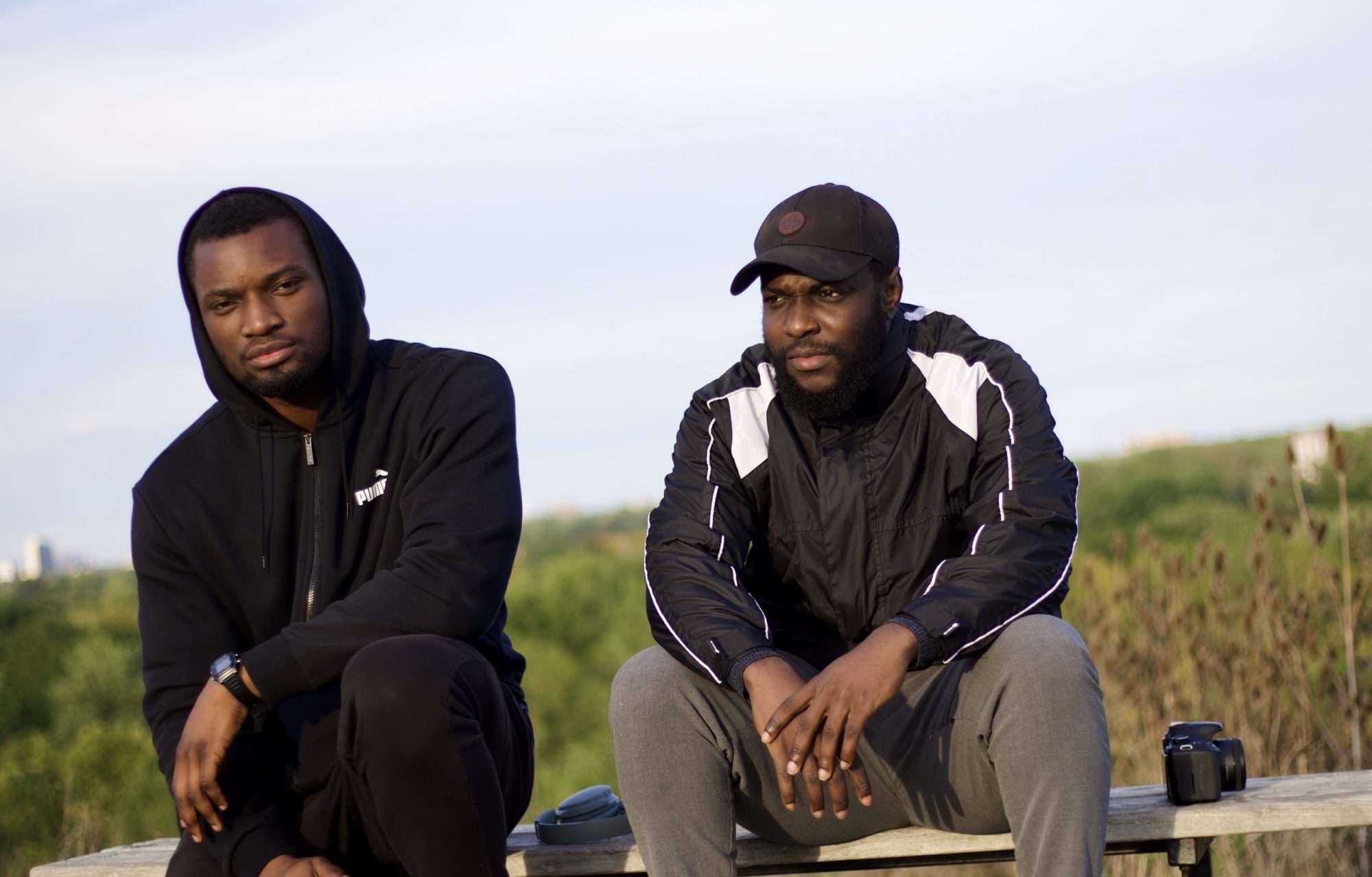
How many black men do you know that speak about their mental health openly? A short film called the Zeta Project by Soch Nwakaeze and Eben Odonkor is about a young black man who is dealing with feeling unstable mentally, and through finding ways to cope, he speaks to a friend.
Both Nwakaeze and Odonkor directed and shot the film.
“Eben was the one with the story and he came to me to discuss the idea, and from there we started collaborating. We started to talk about how we wanted to portray the movie. It took us about three months to marinate the story, and when we finally shot it, it all made sense,” said Nwakaeze.
They both met at the University of Windsor. Although they knew of each other for years, as both are extremely talented photographers, they officially met when they came together to work on the film.
“I was writing the story a while ago, and I was inspired by the events I had seen around me. Within the black community, you don’t have people who talk about mental health. There are so many avenues for people to talk about this and how we can deal with it, but it’s always shelved and hidden away,” said Odonkor.

The co-director felt that his main challenge was ensuring he was depicting the character and the story well.
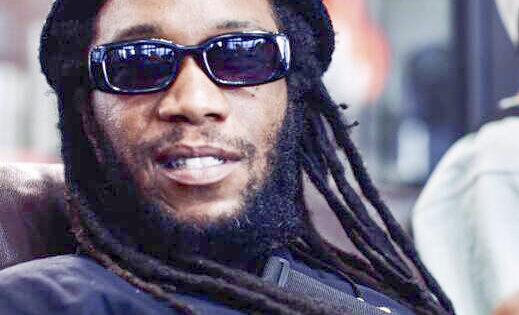
In the first few minutes, the actor, played by Brian Aether, is laying down in bed, with a gleaming purple durag on his head. He is looking up at the ceiling, his eyes watery and red. He says to his girlfriend in the room, “Have you ever felt trapped in a place where you don’t belong? You feel trapped, and you just can’t get out.”
“The main goal is to show people how they can deal with mental health,” said Odonkor.
Another goal was to destroy the stigma of how black men may look put together on the outside but may be crumbling on the inside.
“When he says that his mind and his body is in two different parts, it just indicates that you can see someone who is perfectly normal, they look fine to the naked eye, but what is going through their mind is abysmal, and something that you cannot imagine,” said Odonkor. “That was kind of the idea behind it.”
The audience is taken through the character’s pain as they see him run in the woods, reach a high look out facing the city of Detroit and yell out into the air. Then, the scene changes and he’s sitting down with another black man, played by Hassan Abdalla, in an empty space.
This is a scene that speaks volumes because it is not often, we are shown two black men, sitting down to speak and listen to one another without judgement. In this scene, we see both of the actor’s vulnerability and openness.
The co-directors want people in the black community to keep an open mind while watching the film.
“I think with this we just want to create a comfortable space around being black and talking about mental health because that’s the first step. Getting into that comfortable space will allow the individual to express themselves better. We want people to look at this film and think to themselves if they are experiencing the same things, they’ll seek help,” said Nwakaeze.
“To add to what Soch said, I think the main thing he stressed on was the denial part of it. Most black people are always in denial that someone has a mental illness. y take the route of denial or they take the spirituality route, where they say, “There’s nothing we can do, but just pray”. I think what we can achieve by promoting mental illness thought this film is that mental illness is not just a mystery,” said Odonkor. “We can find better solutions to dealing with it.”
The creative duo says this film is important now more than ever due to black men losing their jobs, feeling caged in because of the lock down, and practicing social distancing from friends and family.
“I think the concept of staying at home makes people feel boxed in and imprisoned. You can lose your mind when you don’t have the freedom to express yourself, but in this case, you’re stuck inside for a good reason,” said Odonkor.
They both suggest finding resources online, staying positive in this time, finding other creative outlets to express yourself from home and staying in touch with friends and family online.
Zeta Project will have its world premiere on Youtube on May 17th, followed by a Q and A with the co-directors on Instagram LIVE.
The filmmakers feel like they have a responsibility to shed a light on important stories coming from black characters to uplift the community.
“In the future we do plan to do things like this, that speak to the community. I think that in the black community there are so many things that we can touch on, so many things that we can change,” said Nwakaeze “We have such a rich culture and I feel we should all be at a place right now where we are winning.”
To receive updates about the film and see more of the duo’s work, follow them on Instagram @e_odonkor and @sochstar
Stay in the loop with exclusive news, stories, and insights—delivered straight to your inbox. No fluff, just real content that matters. Sign up today!