

BY SIMONE J. SMITH
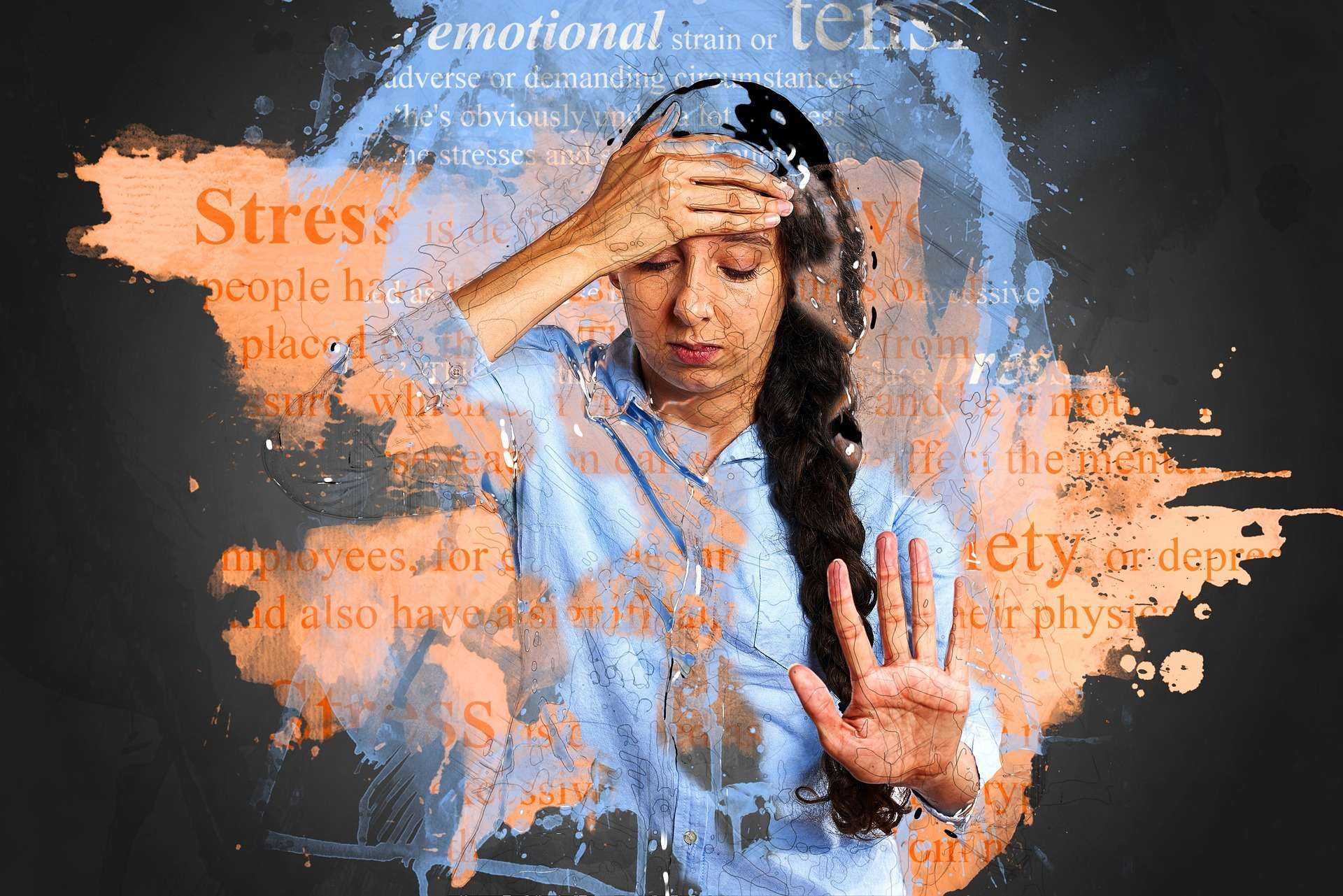
Anxiety, panic attacks, intrusive flashbacks, nightmares, mood swings, insomnia, reduced ability to cope, shame and lack of self worth, avoidance behaviour, spaced out feelings, addictive behaviours, exaggerated or diminished sexual activity, inability to love or bond with another, chronic fatigue, immune system problems, skin disorders, fibromyalgia, depression…
Do any of these situations or feelings resonate with you?
When we hear the word “trauma,” many people immediately think of abuse, neglect, assault, or some major tragedy, but trauma can be chronic and just as dangerous to your well-being. Imagine becoming tense as a police car slowly drives by, or maybe you are not receiving the help you need in class because you’ve been deemed trouble from the beginning. How about being in a toxic relationship that you return to night after night, or working in an environment where you experience micro-aggression on a daily basis? You might not see these as being traumatic situations, but over time, situations like this can take a toll on your mental health.
There are certain emotional reactions that have been set in place by our mind to help us cope with the reality of a sudden, or stressful situation: fear keeps us away from danger, anger helps us fight back against an attacker. It is quite normal to experience these types of feelings and situations occasionally, but they can cause problems if they last for a long time, or become too intense. This is where mental health challenges such as depression or anxiety can arise.
Mental health challenges are common consequences of trauma that affect people’s lives every day, and they can have negative effects on our physical health if we don’t get the support we need or see them for what they are.

Exposure to trauma can be life changing, and researchers are learning more about how traumatic events may actually physically change our brains. These changes are not happening because of a physical injury; rather our brains rewire after these experiences.
It is important to understand the mechanisms involved in these changes and how the brain learns about an environment and predicts threats and safety. This is a focus of the ZVR Lab at the Del Monte Institute for Neuroscience at the University of Rochester, led by assistant professor Benjamin Suarez- Jimenez, Ph.D.
His research, recently published in Communications Biology, identified changes in the part of the brain used for learning and survival in people exposed to trauma.
He found that just the possibility of threat could change how someone exposed to trauma reacts. Suarez-Jimenez, his fellow co-authors, and senior author Neria found patients with PTSD could complete the same task as someone without exposure to trauma when no emotion is involved. However, when emotion invoked by a threat was added to a similar task, those with PTSD had more difficulty distinguishing between the differences.
His team observed that people with PTSD had less signalling between the hippocampus (an area of the brain responsible for emotion and memory), and the salience network (a mechanism used for learning and survival). They also detected less signalling between the amygdala (another area linked to emotion) and the default mode network (an area of the brain that activates when someone is not focused on the outside world).
“This tells us that patients with PTSD have issues discriminating only when there is an emotional component. In this case, aversive; we still need to confirm if this is true for other emotions like sadness, disgust, happiness, etc.,” said Suarez-Jimenez. “So, it might be that in the real-world, emotions overload their cognitive ability to discriminate between safety, danger, or reward. It overgeneralizes towards danger.”
Examples of trauma are endless, and for People of Color — particularly Black people — the experience is almost definite and compounded. Don’t discredit what you are experiencing, seek the help you need, don’t be ashamed of what you feel, and understand that at the end of the day, you are only human; it is okay not to be okay.
Stay in the loop with exclusive news, stories, and insights—delivered straight to your inbox. No fluff, just real content that matters. Sign up today!