

Connect with us

Subscribe

Subscribe

News & Views

Accusations of abuse of Aboriginal patients found within the Canadian Mental Health system

BY STEVEN KASZAB

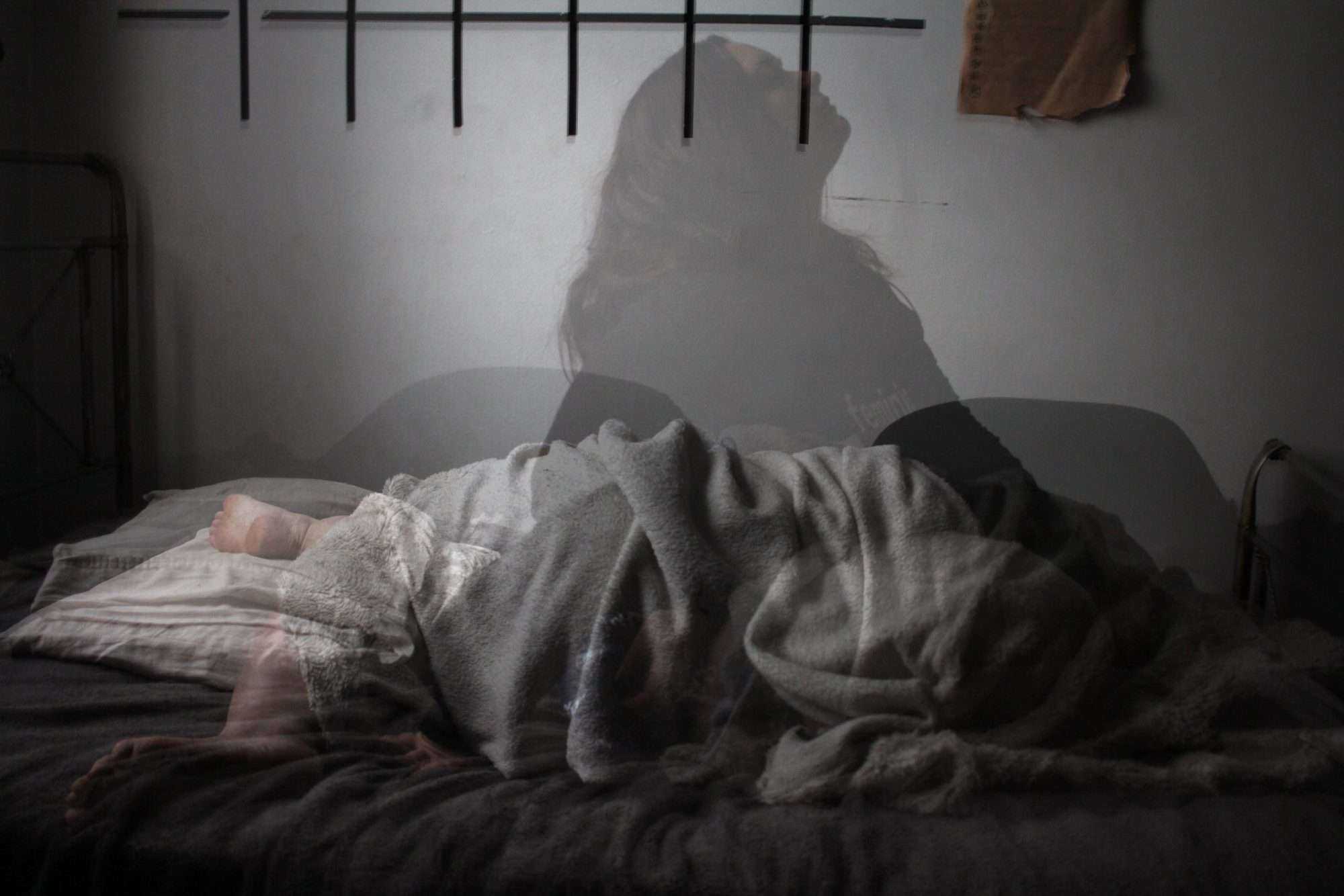
Members of the Aboriginal and 1st Nations community who require or need mental health services are often restrained and secluded at a much higher rate than the general population. Investigations have been carried out by our government’s health agency, into the accusations made by many 1st Nation community members’ families that their family members have experienced undue mistreatment at a time when they were vulnerable, in need of empathy and assistance.

Canada’s Mental Awareness Council reported that more than 7.5% of Aboriginal people admitted to Canada’s Health Facilities were subjected to seclusion, while 1st Nations make up just 3.5% of the total people admitted. Aboriginal and 1st Nations patients were also restrained 6.8% higher than the general population. There is a 14% health gap between Aboriginal and non-Aboriginal people.

This could answer the question as to why 1st Nations people might be apprehensive to seek both medical and mental health assistance. While these mental health services and acute medical units are supposed to make people feel safe, this small sector of the population actually and deliberately avoid these services for fear of potential mistreatment. Are they being harmed by and traumatized by these practices?

Aboriginal adult patients were often isolated more than once during their stays, while isolation of other patients happened less often. There is a lack of information regarding what type of seclusion or restraint was applied. Also information regarding the treatment of adult and youthful Aboriginals in the Emergency Centers (ER) was lacking. The key to understanding people’s experiences in the system is for us to have more data, and making that data easily available. This data is seemingly non-existent.

Understanding who is using the health system, how and why is essential. To understand 1st Nations patient’s relationship with “the system” requires purposeful data collection.

  • What is their relationship with the system?
  • Is a seclusion room culturally safe for 1st Nation’s patients, or other cultures?
  • Are Aboriginal Medical Centres better suited to these population groups?
  • Do healing centres need to be more complementing of their social and emotional wellbeing?
  • Does a hospital visit cause cultural and emotional trauma?

Cultural safety is a huge barrier to delivering appropriate healthcare to many. To go to a hospital/mental health centre at your greatest time of need and be: judged, secluded and possibly restrained is an experience no one should have to go through. The practice of seclusion and restraints should be used appropriately, only when necessary, and phased out of the system over time.

Newsletter Signup

Stay in the loop with exclusive news, stories, and insights—delivered straight to your inbox. No fluff, just real content that matters. Sign up today!


Written By

Click to comment

Leave a Reply

Your email address will not be published. Required fields are marked *

Trending

Why LGBTQ youth still hurt

News & Views

Why Hamilton’s “Precious Metals” Is the most emotionally intelligent exhibit you will experience this year

Likes & Shares

Why sleep matters more than students think

Junior Contributors

Canada’s Housing Crisis: Why supply, not foreign buyers, is the core issue

Real Estate

Advertisement
Newsletter Signup

Stay in the loop with exclusive news, stories, and insights—delivered straight to your inbox. No fluff, just real content that matters. Sign up today!
Legal and Advertising Disclaimer: Advertisements, sponsored content, business listings and other promotional materials are supplied by third parties. Their publication does not constitute an endorsement, recommendation, representation, warranty or guarantee by TCN Now Inc. Advertisers and content providers are responsible for the accuracy, legality and substantiation of their claims and for obtaining all necessary copyright, trademark, privacy and other permissions. To the fullest extent permitted by law, TCN Now Inc., its directors, officers, employees, contractors and affiliates shall not be liable for any loss, damage, cost, expense or claim arising from third-party advertisements, products, services or promotional content. TCN Now Inc. reserves the right to refuse, edit, suspend or remove advertising or promotional content at its discretion. Editorial and Content Disclaimer: The opinions, commentary and viewpoints expressed in signed articles, columns, letters, guest submissions and other contributor content belong to the respective authors and do not necessarily reflect the opinions or views of TCN Now Inc., its directors, officers, employees, editors or affiliates. Content published by TCN Now Inc. is provided for general informational purposes only and is not intended as legal, financial, medical or other professional advice. While reasonable efforts are made to ensure accuracy, TCN Now Inc. does not guarantee that all information will be complete, current or free from error. To the fullest extent permitted by law, TCN Now Inc. disclaims liability for losses or claims arising from reliance upon contributor opinions, third-party submissions or general informational content. Copyright © 2026 TCN Now Inc. All rights reserved. Unless otherwise stated, the text, photographs, graphics, logos, designs and other original content appearing on this website are owned by or licensed to TCN Now Inc. and may not be copied, reproduced, republished, distributed, modified or commercially used without prior written permission, except as otherwise permitted by law. Third-party names, logos, trademarks and content remain the property of their respective owners.

Connect
Newsletter Signup

Stay in the loop with exclusive news, stories, and insights—delivered straight to your inbox. No fluff, just real content that matters. Sign up today!