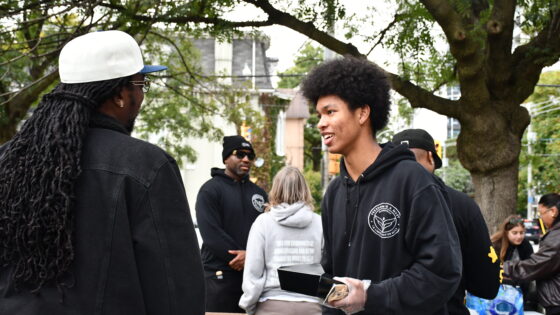

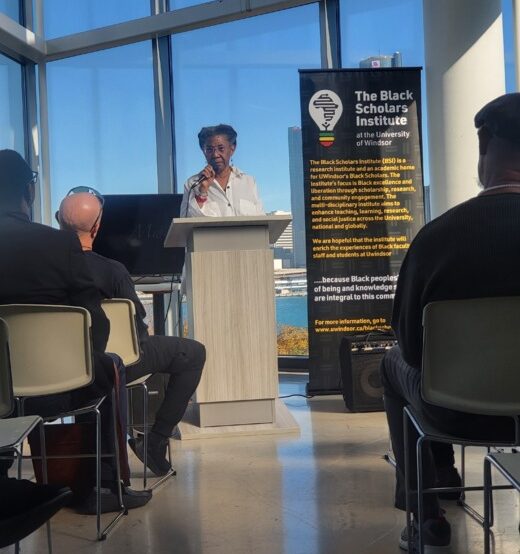

Along the banks of the Detroit River, where water carries memories of freedom seekers who crossed into Windsor at a historic terminus of the Underground Railroad, a transformative intellectual movement is taking root. From October 23rd to 25th, 2026, the University of Windsor’s Black Scholars Institute (BSI) hosted Futuring Black Thriving: Black Activism in a Border City, a landmark three-day symposium designed to turn university spaces, art galleries, and community halls into living classrooms open to all.
Under the leadership of BSI Director Dr. Camisha Sibblis, this gathering articulated a vital truth: African/Caribbean thriving is not merely about surviving historical and present-day structural barriers, but about generating original knowledge, preserving cultural memory, challenging established institutions, and boldly imagining liberated futures.
Established by the University of Windsor Senate on October 7th, 2022, and aligned with the national commitments of the Scarborough Charter on Anti-Black Racism and Black Inclusion, the Black Scholars Institute represents a dedicated hub for research excellence, mentorship, and diasporic connection. By recruiting transformative scholars, developing an interdisciplinary Black Studies program, and fostering collaboration between faculty, students, and broader border-city communities, the Institute is establishing Windsor as a major centre of intellectual innovation.
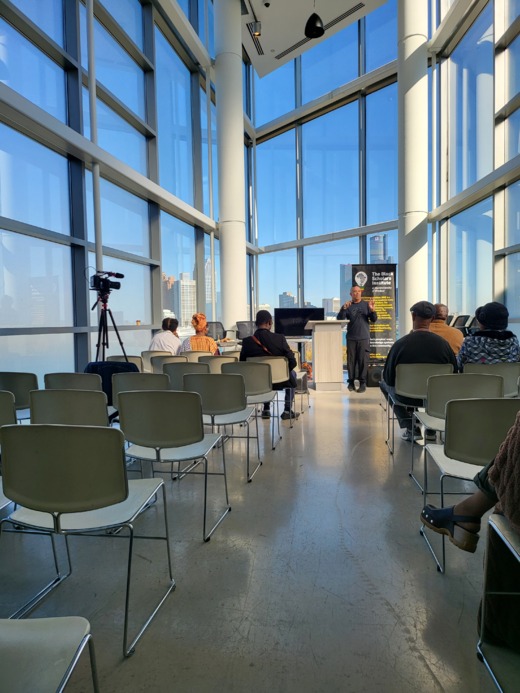
For University of Windsor alumni, the BSI offers profound reasons for pride, demonstrating how their alma mater elevates African/Caribbean leadership and nurtures a space where African ways of knowing, scholarship, and belonging actively flourish.
The symposium’s three-day experience guided attendees through a connected, interdisciplinary exploration of African liberation. The journey commenced on Friday evening at the Windsor Essex Caribbean Association with Embodied Activism and the Geographies of Black Refusal. A compelling dialogue featured renowned thinkers Katherine McKittrick, Robyn Maynard, and M. NourbeSe Philip exploring African feminist thought, African Canadian studies, transnational activism, policing, and plantation continuities.
Commemorating the centenaries of revolutionary figures Frantz Fanon, Malcolm X, and Patrice Lumumba, the evening bridged rigorous scholarship with vibrant cultural celebration. The opening night culminated in an unforgettable live performance and interview with Jamaican Canadian reggae icon Leroy Sibbles, whose foundational basslines rooted the theoretical discussions in living musical heritage.

Saturday shifted the landscape to Art Windsor-Essex for Artivism, Movement(s) and Law. Opening with a keynote performance of Zong! by M. NourbeSe Philip, the day confronted how legal regimes and racial capitalism historically commodified Black life, echoing political contestations that demand contemporary institutional transformation.
Panels addressed the juridical afterlives of colonial violence and the ongoing racial governance of Caribbean farmworkers with Justicia for Migrant Workers, while showcase performances by local artists Teajai Travis and Chidera Ikewibe demonstrated the power of creative expression. Concurrently, interdisciplinary discussions on architecture, public health, and environmental geonomics highlighted how African scholars are actively reframing public policy, urban space, and community health.
The series concluded on Sunday at the School of Creative Arts (Armouries) with a focus on Black Politics, Economy, and Health. Dr. Robyn Maynard presented a keynote book launch for the second edition of Policing Black Lives: State Violence in Canada from Slavery to the Present, contextualizing state violence and abolitionist possibilities. This was followed by a dynamic panel of University of Windsor scholars examining local activism, collective memory, and spatial politics.
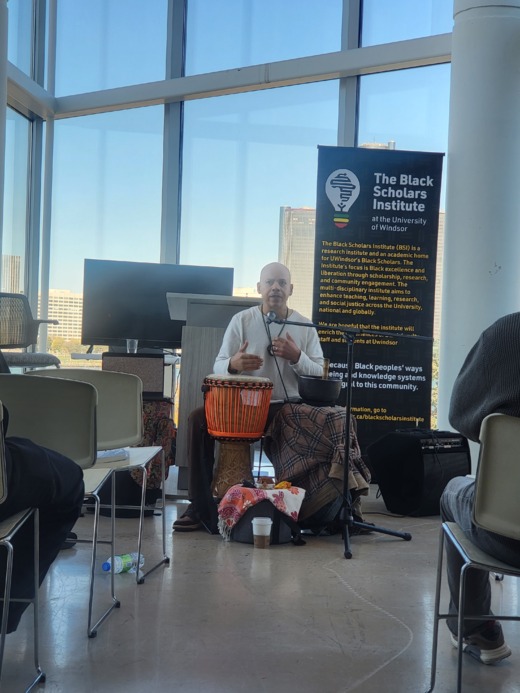
Across all three days, the symposium demonstrated how African intellectual leadership links regional histories with global diasporic conversations across Canada, the Caribbean, and Latin America.
As this introductory article kicks off our three-part editorial series detailing each day of the gathering, the Black Scholars Institute stands as an indispensable asset to the University of Windsor and the surrounding region. Sustaining this momentum requires enduring commitment. Alumni, researchers, community partners, and students are invited to engage directly with the Institute’s mission through mentorship, scholarly collaboration, community advocacy, and financial support. By investing in the BSI, supporters ensure that Black scholarship continues to lead public dialogue and inspire future generations.
We invite you to follow our upcoming feature installments, explore the Institute’s initiatives, and join in advancing Black thriving in Windsor and beyond
Stay in the loop with exclusive news, stories, and insights—delivered straight to your inbox. No fluff, just real content that matters. Sign up today!