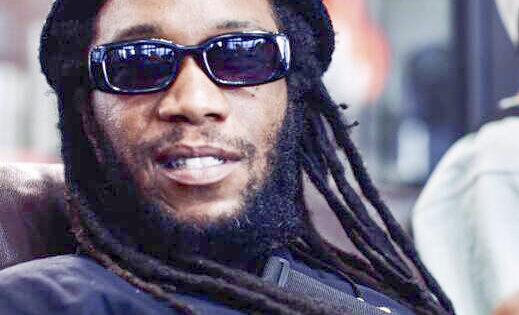




He does not call it abuse. He calls it stress. A rough patch. A misunderstanding that got out of hand, but every morning, he wakes up already tired from watching. Watching her tone. Her mood. The way a sentence might turn sharp without warning. He replays conversations in his head while brushing his teeth. He edits himself before speaking. He shrinks, just enough, to keep the peace.
This is what abuse can look like when no one is looking.
An abused man often lives in a constant state of alertness, always scanning for what might go wrong next. Over time, that pressure settles into the body. It shows up as: anxiety, insomnia, irritability, or a quiet emotional numbness that feels like disappearing from your own life (Centre for Addiction and Mental Health, CAMH).
The deepest damage is harder to name. It is the slow erosion of identity. When abuse is emotional or psychological, it rewrites reality. A man begins to doubt his memory. His judgment. His worth. He asks himself questions that would have once felt absurd: “Was that my fault?” “Am I overreacting?” “Is this just what relationships are?” (Udada), and then comes the silence.
Many men are taught early that vulnerability is weakness. For men, that pressure is compounded. Expressing pain can carry social risk: being labeled aggressive, unstable, or difficult. So, emotions are managed, suppressed, buried (SAGE Journals).
That silence is not indifference. Speaking up can cost something. Men fear not being believed. They fear ridicule. They fear losing access to their children, damaging their immigration status, or being told outright that men cannot be victims. In that environment, silence feels safer than exposure (Government of Canada Publications), but silence has a cost. It allows abuse to deepen, and to hide.
Not all abuse is physical. In fact, some of the most damaging forms leave no visible trace. Coercive control. Financial pressure. Isolation from friends and family. Public humiliation. Threats tied to reputation, parenting, or legal status. These tactics are often misunderstood or dismissed, which delays recognition, and help (Udada).

- You might recognize it in subtle shifts:
A man who stops showing up.
A colleague whose confidence suddenly drops.
A friend who drinks more, speaks less, and laughs differently.
What looks like withdrawal is often survival. So, what changes this? It starts with belief. When a man says he is being hurt, the response he receives in that moment can determine whether he ever speaks again. Dismissing it as a joke (or minimizing it) reinforces the very silence that trapped him, but a simple, steady response, “I believe you,” can interrupt that cycle. From there, support must be practical, not performative.
- Trauma-informed counseling that does not shame masculinity.
- Culturally competent services that understand the lived realities of Black and immigrant men.
- Safe housing for those who cannot safely leave.
- Legal guidance where custody, immigration, or protection orders are at stake.
These supports do exist. In Canada, public directories and municipal resources (including Calgary’s domestic violence services) acknowledge men as survivors and point to crisis support, including spaces specifically for men of African descent (City of Calgary).
Systems alone are not enough. Culture has to shift. In many communities, masculinity is still defined by endurance, how much a man can carry without breaking, but what if strength was redefined as self-protection? As honesty? As the ability to say, “This is harming me, and I will not stay silent?”
That shift does not start in institutions. It starts in trusted spaces: barbershops, churches, community groups, diaspora networks, where men already speak, just not always about this, because the truth is, many abused men are trapped between trauma and silence, and the silence itself becomes part of the injury.
For many abused men, the first wound is the abuse; the second is being told they should have been strong enough to endure it alone.
Stay in the loop with exclusive news, stories, and insights—delivered straight to your inbox. No fluff, just real content that matters. Sign up today!