

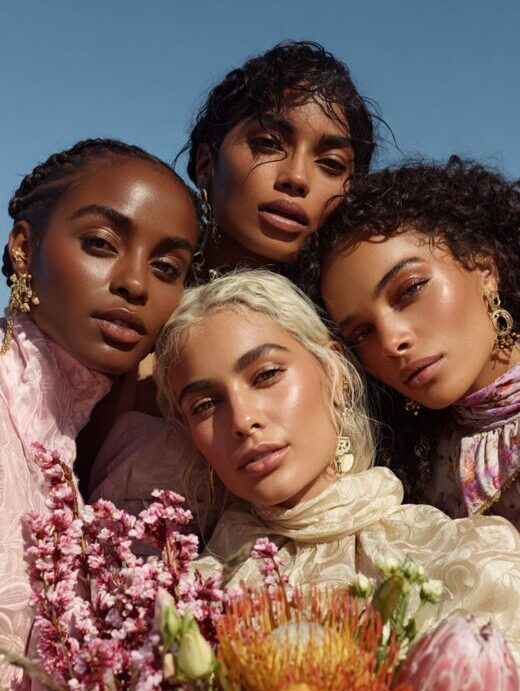

Women’s rights have always been a collective cause, not a narrow “What about me” movement. At their core, these struggles were never solely about individual advancement, but about opening doors for others. When one woman becomes a minister, a CEO, or a leader in her field, she extends the possibility to those who follow. That progress (hard-won and often resisted) has reshaped sport, business, and government. It also raises a sharper question: what drives that ambition today, and what responsibility comes with it?
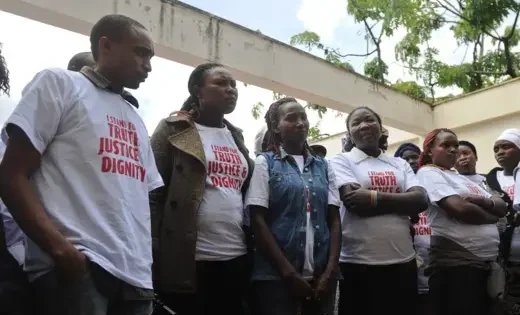
Historically, women fought for both personal dignity and shared progress. The Women’s Liberation Movement was defined by visible, often disruptive action: marches, protests, and public defiance of deeply rooted conservatism. Its energy was unmistakable. Its purpose was collective. Today, that urgency feels less visible in many parts of the Western world. Gains have been made, but the question lingers: has comfort replaced momentum?
Some argue that progress has bred complacency. Many women in wealthier nations now pursue advancement within existing systems rather than challenging them outright. That shift is not inherently wrong, but it can dilute the sense of shared struggle that once unified the movement. The fight has simply changed form. Whether that evolution strengthens or weakens the cause depends on how consciously it is carried forward.
Beyond the West, the reality is far starker. In many regions, women continue to face systemic violence, exploitation, and denial of basic rights. Practices such as forced marriage, dowry-related violence, and human trafficking persist. These are entrenched issues that demand global attention. It is important, however, to avoid sweeping generalizations across countries or cultures; conditions vary widely, and local activists (many of them women) are already leading critical efforts for change.
Migration adds another layer of complexity. Cultural norms do not disappear at borders. In diasporic communities, traditional gender roles can persist, sometimes clashing with the legal and social frameworks of their new environments. While many men actively support gender equality, others resist it, reinforcing power imbalances within families and communities. These tensions highlight that legal equality does not automatically translate into lived equality.

Despite progress, women still face barriers to economic and political power. Leadership structures remain disproportionately male, and advancement often requires navigating institutions not designed with women in mind. Change from within is necessary, but it is also slow. This raises a critical tension: is systemic change best achieved by working inside existing structures, or by challenging them more forcefully from the outside?
The legacy of activism suggests both approaches matter. Collective action has historically accelerated change, while institutional presence helps sustain it. The question is not whether women should return to the streets, but whether the movement can reclaim its sense of shared urgency and purpose.
The words of Malala Yousafzai still resonate: “If one man can destroy everything, why can’t one girl change it.” Her statement captures both the fragility of progress, and the power of individual action multiplied. One voice can ignite change; thousands can transform systems.
Modern advocates continue to redefine feminism in ways that emphasize empowerment and equity. Annie Lennox has framed it simply, “It’s not about being more powerful than men, it’s about equal rights with protection, support and justice.” That clarity matters. Women are not seeking dominance, but autonomy, the ability to shape their own lives and futures.
The movement’s next chapter depends on whether that vision remains collective. Progress is not a finish line; it is a responsibility carried forward. The question is not whether women still have something to fight for. It is whether the fight will once again feel shared.
Stay in the loop with exclusive news, stories, and insights—delivered straight to your inbox. No fluff, just real content that matters. Sign up today!