


Winston Churchill once said, “Nature has not intended mankind to work from eight in the morning until midnight without that refreshment of blessed oblivion.” He was justifying his habit of an afternoon nap, a practice he said that gave him “Two days in one.”
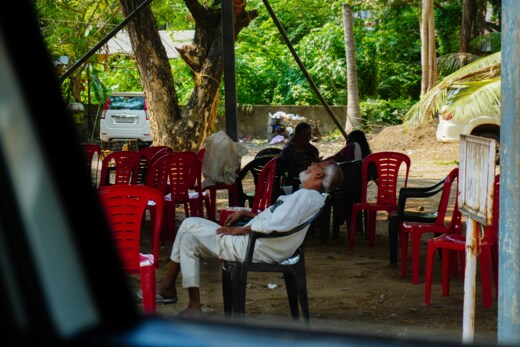
Many hot climates around the world have embedded some form of shuteye during the midday heat. Spain and Mexico’s siesta. Italy’s riposo. Greece has quiet hours. In China, the midday sleep is widely accepted. The Japanese have the practice of inemuri, literally being present while sleeping. Dozing off is seen as evidence of demanding work, not laziness.
In North America, napping has an image problem. The adulation we have for snoozing babies and toddler’s turns to scorn when teenagers put their feet up. Office workers risk being fired if they put their heads down. Good luck finding a spot in school and college settings where students can have a safe snooze. There is a widespread conviction that we need to power through the day, and that doing so is the definition of industrious.
Churchill thought differently, and he was not alone. Leonardo da Vinci slept in short bursts throughout the day. John F. Kennedy was known to retreat for a brief afternoon sleep. Albert Einstein slept about ten hours at night and still enjoyed daytime naps. They were hardly lazy men.
Researchers in Japan showed that even a short daytime nap measurably improves alertness, mental performance, and fatigue. Waking at just the right point in the nap reduced the grogginess many people complain about after sleeping too long.
European researchers studying older adults in both China and Europe found napping was not good or bad. Like Goldilocks, it seemed to be “just right” when it was neither too short nor too long. Moderate naps were associated with better cognitive performance, while marathon afternoon snoozes offered no reward.
Neuroscience can explain it. The brain is like a busy office. All morning, papers pile up, phones ring, and sticky notes cover every surface. A short nap is the cleaning crew. Memories are sorted. Unimportant information is discarded. New learning is filed where it can be found later. Meanwhile, stress hormones decline, and the nervous system shifts into a more restorative gear. That is one reason people often wake feeling clearer, calmer, and more creative.

The sweet spot is about 20 to 30 minutes in the early afternoon. That is long enough to recharge without descending into deep sleep, where waking can leave you feeling as though you have been hit by a truck instead of refreshed.
Of course, there is an important caveat. If you are routinely sleeping for hours every afternoon, because you are exhausted, that is another matter. Long or frequent naps can sometimes signal poor nighttime sleep, sleep apnea, medication effects, or underlying illness rather than helpful restoration. In health and sickness, context always matters.
I will admit that a nap still feels like an indulgence. It even feels wrong to relax when many people around the world are lurching from one crisis to the next. It is hard to settle in for forty winks knowing so many people are worrying about war, paying the rent, or simply getting through another day. I would enjoy a midday snooze more if I knew everyone had the same carefree opportunity.
Guilt has never been a substitute for sleep, and the evidence is clear: a short afternoon nap is one of the healthiest habits many people forego. We all should do it more.
So, if anyone accuses you of laziness, simply tell them you are following the latest international research. Then nodded off in the recliner.
This column offers opinions on health and wellness, not personal medical advice.
Stay in the loop with exclusive news, stories, and insights—delivered straight to your inbox. No fluff, just real content that matters. Sign up today!