Likes & Shares
Mayor Olivia Chow Caps Your Commute
“After ten taps, the city rides with you.”

You already know what it feels like to watch the fare machine eat another $3.30 while the rent notice sits on the counter and the grocery bill keeps climbing. You know the quiet math you do every Monday morning: how many times can I afford to leave the house this week? That math is exhausting.
Mayor Olivia Chow just rewrote it.
Starting under her plan, once you take ten paid TTC trips in a week, every ride after that costs nothing. Ten and free. No monthly pass to buy up front. No calculating whether you will hit some distant threshold. Just tap the same PRESTO, debit, or credit card you already use. The system counts. After the tenth trip, the rest of the week is on the city.

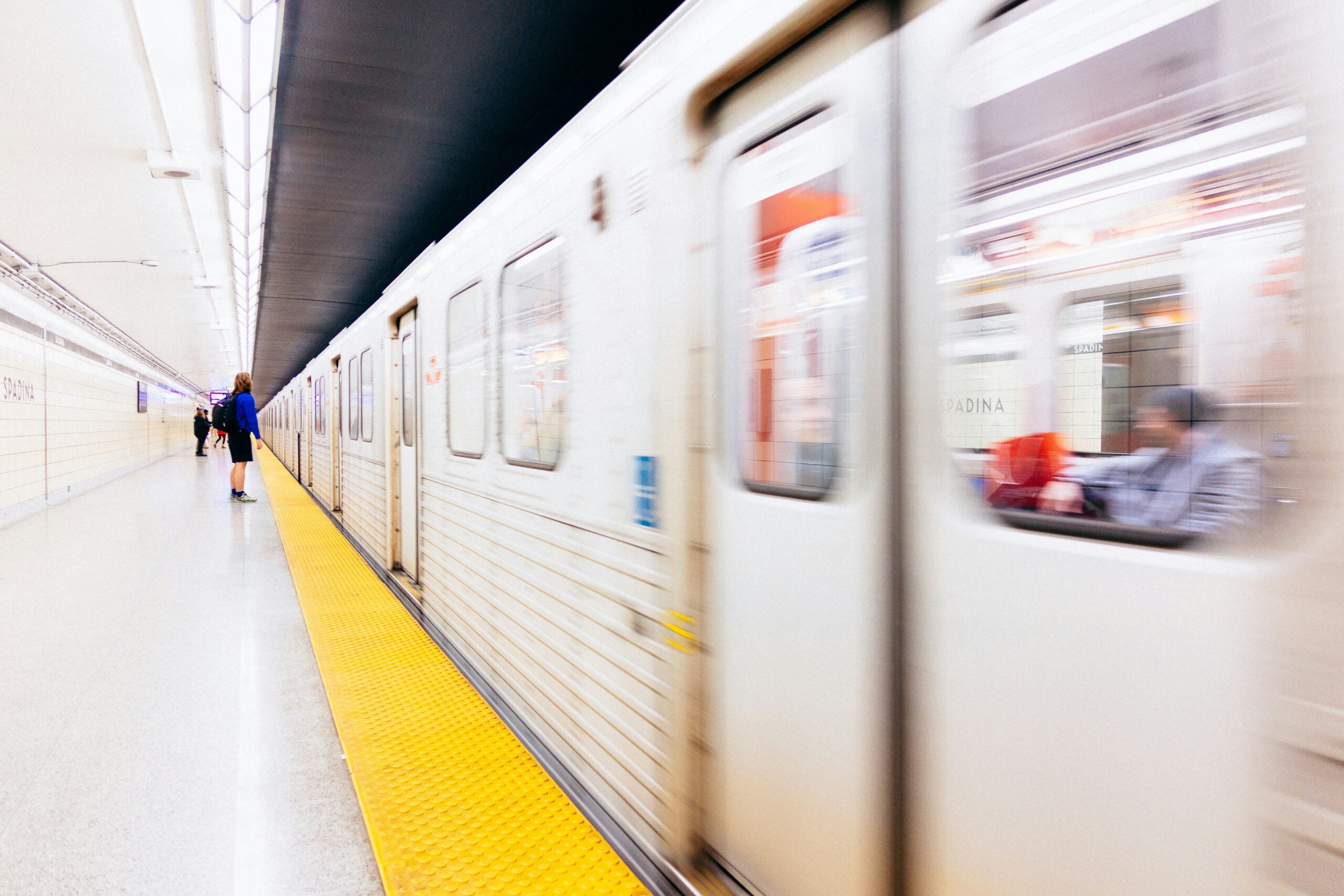
Photographer: Jed Dela Cruz
If you ride five days to work and then decide to catch a Blue Jays game, visit your aunt in Scarborough, or just go see friends on a Saturday, those extra trips do not cost you another dollar. That is almost twenty dollars back in your pocket every week. Roughly a thousand dollars a year for a regular rider. Real money. Not a slogan.
It is recognition that working people in this city have been carrying more than their share for too long. Before Mayor Chow became mayor, the pattern was familiar: fare hikes, service cuts, and the quiet message that if you needed the TTC you should just accept less. She chose differently. She froze fares three years running. That freeze alone saved a working couple about three hundred dollars last year. Now she is going further with a weekly cap that meets people where they actually live; week by week, not in some perfect monthly calendar that never matches real life.


People who work from home some days, people who get sick, people who leave town for a family funeral, they no longer lose the chance to save just because life refused to be tidy. The benefit arrives earlier and stays flexible. That is how you build trust. You stop punishing people for being human.
Before you ask, yes, the money is already in the plan. The 2026 city budget has twelve million dollars set aside for fare capping. This weekly version fits inside that envelope. At the same time, service has been climbing back: shorter waits on the subway, more frequent buses on the crowded routes, streetcars that actually show up, new safety staff on platforms, and the Scarborough Busway finally cutting travel times the way it was promised. Reliability and affordability moving together. Readers, can you account for this in your daily travels.
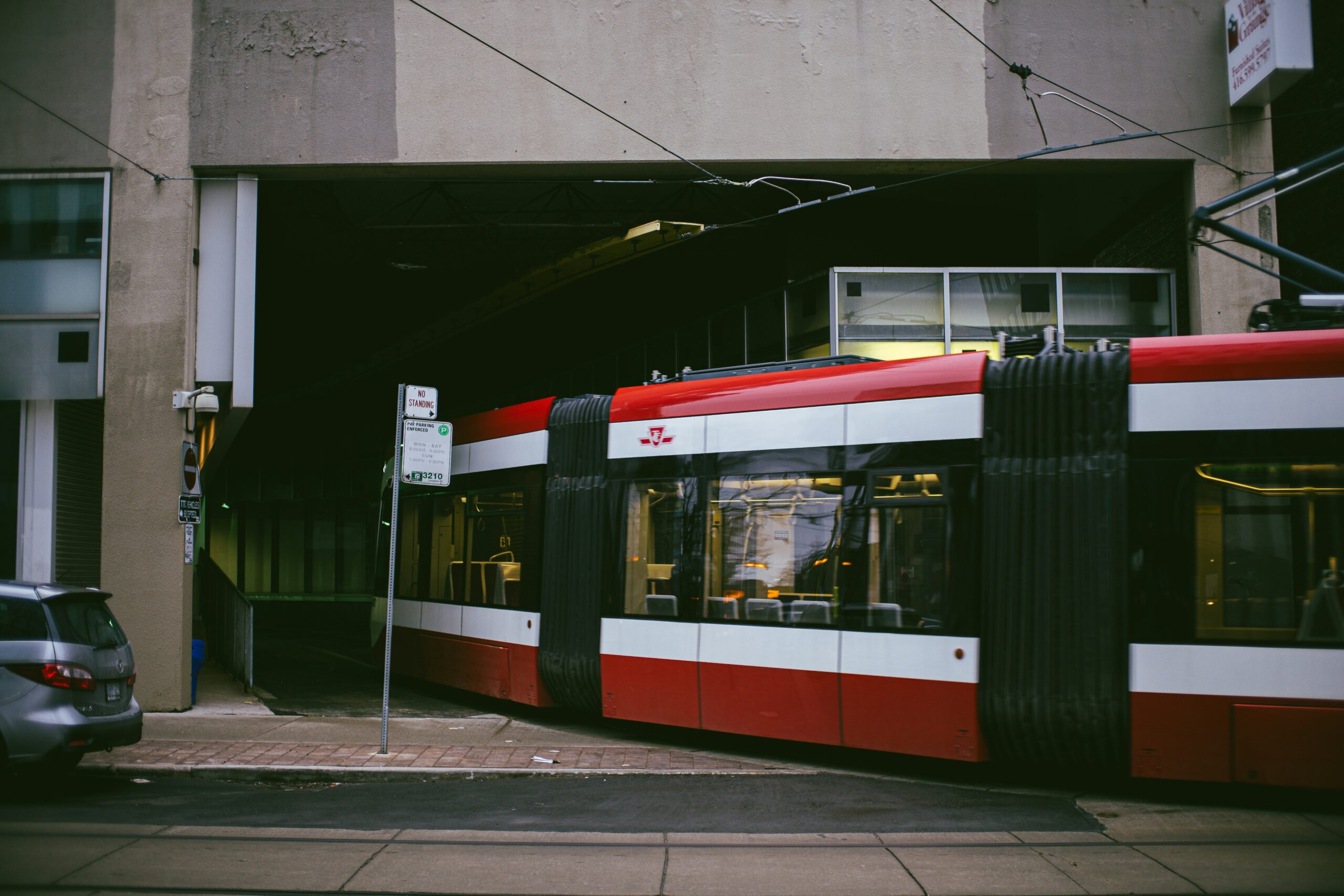
Photographer: Jason Ng
Some will say this is too generous. Others will claim it is not enough. Both voices matter, but neither should erase the people who simply need to get to work, to school, to the clinic, to each other without bleeding money every time the doors open. Cities that treat transit as a luxury end up with congestion, isolation, and deeper inequality. Cities that treat it as infrastructure for daily life give their people room to breathe.
Mayor Chow put it plainly, “This election is a choice. Keep moving forward; better service, lower real costs, or drift back to the old cycle of higher fares and thinner schedules. The weekly cap is the sound of the turnstile clicking for the eleventh time and the machine staying quiet. It is the evening ride home that no longer costs you. It is the weekend trip that no longer has to be weighed against the rent.
You work hard. Everything costs more. Your city should be in your corner. After ten trips, it finally is.