

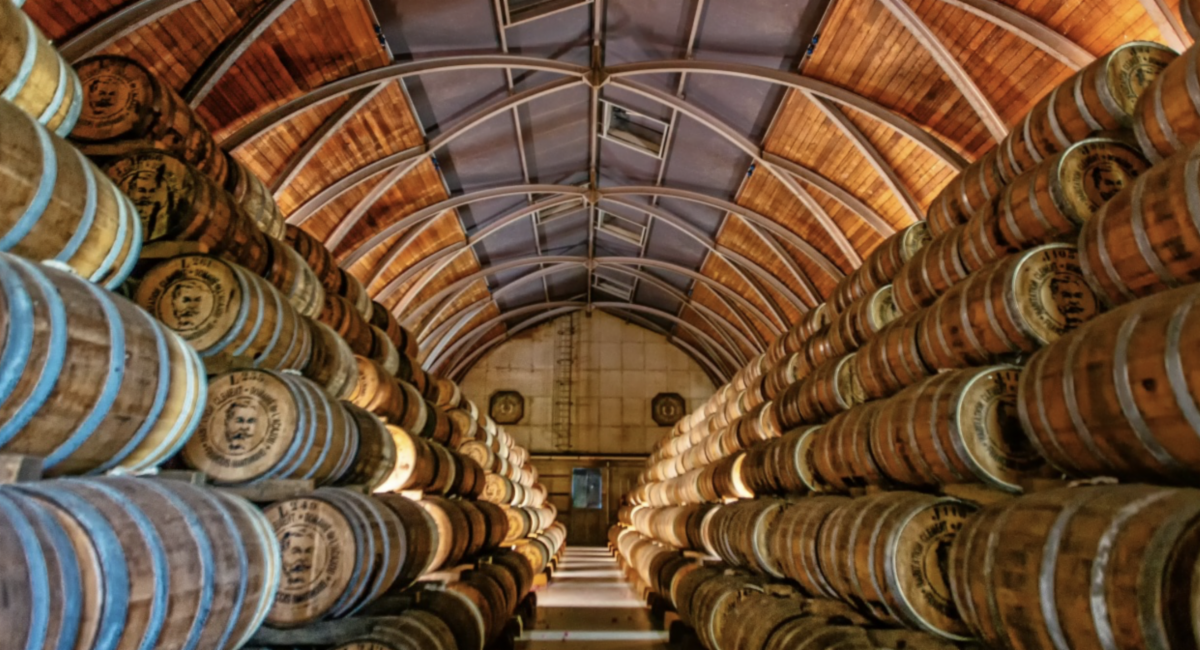

In Martinique, rum tells a story long before the first sip. It begins in volcanic soil, travels through fields of sugar cane and emerges from distilleries where generations of agricultural knowledge shape every bottle. Here, rum is part of the island’s identity, connecting its landscape, history and Creole culture.
What makes Martinique particularly distinctive is its commitment to protecting that identity. In 1996, the island secured an Appellation d’Origine Contrôlée (AOC) for its agricultural rum, establishing strict standards governing production and origin. It remains the only French overseas territory with an AOC for agricultural rum, placing the spirit within a tradition of geographical protection more commonly associated with wine.
For travellers, that distinction offers a compelling reason to explore Martinique beyond its celebrated beaches.
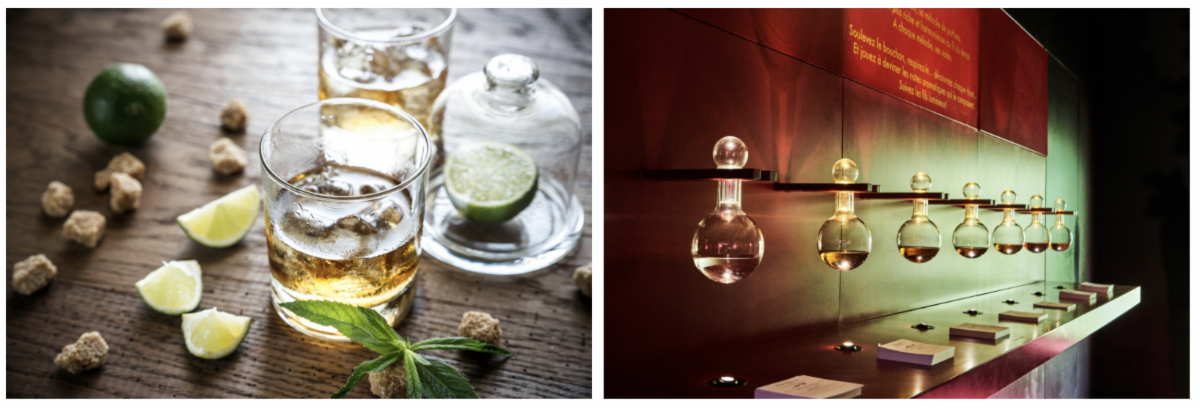
Photos courtesy of La Baie des Trésors and Martinique Tourism Authority
A history distilled through generations
Martinique’s rum industry emerged from a complicated colonial history. In 1635, French privateer Pierre Belain d’Esnambuc arrived on the island with approximately 100 settlers. Sugar cane plantations were established in the following decades, particularly after Jacques Dyel du Parquet acquired Martinique in 1651. Dutch-Jewish refugees brought sugar-refining expertise to the region, contributing to the development of its plantation economy.
The production of early rum, known as tafia or guildive, was documented by Father Jean-Baptiste Du Tertre between 1650 and 1667. Later, Father Jean-Baptiste Labat became an influential figure in the development of distillation techniques at the Fond Saint-Jacques sugar estate.
The island’s sugar economy was built within a colonial system shaped by exploitation and enslaved labour. Understanding that context adds necessary depth to the story of a spirit that has since become a powerful marker of Martinican identity.
Today, the island’s agricultural rum represents a distinctive legacy of craftsmanship, adaptation and place.
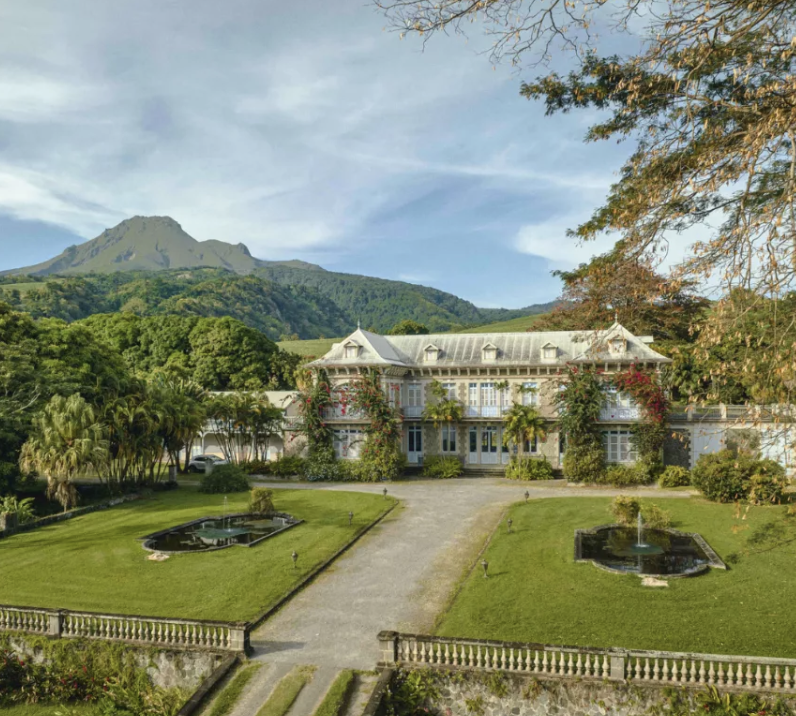
Photo courtesy of Distillerie Depaz, Saint Pierre, Martinique
Why Martinique’s rum tastes different
Unlike traditional rum made from molasses, rhum agricole is distilled directly from freshly pressed sugar cane juice. The result is often fresh, grassy and aromatic, with flavours that reflect the cane and the conditions under which it grows.
The AOC framework protects this connection to place through rules governing sugar cane origin, cultivation, fermentation, distillation and, where applicable, aging. It gives consumers a clearer understanding of what distinguishes Martinique’s rum while supporting established production standards.
Geography adds another layer. In northern Martinique, the volcanic slopes surrounding Mount Pelée influence the landscape in which sugar cane is cultivated. The resulting rums can offer complex, earthy and sometimes smoky characteristics. In the sunnier south, different growing conditions can contribute to softer, rounder expressions.
These are not absolute rules governing every bottle. Production techniques, cane varieties and aging also influence flavour. The contrasts make tasting across the island an invitation to discover how agricultural conditions and human expertise work together.

Bring the island into your glass
Visitors can explore Martinique’s rum culture through distillery tours, tastings and cocktails that showcase local ingredients. Each experience offers a different entry point into the island’s agricultural heritage.
For a taste of Martinique at home, try the Madinina Roots cocktail featured by the Martinique Gourmande Festival. Its recipe highlights the character of local rum alongside fresh, aromatic ingredients.
Discover the recipe at Martinique Gourmande.
Beyond the glass, Martinique rewards travellers with rainforest trails, volcanic landscapes, waterfalls, Creole cuisine and coastal communities. Its French influences coexist with a distinctly Caribbean cultural identity rooted in music, art, food and history.
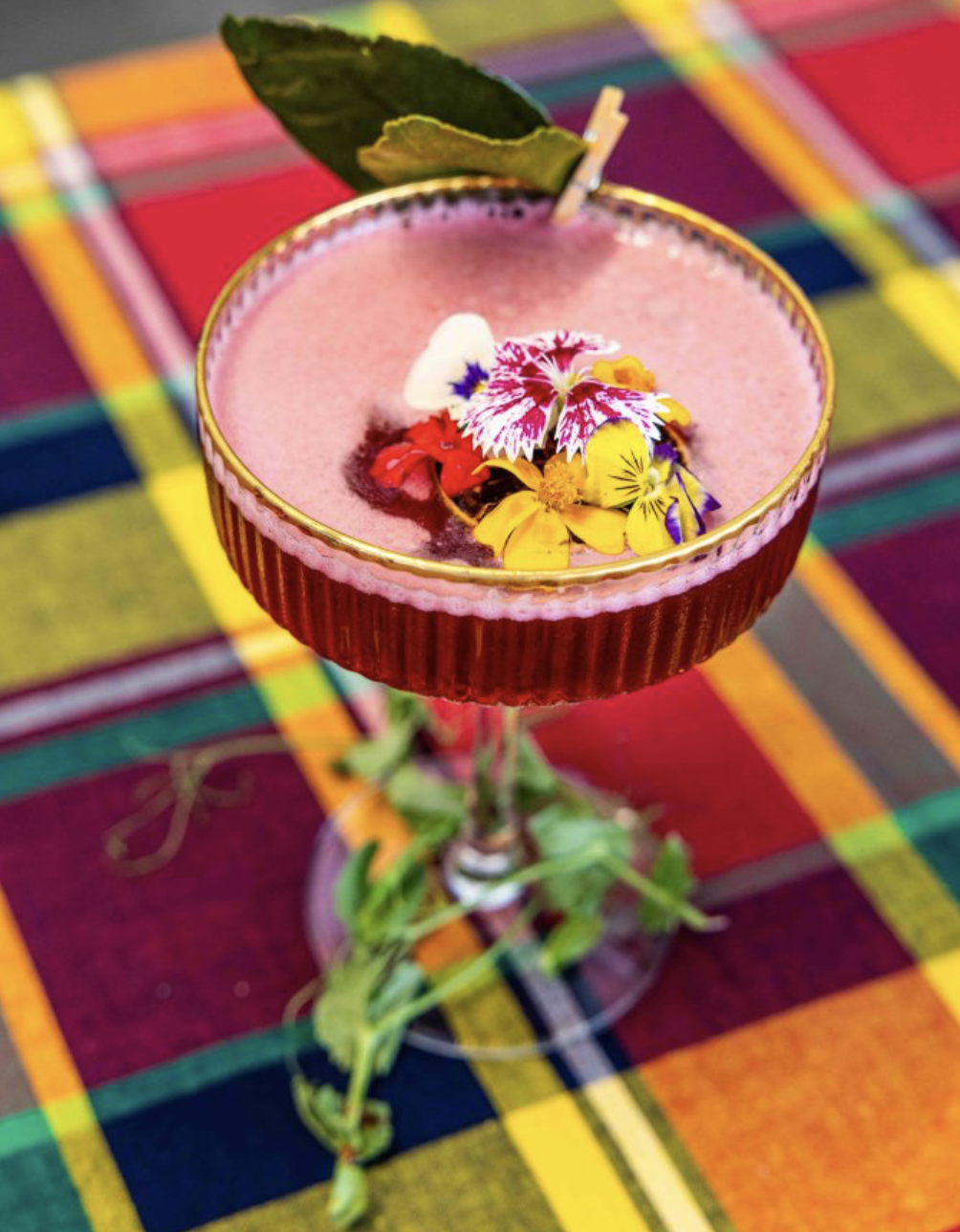
Photo courtesy of Martinique Tourism Authority
A more accessible Caribbean escape
Getting there is becoming easier for Canadian travellers. For the coming winter season, Martinique is expected to offer up to 18 direct weekly flights from Canada through expanded services from Air Transat and additional capacity from Air Canada. Travellers should confirm current schedules and departure cities before booking.
For those seeking a Caribbean experience that combines natural beauty with culinary discovery and cultural depth, Martinique offers something beyond the familiar resort itinerary.
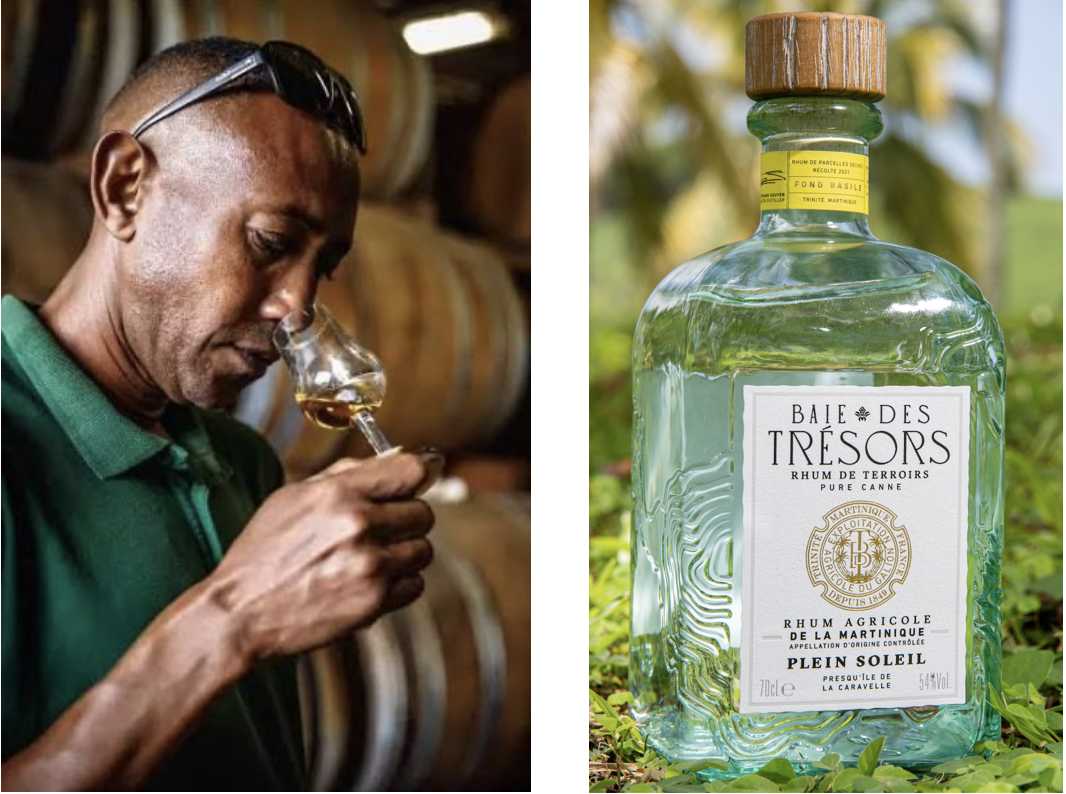
Photos courtesy of La Baie des Trésors and Martinique Tourism Authority
The invitation is simple: explore the distilleries, taste the differences and learn the stories behind the labels. In Martinique, every glass offers a starting point for understanding an island whose character cannot be separated from the land beneath it.
For travel inspiration and destination information, visit the Martinique Tourism Authority.
Stay in the loop with exclusive news, stories, and insights—delivered straight to your inbox. No fluff, just real content that matters. Sign up today!