Women Empowered
Letitia Argola; The heart behind the roles
“When somebody trusts you with their project, with their baby, and they trust you to be the lead, you have to be ready.”
— Letitia Argola

Before Letitia Argola ever stepped onto a television set or commanded a theatre stage, she mastered the fragile art of human caregiving. As a registered nurse and physical-therapy assistant, her days are measured in rehabilitation milestones, patient advocacy, and moments of quiet human vulnerability. That profound grounding in empathy now radiates through her screen performances, most notably in her lead portrayal of First Lady Sandra Clayton in the drama series Sundays After Church.
On screen, Letitia possesses a rare presence: an intricate blend of emotional warmth, quiet composure, and unspoken steel. Yet her journey to becoming a lead actress was neither linear nor calculated. It is a story forged across geographic borders; from the fast-paced streets of New York to the coastal charm of Savannah, through the healing waters of St. Croix, and ultimately into the booming film studios of Atlanta.

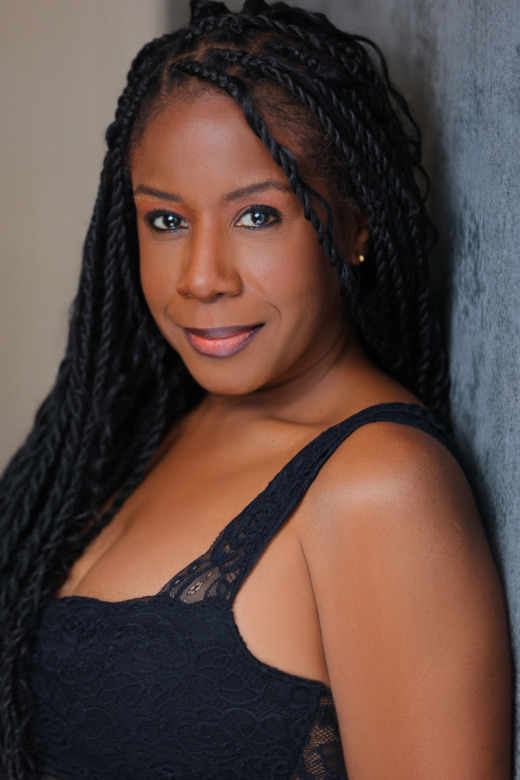
Photo Courtesy of Letitia Argola
Accent, Accentuation, and Childhood Courage
Born in New York as the unexpected baby of a family whose older children were already teenagers, Letitia discovered her instinct for performance early. At just four years old, captivated by an episode of The Brady Bunch, she began pacing her family’s home innocently repeating a character’s dramatic declaration: “I’m going to run away.” Her fiery father misconstrued the line as genuine rebellion, sparking a family uproar that inadvertently marked her very first convincing acting role.
When her family relocated to Savannah, Georgia, after kindergarten, six-year-old Letitia faced profound culture shock. Disconnected from her older sisters who remained in New York, she found herself teased by southern classmates for her crisp northern accent and high-pitched voice, which peers likened to Mickey Mouse.
Worse trials followed in elementary school, when a severe scalp infection contracted from playground sand forced doctors to shave her head completely. Facing third grade in a wig, she endured relentless anxiety and teasing, sparking a decades-long aversion to artificial hair. To navigate her childhood shyness, Letitia turned to dance at age thirteen. As a high school majorette and ensemble performer spanning jazz, tap, modern, and Afro-Caribbean styles, movement offered a sanctuary where she could express herself without the terror of public speaking or solo vulnerability.
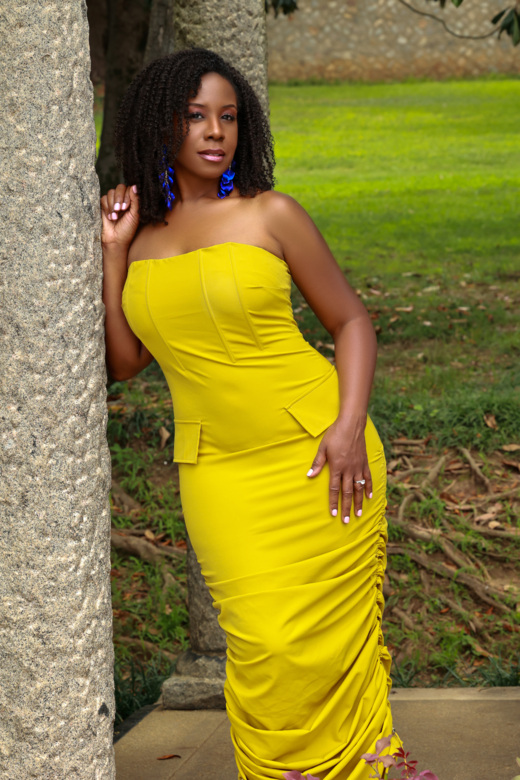
Photo Courtesy of Letitia Argola
The Island Sanctuary and The Epiphany
Even as she built a stable career in healthcare as a nurse and physical-therapy assistant, the quiet pull toward dramatic storytelling never disappeared. In search of personal renewal and space to heal, Letitia took a travel healthcare assignment to St. Croix in the U.S. Virgin Islands. What was intended as a temporary three-month stay stretched into nearly five years of deep personal transformation. Immersed in the island’s vibrant community, she embraced community theatre, local commercials, dance ensembles, and her first short film.
It was during this island sanctuary around 2014 that a single television broadcast altered the trajectory of her life. Watching Viola Davis deliver a masterclass in emotional raw power as the lead in “How to Get Away with Murder,” something shifted inside Letitia. Seeing a dark-skinned, shapely, unapologetically authentic African American woman anchor a major network series shattered every industry stereotype Letitia had internalized since youth. “It’s my time. It’s my time. I’m going for it,” she declared to herself. She promptly commissioned her first professional headshots from her photographer friend, stepping boldly onto the path of professional acting.


The Atlanta Crucible and Unscripted Grace
Driven by a yearning for the changing seasons and closer proximity to stateside opportunities, Letitia booked a travel nursing assignment in Atlanta in September 2017. Just three days after her arrival, Category 5 Hurricane Maria devastated St. Croix and Puerto Rico, stranding island residents and sealing her transition to Georgia as a permanent move of destiny.
Settling in Atlanta, she threw herself into rigorous craft study, enrolling at the Premier Actors Network under Dwayne Boyd and undertaking intense private coaching with Christine Horn. Christine not only helped Letitia overcome her childhood hair trauma by showing her how wigs serve as essential artistic tools for character transformation, but also refined her on-camera technique for film and television.
Letitia’s major breakthrough arrived when she submitted for a role in a short film titled Cuffed, produced by Eric Brown of Cinnamon Brown Entertainment. Falling ill near the submission deadline, she took a leap of faith and called the director directly to request an extension. He granted the extension, and after booking and excelling on the set of Cuffed, Eric was so struck by her work ethic, poise, and magnetic authenticity that he took an extraordinary step: he offered her the lead role of First Lady Sandra Clayton in his flagship dramatic film Sundays After Church without requiring an audition.
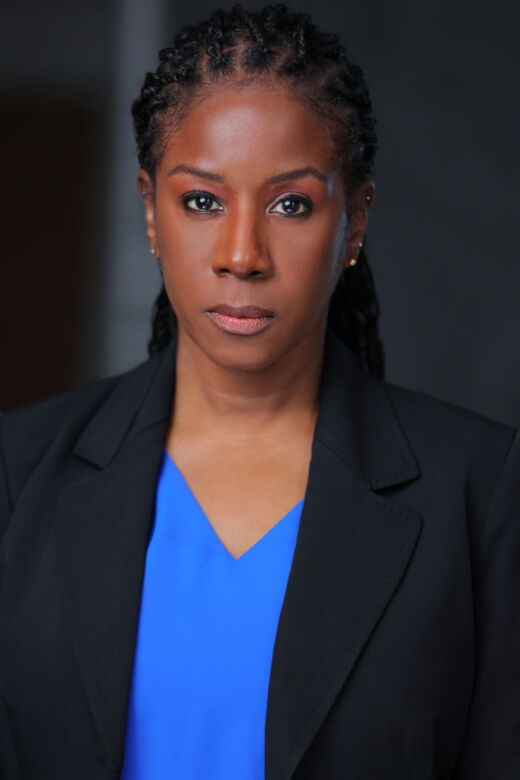
Photo Courtesy of Letitia Argola
Booked, busy, and grounded in purpose
Today, Letitia balances her ongoing nursing work with a burgeoning screen career that includes appearances in productions such as: “I Survived Suicide,” “Broken City,” “Atlanta’s Ugly 2.0,” and “Fatal Attraction,” alongside stage credits in “Dreamgirls” and “9 to 5.” Her healthcare profession provides financial independence, allowing her to approach auditions from a place of gratitude and artistic freedom. When leading a set, she arrives thoroughly off-book, upholding a standard of discipline inspired by veterans like Taraji P. Henson.
Looking ahead, Letitia aims to secure a regular role on a network series, maintaining a firm belief in artistic timing. “You always hear what is for you is for you,” she reflects. “So, the roles that I auditioned for and I didn’t book, they were not mine, but mine is coming. I just know it.” Through every chapter, from childhood resilience to the quiet dignity of nursing and the luminous power of the screen, Letitia Argola continues to prove that true stardom is rooted in the unwavering grace of being authentically oneself.