


When Hip Hop first crackled through Toronto’s Caribbean households, it was a psychological mirror that let African/Caribbean youth see themselves as authors of the story, not just extras in someone else’s movie. Today, as the culture sits on global stages and corporate balance sheets, the uncomfortable question is simple: what are we actually doing with the power Hip Hop taught us to claim?
Welcome to National Hip Hop Month!
From Bronx Block Parties to Toronto Basements
The story starts small: a rec-room party in the Bronx in 1973, where DJ Kool Herc (born in Jamaica) extended the drum breaks so young people could dance longer, rebel harder, and feel seen. The South Bronx was poor, neglected and deeply diasporic: African Americans, Puerto Ricans, and English-speaking West Indians mixing reggae sound-system logic with soul, funk and street poetry, turning urban hardship into something that sounded like survival instead of surrender.
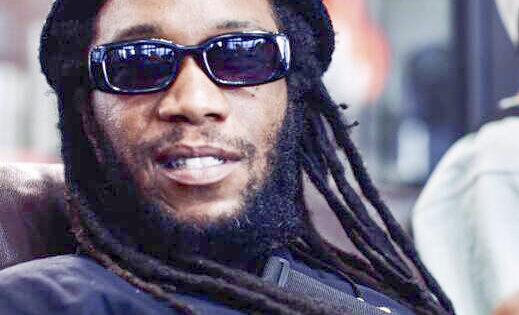
Those echoes travelled north. By the early 1980s, Jamaican-born Ron Nelson was hosting “Fantastic Voyage,” one of Canada’s first Hip Hop radio shows, giving Toronto kids (from Eglinton West to Scarborough) a live line into a culture that sounded like their own families’ migration stories remixed. For youth with parents from Jamaica, Trinidad, Guyana, Barbados and Haiti, Hip Hop felt familiar: patois, bass lines, call-and-response, and the stubborn idea that you could turn a neglected block into the center of the universe if you controlled the sound.
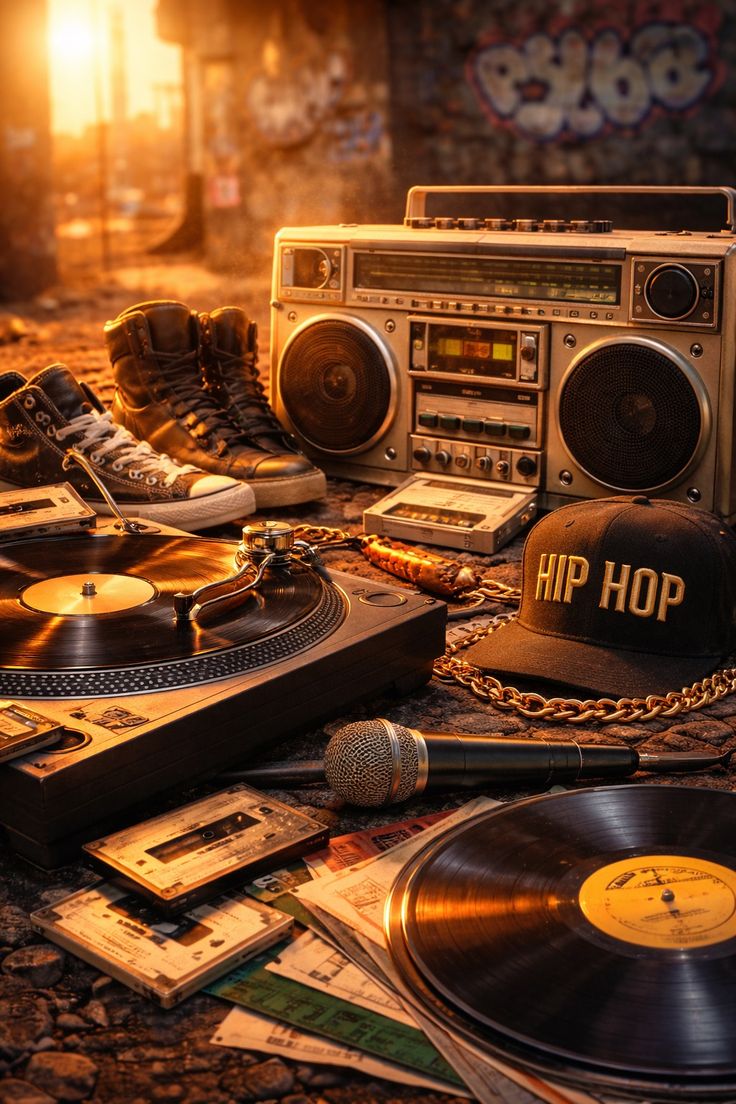
Photo Courtesy of Sandra de Oliveira
What Hip Hop Let Us Say
Before the polished industry version, Hip Hop allowed people to say the thing nobody with a microphone was supposed to say. Police brutality, housing projects falling apart, immigration papers in limbo, a mother working two jobs and still being one cheque away from eviction, these were verses.
Psychologically, that mattered. When you grow up being told your neighbourhood is dangerous or deficient, hearing MCs flip those same streets into places of pride rewires something in your brain: suddenly, being from the block is a credential, not a curse. For Caribbean-Canadian teens in Toronto, Hip Hop put plain language to quiet feelings: racism on the bus, guidance counsellors steering them away from university, teachers mispronouncing their names, and turned those everyday micro-injuries into bars that said, “No, you’re not crazy. This is real.”

What It Taught Us About Power
Hip Hop’s deepest lesson was about power. If you control the narrative, you decide what gets played at the party, what gets blasted from the car, what gets quoted in the hallway, you can change your position in the social hierarchy.
Toronto’s pioneers understood that. Maestro Fresh Wes didn’t just drop “Let Your Backbone Slide” he proved a Canadian MC could crack the mainstream and become a national reference point. Michie Mee switched from standard English to patois on stage and watched the crowd lose its mind, showing that Caribbean identity was the source of the hype. Ghetto Concept, Dream Warriors, Kardinal Offishall and community legends like Lord Fury, built careers off that blend of Toronto grit and Caribbean swagger, turning our city’s immigrant-heavy reality into a sound that couldn’t be mistaken for New York, even though it was born in conversation with it.
Behind them were people like Dalton Higgins: journalist, promoter, author, who documented, booked, and amplified artists so they were part of the official record of Canadian culture. That ecosystem: DJs, promoters, radio hosts, photographers, fashion designers, dance crews, record-store owners, quietly taught a generation that to have power, you build platforms.
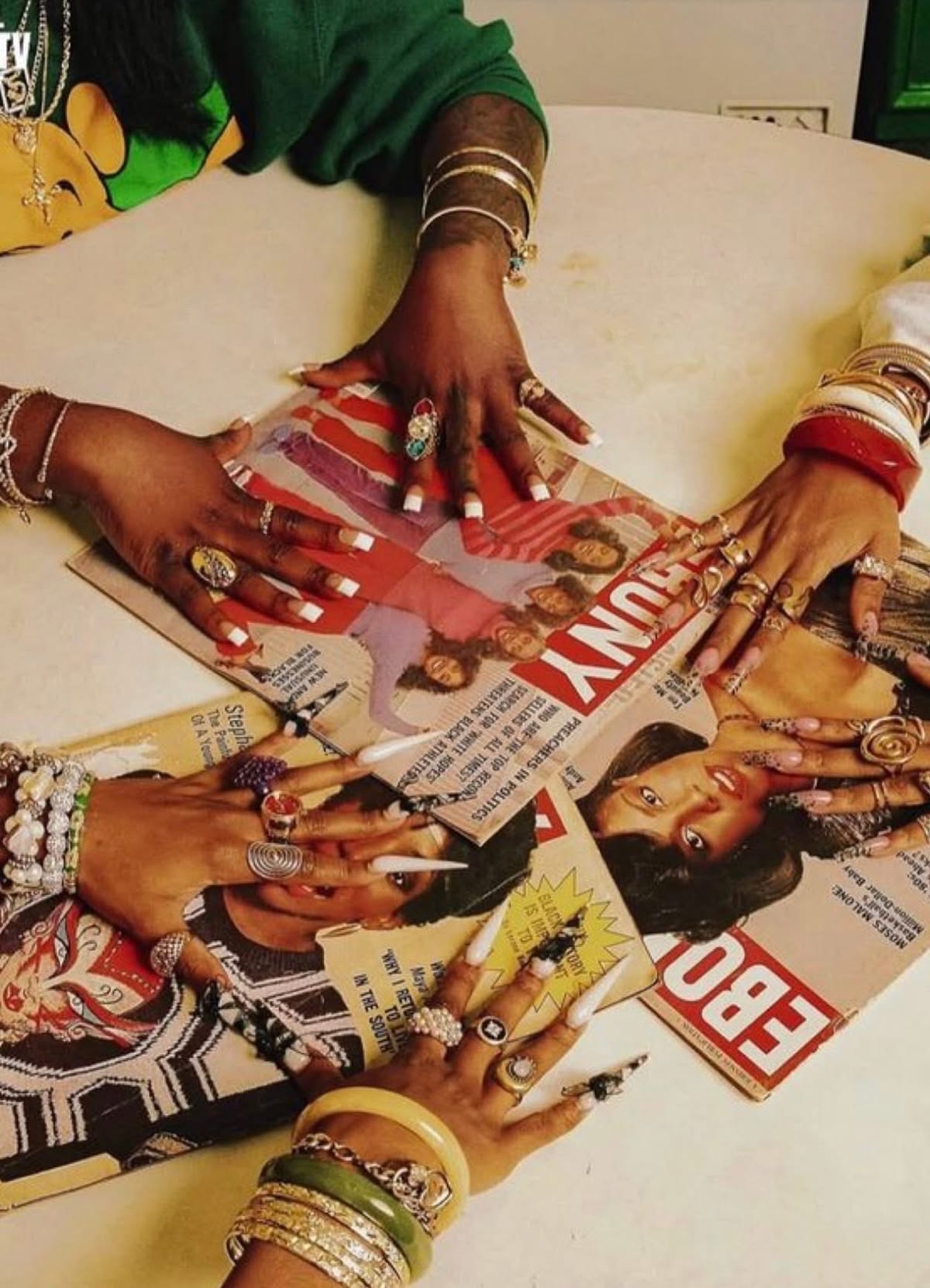
Photo Courtesy of KIERRA MYESHA
The Commercial Trap: From Rebellion to Branding
As Hip Hop became a global commercial force, rebellion started to look a lot like branding. The same culture that taught us to speak back to police, landlords and school boards is now used to sell sneakers, luxury cars and streaming subscriptions, often stripped of the context that made those lyrics dangerous in the first place.
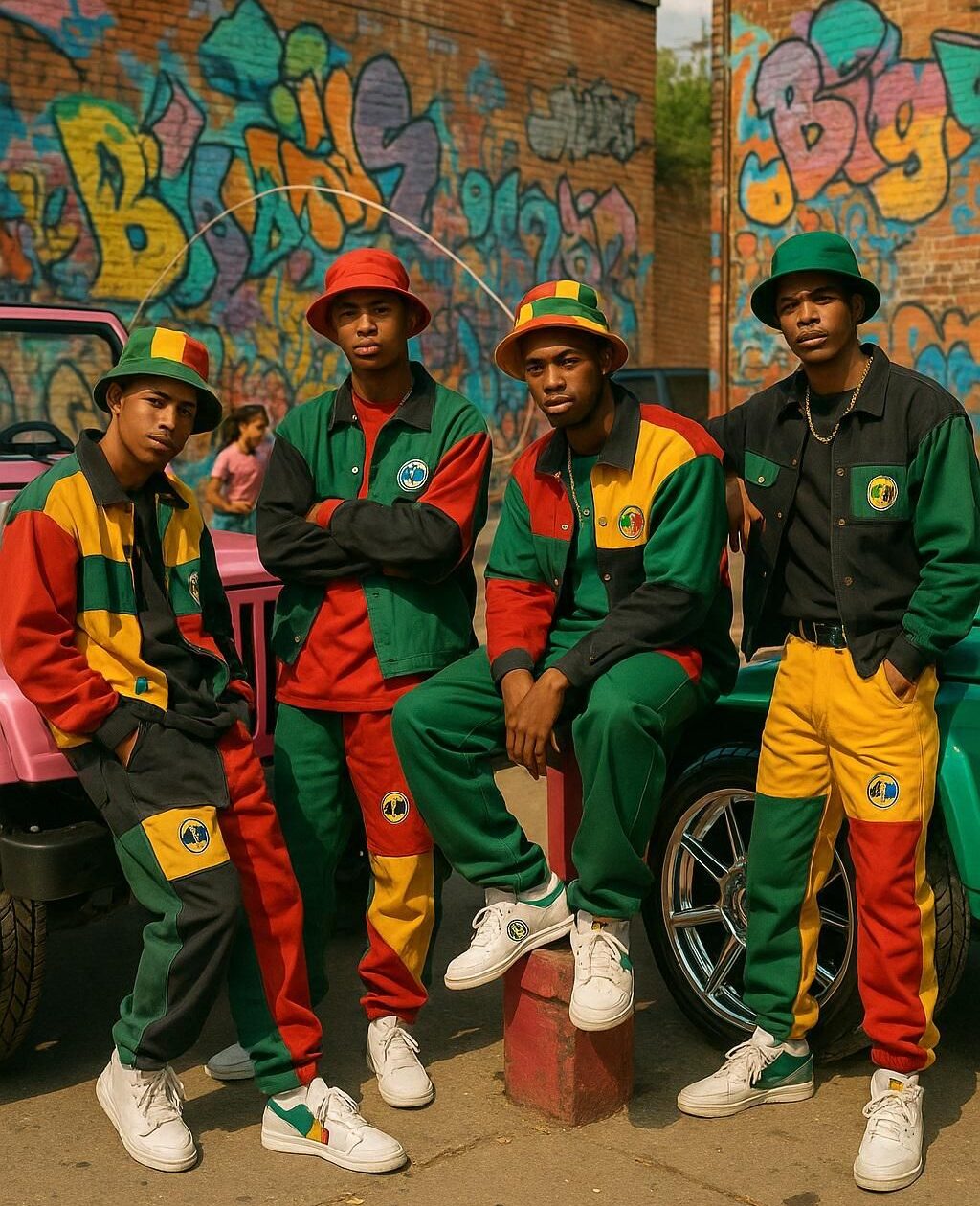
This creates a strange split. On one side, you have got youth who know every verse of a chart-topping song about struggle but rarely see sustained coverage of actual policy changes affecting policing, housing or immigration in their cities. On the other, you have got companies using Hip Hop aesthetics: graffiti fonts, trap drums, Caribbean slang, to look authentic, with little interest in repairing the harm the music has been describing for decades.
The question for African/Caribbean communities in Toronto is sharp: are we still using Hip Hop to create culture, or mostly consuming its commercial products?
Who Gets Remembered, and Who Built the Culture
History tends to remember the faces in front of the mic, but Hip Hop was always a crew sport: DJs, MCs, breakers, graffiti artists, producers, photographers, promoters, radio personalities, community organizers, and the elders who tolerated basement parties until 3 a.m. In Toronto, that includes sound-system operators who turned church basements into dancehalls, college radio heads who risked their slots to play local demos, and shop owners who let kids tape flyers to their windows because they understood that a Saturday night jam might keep somebody out of real trouble.
When we only remember the rappers, we erase the deeply Caribbean structure of the culture; those collective, improvisational, loud, sometimes chaotic spaces where everyone had a role whether they touched a microphone or not. That loss flattens our understanding of how communities actually built power together and makes it easier to replace whole cultures with individual brands.
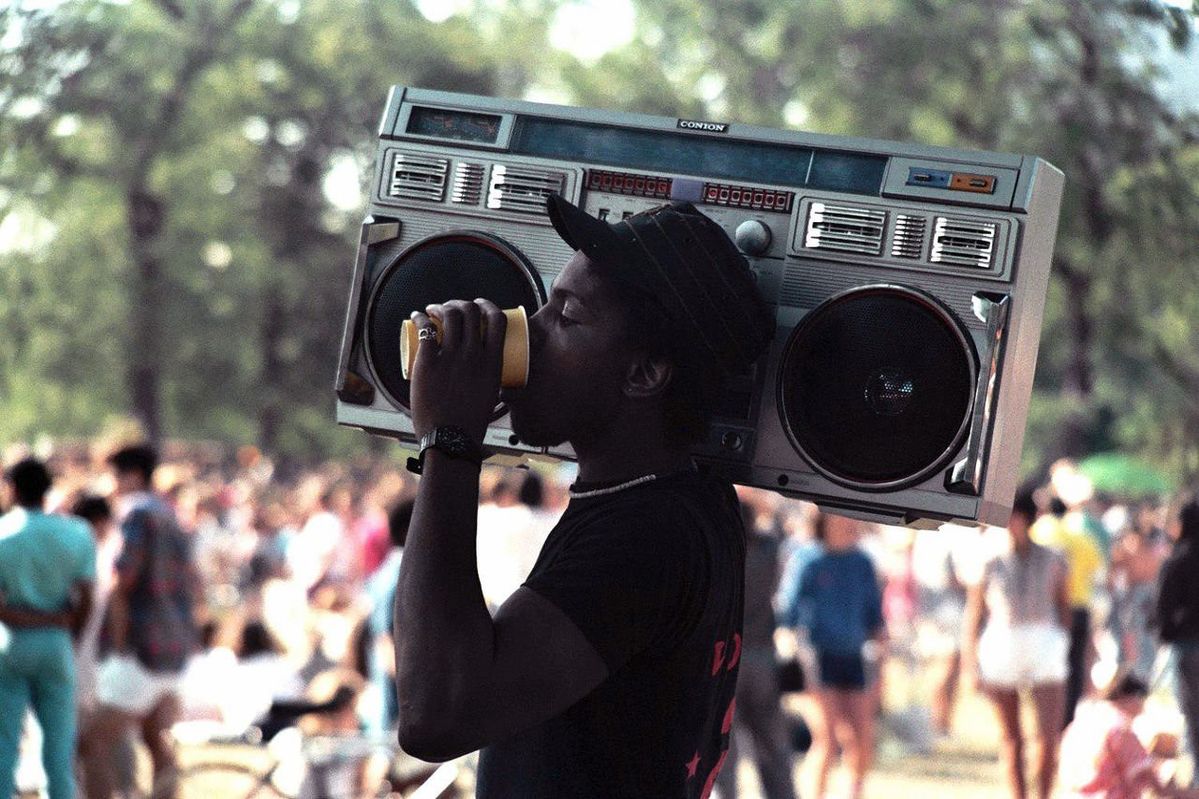
Photo Courtesy of Jennyrigby Sz
So What Do We Do With the Lesson?
Individually, the first step is to treat Hip Hop less like a playlist and more like a question: what am I doing, in my lane, with the lesson that you can turn what the world ignores into something undeniable? That might mean documenting local stories, supporting independent artists and venues, teaching youth the history behind the beats, or simply refusing to share content that glamorizes harm while saying nothing about healing.
Governments, schools and companies have their own homework. Recognizing Hip Hop’s 50-year legacy in the Bronx and its Caribbean-driven evolution in places like Toronto is meaningless if budgets, policies and curricula still treat African/Caribbean youth as problems to be managed rather than creators to be resourced. If a culture built on speaking uncomfortable truths is being publicly celebrated, then the institutions doing the celebrating need to show how they are changing the conditions those truths came from, not just throwing concerts or campaigns that fade as soon as the hashtag cools.
And you, reading this in the Toronto Caribbean Newspaper, know the stakes are personal. Hip Hop raised us: African, Caribbean, diasporic, Toronto, and proved that a basement party, a radio show, a mixtape or a verse could change how a community sees itself. If Hip Hop taught an entire generation that they could take what the world ignored and turn it into culture, business and power, then the most pressing question for us now is what are we doing with that lesson while the speakers are still turned on?
Stay in the loop with exclusive news, stories, and insights—delivered straight to your inbox. No fluff, just real content that matters. Sign up today!