


Editor’s Note: One article among many honoring an unbelievable year: dive into this piece and celebrate the impact our community made together.
Canada has long cultivated an international reputation as a nation committed to diplomacy, humanitarian assistance, and peacekeeping. As Cuba continues to face significant economic hardship, energy shortages, and challenges within its healthcare system, some observers have argued that Canada could play a larger humanitarian role in supporting its Caribbean neighbour.
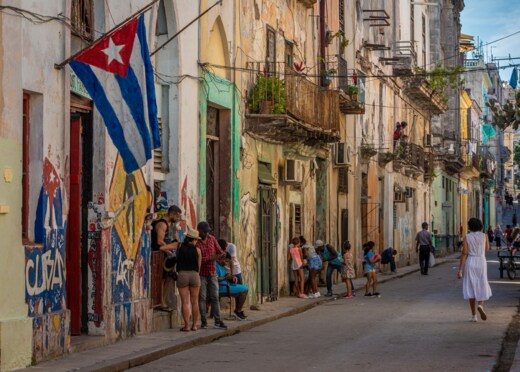
Cuba’s current difficulties stem from a combination of domestic economic challenges and longstanding international sanctions that have affected trade, investment, and access to critical resources. The result has been persistent shortages of fuel, medicine, and basic necessities. Frequent power outages have disrupted daily life, making it difficult to preserve food, operate businesses, and provide uninterrupted hospital services. For many Cubans, these conditions represent an ongoing humanitarian crisis.
Against this backdrop, imagine a Canadian government choosing to respond through an ambitious humanitarian initiative rooted in compassion rather than confrontation.
The proposal would include three key components:
First, Canada would deliver emergency petroleum supplies by sea to help stabilize Cuba’s energy infrastructure. Naval vessels would accompany the humanitarian shipment as peacekeeping escorts to ensure the safe delivery of essential fuel while reducing the risk of military confrontation.
Second, Canada would organize a large-scale humanitarian mission, sending urgently needed medical supplies alongside volunteer healthcare professionals and emergency service personnel. These teams would serve temporary deployments, working with Cuban medical authorities to strengthen healthcare services and provide immediate relief to communities facing shortages.

Third, Canada would demonstrate that humanitarian leadership can transcend political disagreements. Rather than responding to international tensions with escalating rhetoric, the mission would emphasize cooperation, compassion, and practical assistance for civilians.
Supporters of such an approach might argue that humanitarian action can become one of a country’s strongest diplomatic tools. By helping vulnerable populations during times of crisis, Canada could reinforce its long-standing identity as a nation that values peace, stability, and international cooperation.
Within this hypothetical scenario, Prime Minister Mark Carney would choose not to answer political conflict with confrontation. Instead, his government would seek to demonstrate leadership through action. The objective would not be to embarrass another nation but to remind the international community that moral leadership is often measured by a country’s willingness to help those in need.
Any attempt to interfere with a humanitarian mission would likely generate significant international attention. Allies and international organizations would closely examine both the legality and humanitarian implications of such actions. Public opinion could increasingly favour nations seen as placing human welfare above political rivalry.
A successful mission could also strengthen Canada’s relationships throughout the Caribbean. Humanitarian cooperation often creates opportunities for deeper partnerships in trade, education, healthcare, tourism, and economic development. As trust grows between nations, those relationships can produce lasting benefits that extend well beyond the original crisis.
Such an initiative would also reinforce Canada’s international image as a country prepared to lead through empathy rather than intimidation. While political disagreements between governments may continue, humanitarian assistance reminds the world that ordinary people should not bear the greatest burden of geopolitical disputes.
Ultimately, lasting peace is rarely achieved through economic pressure alone. It is built through trust, cooperation, and a willingness to recognize our shared humanity. Whether discussing Cuba or any nation experiencing hardship, compassion remains one of the most powerful instruments of diplomacy.
As the old saying suggests, liberty cannot be measured solely by economic prosperity. It also grows from dignity, hope, and the willingness of neighbours to stand beside one another during difficult times. In that sense, humanitarian leadership becomes more than foreign policy; it becomes an expression of national character.
Liberty comes from the heart, not the pocketbook. Whether one agrees with the proposed approach or not, the central message remains clear: genuine leadership is ultimately measured by the courage to place humanity before politics.
Stay in the loop with exclusive news, stories, and insights—delivered straight to your inbox. No fluff, just real content that matters. Sign up today!