


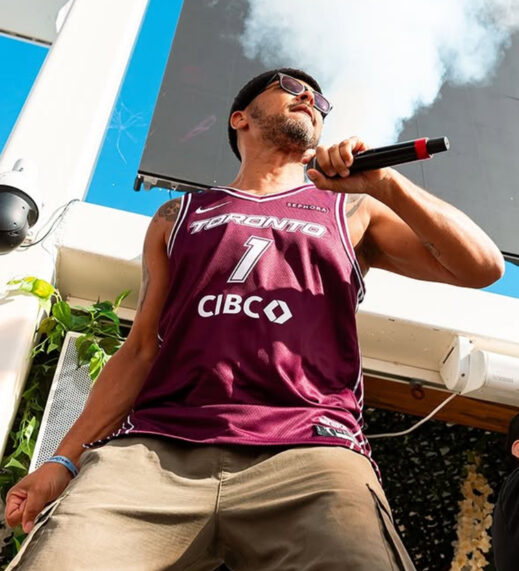

The humid lake breeze off Lake Ontario did little to cool the heavy, vibrating energy suffocating the pavement outside Cabana Pool Bar. It was a classic Toronto summer afternoon; the skyline gleaming like polished chrome across the water, the bass from the soundcheck already rippling through the concrete beneath my sneakers. I stood in the crowd, watching the masses shift and swell, a sea of neon fabrics, bucket hats, and the unmistakable, anxious static of thousands of people waiting to lose themselves in the rhythm.
For most of the crowd, tonight was about witnessing Major Lazer, a global juggernaut of electronic dance music, but for me, the anticipation was anchored in something far more grounded, a bridge stretching backward into the quiet blocks of my childhood where Walshy Fire was just Leighton, a kid with big dreams and an unyielding passion for the music of our roots.
The transition from the entrance into the heart of Cabana is always a sensory overload. The venue is an amphitheater of excess: white cabanas, glittering pools, and a stage that feels like it’s floating directly on the harbour. By the time the sun began its slow descent, painting the Toronto sky in bruised shades of purple and orange, Major Lazer took the deck. The sonic assault was immediate. Diplo, America Foster and Walshy Fire moved with the calculated precision of seasoned generals, unleashing a torrent of dancehall rhythms, trap beats, and Soca-infused basslines that turned the entire pool deck into a single, churning organism.
From my vantage point in the crowd, I watched Leighton command the microphone. His voice, cutting through the heavy sub-bass, was the engine of the performance. There is a peculiar, surreal friction in watching a childhood friend control the emotional output of thousands of screaming strangers. In his performance, I could hear the echoes of the sound systems and the communal block parties of our youth, a reminder that no matter how vast the global stage becomes, our heritage remains our primary vessel for storytelling. The crowd was a blur of motion, hands in the air, bodies splashing in the pools, completely untethered from the anxieties of the world outside the venue gates.

When the final encore echoed out over the lake and the microphones flickered off, the collective exhaustion of the crowd was palpable. People began the slow, dazed migration toward the exits, but I moved against the current, guided by security that felt like a police escort. Passing through the heavy velvet ropes and navigating the labyrinthine, sterile corridors underneath Cabana is a quick lesson in the mechanical architecture of the entertainment industry. The loud roar of the arena faded into a muffled hum, replaced by the quiet, transactional chatter of technicians, tour managers, and security personnel.
The door to the green room swung open, and the atmosphere shifted from corporate calculation to absolute, unhurried ease. The room was a sanctuary of relaxed energy, a stark contrast to the high-octane chaos that had just unfolded on the stage above. Sitting on a low leather couch, looking remarkably unfazed by the two-hour marathon he had just completed, was Diplo. He was deep in conversation with America Foster, their voices low as they deconstructed the logistics of the performance with the casual demeanor of architects reviewing a blueprint.
Then, Leighton caught my eye. The years of international touring, the platinum records, and the global acclaim dissolved in a single second. It was the same grin from the neighborhood. The hug was tight, a silent acknowledgment of the wild, unpredictable paths our lives had taken since we were kids running around with big ideas. In that moment, surrounded by the elite of the global music industry, there was no room for the sanity thief of imposter syndrome. The connection was real, anchored in decades of shared history and mutual respect for each others’ talents.
We sat down, grabbing some catered snacks and a couple of cold drinks, and for the next hour, the global phenomenon of Major Lazer was put on pause. We talked about mutual friends, joked about regional Toronto issues, and reminisced about the deep human flaws and ridiculous misadventures of our youth. Diplo and America joined the conversation, their global personas melting away into the relaxed vibe of the room. It was a masterclass in the power of authenticity; despite the massive scale of their success, the energy in the room was completely grounded, defined by the same ease of friendship you would find at a Scarborough backyard barbecue.
Walking out of Cabana into the cool, quiet Toronto midnight, the city lights reflecting off the still water of the harbour, the ringing in my ears felt like a badge of honour. It was a profound reminder that while accomplishments change your geography, they do not have to change your core. True legacy is about the hands you keep holding onto along the way.
Stay in the loop with exclusive news, stories, and insights—delivered straight to your inbox. No fluff, just real content that matters. Sign up today!