



What is your objective in life? Is it to become wealthy, famous, or simply ordinary but happy? The greatest challenge in life is becoming who you were meant to be, not who others expect you to become. Living honestly with yourself may be the greatest success of all.
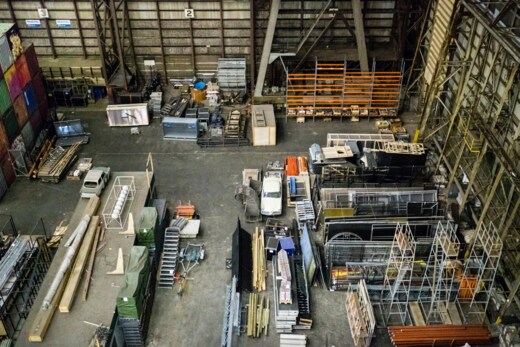
Manufacturing has been the financial foundation of my family for more than 50 years. My brother, and our father before him, manufactured displays, merchandisers, and store fixtures for the North American retail sector and the corporate branding market. Today, tariffs are threatening businesses like ours, but long before that, I witnessed another challenge emerge: the growing demand for environmental responsibility.
Over the years, our company tried to make practical changes that reduced waste and protected finite resources.
First, we minimized material waste by recommending design adjustments that made better use of standard sheet sizes instead of producing unnecessary offcuts.
Second, our woodworking department stopped using medium-density fibreboard (MDF) containing formaldehyde whenever possible. Formaldehyde-free MDF and fire-retardant materials cost considerably more, but we believed protecting both workers and customers was worth the investment. Unfortunately, some manufacturers can create the appearance of using environmentally friendly materials while quietly substituting less expensive alternatives.
Third, we avoided acrylic whenever possible, particularly for cosmetic displays. While acrylic is technically recyclable, the reality is different. Once these displays enter retail environments, many are simply discarded and sent to landfills after only a few years, or even after a single promotional campaign.
Finally, we prioritized recyclable materials, even when doing so meant losing contracts because our prices were higher. Metal remains one of the most recyclable materials available, while quality millwork can often be reused or repurposed. Although acrylic can be recycled, it rarely is once it leaves the manufacturing floor.
Environmental responsibility became an important message throughout our industry. Then came the pandemic, followed by tariffs. Business slowed, profit margins tightened, and cost-cutting became the priority.
That shift exposed an uncomfortable reality. It became easier for some manufacturers to market products as green, formaldehyde-free, or fire-retardant without fully delivering on those claims. Cosmetic finishes can hide what lies beneath, making verification difficult for customers. When profitability becomes the primary goal, environmental commitments can become little more than marketing language.

The economics of manufacturing leave little room for error. Most companies purchase materials from similar suppliers and pay comparable labour costs. Material selection often determines whether you win or lose a project.
Looking back on the thousands of retail environments we built, I now see them differently. Metal fixtures often remained in service for years. Cash desks, cabinetry, and millwork commonly lasted between five and ten years. Acrylic displays, however, were often designed for short-term promotions before being discarded.
As retirement approaches, I have begun questioning my own legacy.
For decades, I believed I was helping businesses succeed. Today, I wonder whether our industry also contributed to an endless cycle of consumption that places enormous pressure on our natural resources.
So much energy, labour, and raw material are devoted to creating beautiful retail environments whose primary purpose is encouraging people to buy more, whether they need those products or not. Shoes, handbags, cosmetics, or luxury accessories become symbols of success, while the environmental costs remain largely invisible.
Our industry employs millions of people worldwide and contributes billions of dollars to the global economy. Those are accomplishments worth recognizing. Yet they also force us to ask difficult questions. What is the environmental cost of endless consumption? What effect does constant marketing have on our priorities and our well-being?
As Ezra Taft Benson observed, “The essence of immorality is the tendency to make an exception of oneself.”
Most of us understand that wasting the planet’s resources is unsustainable. Yet we continue pursuing the newest brands, fashions, and products, even when we already have enough.
Perhaps the greatest challenge is not changing the industry alone; it is changing ourselves.
I have spent more than three decades in the manufacturing industry. As retirement approaches, I reflect on the legacy of my profession and the responsibility each of us shares for the future of our environment.
Stay in the loop with exclusive news, stories, and insights—delivered straight to your inbox. No fluff, just real content that matters. Sign up today!