


Getting calls every few minutes soliciting donations of every type can make you wonder: Don’t they know there’s a recession going on here? Yes, they do, and that may be precisely why we are getting these calls.
When the economy has gone flat, jobs are harder to find, the cost of living is rising daily, and there is no place to hide from our lived experience, charities are on the ball, calling and soliciting us for every dollar possible, but there is another side to this story.
Canadian data show that charitable giving does not simply disappear when times get tough. The picture is more complicated. Statistics Canada reports that the proportion of Canadians making donations fell from 68% in 2018 to 54% in 2023, while the total value of donations remained relatively stable. In 2023, Canadians donated approximately $13.4 billion.
Why do we continue to give when our own wallets are feeling pressure?
Psychology Today points to empathy, the desire to make a positive impact, and the instinct to protect others as important motivations behind charitable giving. Seeing someone suffering can create an emotional response that moves us to help.
Yes, donations have been under pressure across much of the charitable sector, but certain causes continue to connect deeply with Canadians because they speak directly to our humanity.
The Terry Fox Run is a spectacular example. It gives people a way to show community spirit while helping fund cancer research. The annual event now brings communities together across Canada, with more than 650 communities participating. Acts of social conscience and social activism can be powerful yet simply done.
Donate your body to science, if that is your informed wish. Body donation can contribute to medical education and research. Sign your organ-donor registration and, just as importantly, tell your family about your wishes. Organ donation decisions can be time-sensitive, and making your intentions known can help your loved ones and medical professionals understand what you wanted.

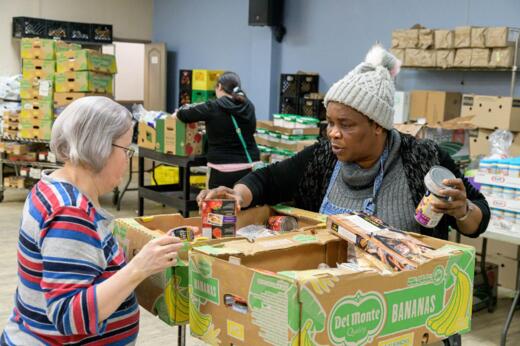
The smallest of gifts can help the less fortunate, the needy and the vulnerable. They can also support medical research, cancer treatment, food security and countless other causes that affect people across every socio-economic group.
Charity must never have a socio-economic tag attached to it. Need does not belong to one income bracket.
Helplessness can be confronted when we are willing to accept others into our lives. A helping hand is a collaborative thing. It is a decision we make, yet we do not make alone, and perhaps that is the real reason people continue to give, even when money is tight.
Giving reminds us that our personal struggles are not the whole story. We may have less money. We may have fewer luxuries. We may not be able to take the trip, eat out as often or buy the expensive gift we wanted, but we can still do something.
We can give a little. We can volunteer. We can sign a donor card. We can participate in a community fundraiser. We can offer a helping hand, and feeling good about your decision to help others is worth celebrating. So be happy about it.
Sometimes the smallest act of generosity is a powerful reminder that we are still connected to one another.
Stay in the loop with exclusive news, stories, and insights—delivered straight to your inbox. No fluff, just real content that matters. Sign up today!