


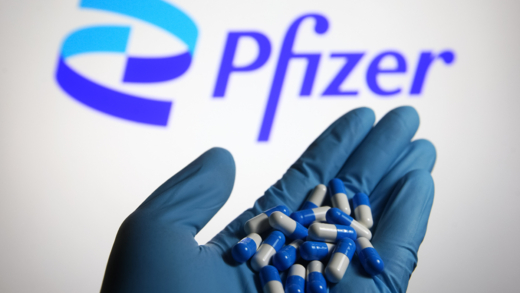

In January 2018, at the World Economic Forum in Davos, Pfizer CEO Albert Bourla spoke about emerging technology in digital medicine during a panel on transforming healthcare. The discussion included ingestible sensors and the growing collision between technology and medicine.
One technology discussed was Abilify MyCite, an aripiprazole tablet containing an ingestible sensor designed to record when the medication is taken. The FDA approved Abilify MyCite in November 2017. The system uses a wearable sensor patch and smartphone application to transmit information about medication ingestion, with the patient’s involvement and consent.
I looked into Abilify MyCite, and this is what it is used for. It is an atypical antipsychotic indicated for schizophrenia and bipolar I disorder, and as an adjunctive treatment for major depressive disorder in adults.
Now let us dissect what antipsychotics are. Antipsychotics are a class of medicines used to treat symptoms associated with psychosis, including delusions, hallucinations, paranoia and confused thinking. They are also used to treat other mental health disorders. Older medications are commonly called first-generation, or typical, antipsychotics, while newer medications are generally classified as second-generation, or atypical, antipsychotics.
After looking into the purpose of Abilify MyCite and the idea of using tracking technology to confirm medication ingestion, I could not help but wonder whether patients fully understand the risks and limitations associated with the medications they are prescribed.
Here are some of the pitfalls.
The FDA-approved labeling for Abilify MyCite includes important warnings, including suicidal thoughts and behaviours in pediatric and young adult patients, as well as increased mortality in elderly patients with dementia-related psychosis. The label also warns about conditions including tardive dyskinesia, metabolic changes, seizures and compulsive behaviours.

That raises an important question: Are patients receiving enough information about both the medication and the technology used to monitor it?
John and Jane Public should also remember how deeply public trust in pharmaceutical companies and government health institutions was shaken during the COVID-19 pandemic. For some people, those experiences continue to influence how they view new medical technologies.
Getting digital devices inside the body seems to be where the future of medicine is going. Meet the MyCite app, a smartphone application that communicates with the wearable patch via Bluetooth. The patch transmits ingestion data and other information, allowing patients to view medication patterns, but where does innovation end and surveillance begin? That is the question worth asking.
The controversy surrounding Pfizer also deserves careful examination. Former Pfizer scientist Michael Yeadon and German physician Wolfgang Wodarg filed a petition with the European Medicines Agency in 2020 seeking to halt COVID-19 vaccine trials and raising concerns about the design and safety of the studies. Yeadon has also made claims about COVID-19 vaccines and fertility. “I just have never been so ashamed of the industry I used to work in,” Yeadon stated in an interview.
Since 2021, Dr. Simone Gold has been warning the public about the lies of Big Pharma, calling what they are doing “Crimes against humanity.” Gold said she took Ivermectin when she traveled to Africa as a medical student, but all of a sudden, it became unsafe and illegal in 2020, and that is when she lost all faith in the establishment. After prescribing Ivermectin and Zinc for a patient who felt better almost instantly after taking it, she said, “My medical director called me the next day and threatened to fire me eventually; I did get fired from both of my hospitals.”
So, should pharmaceutical companies be trusted simply because a product has received regulatory approval? Perhaps the better question is this: How much transparency should patients demand before accepting medicine that can also generate data about them?
As digital medicine advances, patients deserve answers. Innovation may be inevitable, but informed consent, privacy, transparency and accountability should be non-negotiable.
Perhaps that is the real issue; not whether medicine can track us, but whether patients understand exactly what is being tracked, why it is being collected, and who ultimately gets to see the data.
Stay in the loop with exclusive news, stories, and insights—delivered straight to your inbox. No fluff, just real content that matters. Sign up today!