



A wildfire-smoke episode can look like a temporary weather event, as the skyline turns orange, air-quality alerts appear on phones, and eventually the haze lifts, but the physical effects of breathing heavily polluted air continue long after the sky clears. As Ontario and most of Canada experience the direct consequences of a changing climate, researchers are documenting how smoke from fires hundreds of kilometres away is altering and impacting our health.
Wildfire smoke contains a dense mixture of gases and microscopic particles. The primary concern is PM2.5, which are fine particulate matter measuring 2.5 micrometres or less in diameter. These particles are small enough to bypass the body’s natural respiratory defences, travelling deep into the lungs and entering the bloodstream.
Health Canada reports that exposure to PM2.5 regularly causes headaches, mild coughs, mucus buildup, and irritation of the eyes, nose, throat, or sinuses. A recent study examining nearly one million emergency department visits in Alberta and Ontario found that exposure to wildfire-sourced PM2.5 was associated with a 6.07% increase in visits for migraines and other primary headache conditions. The increase reached 10.42% in communities facing the greatest socioeconomic disadvantage, including lower incomes, limited access to resources and weaker social supports.
Wheezing, chest pain, a severe cough, asthma attacks, shortness of breath, dizziness, and heart palpitations can signal serious smoke exposure and may require medical attention. The effects can persist even after the visible haze begins to clear. A 2025 Ontario study published in the Canadian Medical Association Journal examined two major smoke episodes in June 2023 and found that asthma-related emergency-department visits rose 23.6% above expected levels the day after the heaviest smoke began and remained elevated for up to five days. Visits among children increased by 40%, while adult visits remained 48 percent above expected levels for a full week.
People living with asthma, COPD, heart disease or other chronic illnesses face greater health risks from wildfire smoke. Pregnant people, older adults, young children and outdoor workers are also more vulnerable, with elevated risk. Wildfire smoke may impair immune-system function, including immune responses in the lungs, with implications for people who are immunocompromised or living with respiratory illness.

Researchers sometimes compare wildfire smoke exposure with cigarette smoking to make the amount of particulate matter people may inhale easier to understand. On the Air Quality Index (AQI), good air quality falls between 0 and 50, while a reading of 150 sits at the upper limit of the category considered unhealthy for sensitive groups and on the threshold of becoming unhealthy for everyone. Stanford researchers estimate that several days of continuous outdoor exposure at that level could deliver a particulate dose comparable to smoking about seven cigarettes a day. Wildfire smoke and tobacco smoke contain different chemical mixtures, so the comparison demonstrates the amount of fine particulate matter entering the body through involuntary exposure and the severe physical toll placed on the respiratory system by the heavily polluted air.
Wildfire conditions intensify across Canada; Natural Resources Canada reports that warmer, drier conditions are altering the length, intensity, and extent of wildland fires. In some forest regions, the fire season could become more than a month longer by 2100. Longer and more intense fire seasons will expose more communities to wildfire smoke and place increasing pressure on public health and health care systems.
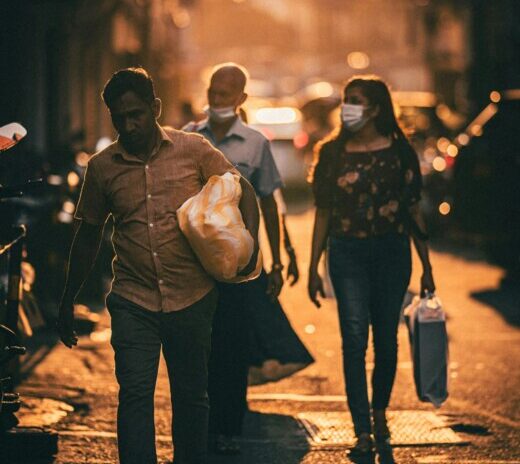
As we prepare for current and future wildfire smoke, Health Canada recommends wearing a properly fitted respirator during a smoke event when outdoor exposure cannot be avoided. A NIOSH-approved N95 or a comparable respirator, such as a KN95 or KF94, should fit securely around the nose, mouth and chin to reduce the inhalation of fine particles.
Cloth, medical, and surgical masks usually do not have the filtration efficiency or tight facial seal necessary to offer the same level of protection from PM2.5. While respirators mostly reduce particle exposure, limiting time outdoors and remaining in indoor spaces with filtered air provides broader protection from the mixture of particles and gases in wildfire smoke. As smoke events become a more persistent public health threat, timely information and reliable access to clean indoor air will be essential to protecting communities.
Stay in the loop with exclusive news, stories, and insights—delivered straight to your inbox. No fluff, just real content that matters. Sign up today!