



BY STEVEN KASZAB
GreenPeace USA has pointed out this past Monday that the plastic processing sector in the USA has failed in its promise to make plastics green. There is in fact little optimism to be found. The existence of a circular economy with regards to plastics touted by the plastic sector is in fact a fiction.
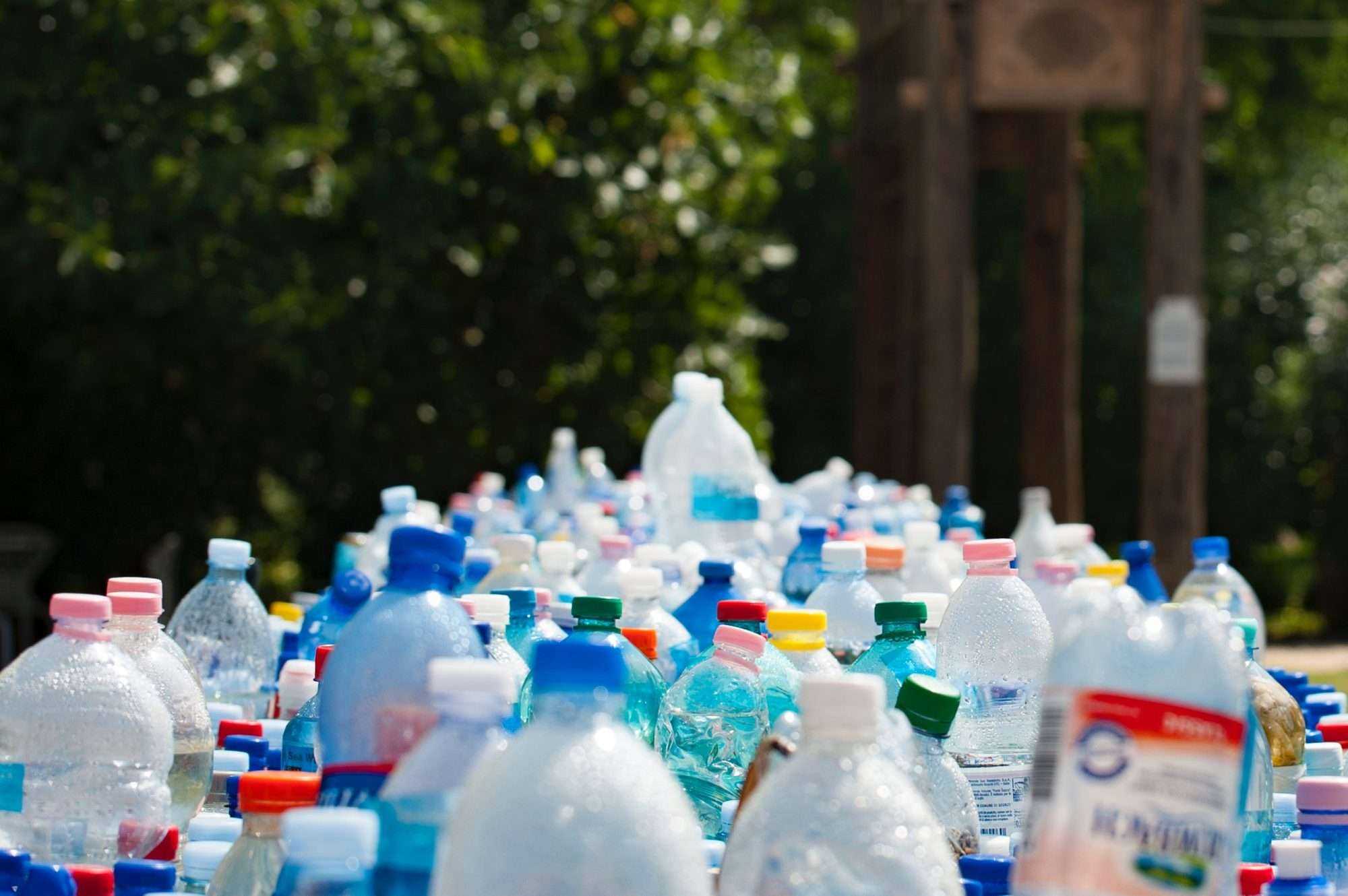
According to the GreenPeace survey in America, the US generated 51 million tons of plastic waste in 2021, of which only 2.4 million tons were recycled. I don’t know about you, but when my family recycles its waste, it brings about a good feeling, like we are doing our part in the grand scheme of things, but does it really help save the environment?
Since China (2018) refused to accept any further plastic waste, the sector has sustained a downward trend, with the various municipalities and local governments picking up plastic waste, recycling little of it, and then shipping it to landfills across our country. The promise made by the plastic sector and our local governments has not come about. While plastic prices continue to drop, due to the increased production of plastics, the promise of clean plastics remains a dream unfulfilled.

Only two types of plastic are accepted at most of America’s 375 material recovery centres: polyethylene (PET) commonly used in making water and soda bottles, and the second is high density polyethylene (HOPE) used for shampoo bottles and household products. There are seven different types of plastics used, and these two seem to be the only two that can be recycled properly.
Furthermore only 21% of the above-mentioned items are fully recycled, with the rest going to the landfill. Plastics such as: children’s toys, plastic bags, yogurt containers were repackaged at a rate of 6%. The Federal Trade Commission has challenged the plastic sector’s desire and capability to recycle properly.
According to GreenPeace’s report, encompassing Canada with America, the practice of recycling plastics does not work for five reasons:
- Amount of plastic needed to be recycled is far too difficult to collect
- All this plastic waste cannot be recycled together, requiring costly sorting
- Plastic recycling processes are in themselves a danger to the environment, exposing workers to toxic chemicals and generating microplastics
- Plastic often contained food debris and other toxins making the recycling process undoable
- Recycling plastics is very costly, putting new plastics directly in competition with the system
Simply put, it is cheaper to make new plastics than to recycle. The cost of recycling allows for the constant proliferation of environmental crises on land and in the planet’s waterways and oceans.
There are solutions to this issue, however the plastic industry refuses to develop processes that simplify recycling. Non-emitting (100%) burn units (incinerators), the possible halt of plastic production with regards to plastic bags, and other items that have recyclable alternatives come to mind.
Profiteering is central to the plastic sector’s existence. It is the scientific community and governments that must pull the costly nature of this situation on their own.
Stay in the loop with exclusive news, stories, and insights—delivered straight to your inbox. No fluff, just real content that matters. Sign up today!