Travel
Where Reggae Meets the Sea: Jamrock Returns to Jamaica
A cruise becomes a cultural gathering, a living archive, and a vacation becomes a journey through generations of Jamaican expression.

The first thing you hear is not the ocean. It is the bass.
Somewhere aboard Norwegian Joy, between Miami and Jamaica, a rhythm begins to move through the ship. It travels beneath conversations, through corridors and across decks, carrying something older than the cruise itself: a Jamaican sound that has spent more than half a century learning how to cross borders without losing its accent.

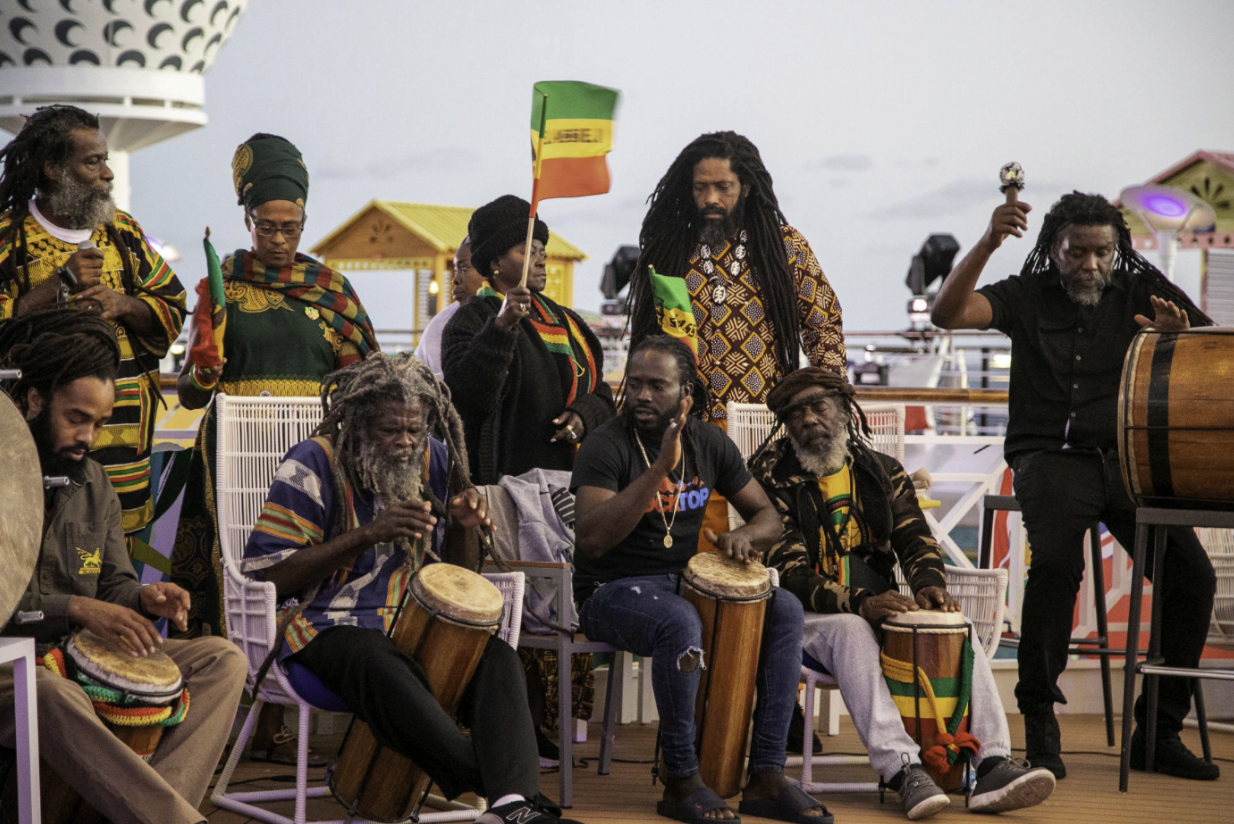
Photo: Evan Wollenberg
This is Welcome to Jamrock Reggae Cruise, and in November 2026, it returns for its 11th annual voyage with a proposition that has become increasingly difficult to ignore: reggae is not simply music you listen to.
Co-founded by GRAMMY-winning artist Damian “Jr. Gong” Marley, Jamrock will sail from Miami to Jamaica from November 11th –16th, 2026, transforming five days at sea into a moving celebration of Jamaican music, culture and community. This ear, the voyage feels less like a concert series than a conversation across generations.
Consider the lineup: Burning Spear. Sizzla. Capleton. Junior Reid. Richie Spice. Sister Carol. Then Barrington Levy, Flourgon, Johnny P, Terror Fabulous, Professor Nuts and L.U.S.T. Then Beenie Man, Elephant Man, Mr. Lexx, Ghost and Tony Matterhorn. Then Gyptian. Protoje. Lila Iké. Sevana. Jemere Morgan, and at the centre, Damian Marley and Stephen Marley, whose Traffic Jam set connects reggae’s foundation to everything that came after it.
Read as a list, it is impressive. Hear it as a timeline, and it becomes something else.

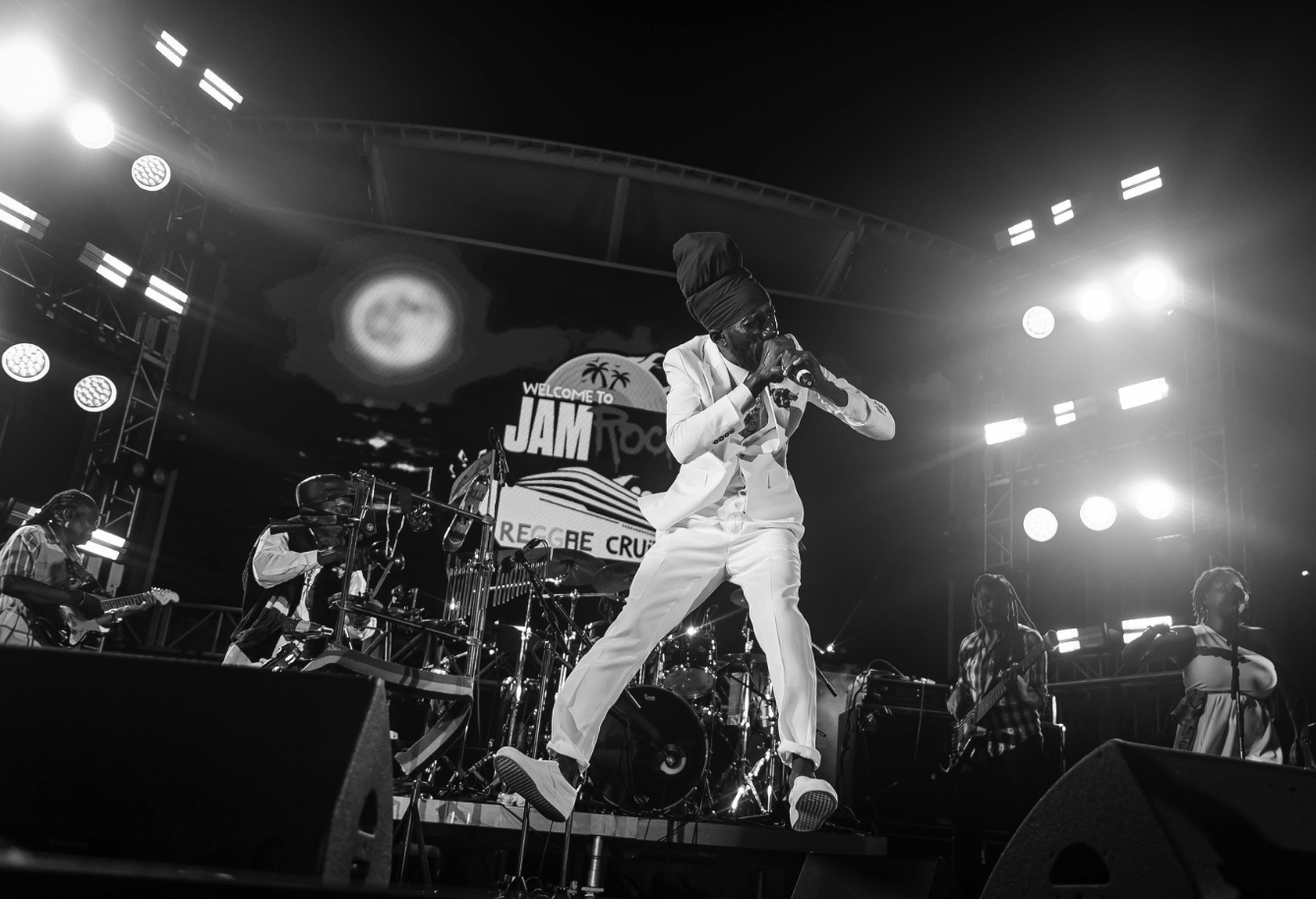
Photo: Tizzy Tokyo
You can trace the evolution of Jamaican popular music through the artists aboard this ship: roots reggae and Rastafarian consciousness; the formative years of dancehall and sound-system culture; the international explosion of dancehall in the 1990s and 2000s; the melodic currents of lovers rock; the modern reggae revival; and the newer generation reshaping dancehall for another era.
The ship becomes an archive. Except this archive has a pulse, and it dances.
Few things say Jamaica quite like a sound system. Long before global stages and streaming platforms, sound-system culture helped create spaces where music became competition, identity, community and spectacle. Selectors, deejays and sounds built reputations by understanding what a crowd needed before the crowd knew it needed it.
Jamrock brings that tradition offshore through Sound Clash at Sea. Stone Love (Geefus), King Jammy, Silverhawk Sound, Rory Stone Love, Renaissance Sound, Federation Sound, Warrior Sound, Rampage Sound, Kingston12 HiFi and Souljah1 Muzik will bring one of Jamaican music’s defining traditions into the middle of the Caribbean.
There is something wonderfully Jamaican about that idea. Take a tradition born in neighbourhoods, yards and dance spaces and place it on a ship surrounded by ocean. The geography changes. The energy does not.

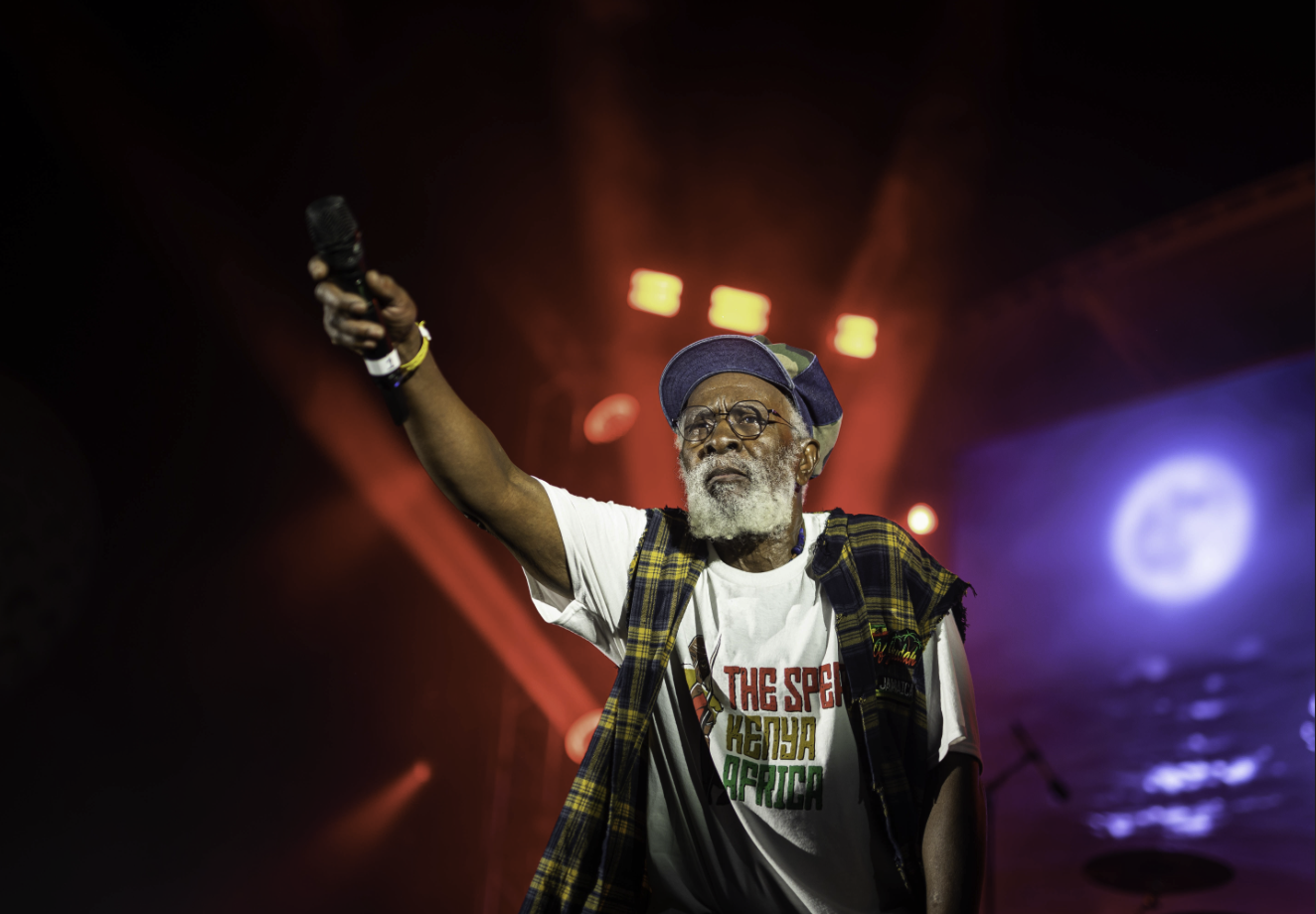
Burning Spear turns the mic to the crowd as fans sing along to his timeless anthems aboard the 2022 Welcome to Jamrock Reggae Cruise. (Photo: Tizzy Tokyo)
Jamrock’s ambition has never been confined to the stage. That matters, because Chef Lumley’s Jamaican cuisine will become part of the experience this year. Nyabinghi sunrise sessions introduce another rhythm entirely, one measured not by a DJ’s set list but by the rising sun.
There are sound baths and fitness programming, including the new Paradise Flow, a Pilates and meditation session with Naomi Cowan. There are dancehall classes with Ravers Clavers’ Trey Smith. There are Ludi and domino tournaments, mini golf and go-karting. At night, the ship changes character again for All White, Blackout and Rep Your Country celebrations.
Then comes something particularly intriguing: legendary Jamaican playwright and actor Oliver Samuels joins Jamrock for the first time, bringing live theatre aboard a cruise whose primary language has historically been music. That addition says something important; it is that culture is bigger than a playlist.
Perhaps nowhere is that clearer than in the presence of Ding Dong & the Ravers Clavers. Dancehall has always been physical. It lives in the body. A rhythm can become a step. A step can become a trend. A trend can become a cultural signature that travels from a Jamaican street to a global stage. The inclusion of Ravers Clavers acknowledges something that is sometimes lost when Jamaican music is packaged for international audiences: the dance is part of the music’s language.


The body answers the riddim.
This year’s voyage also carries a heavier context. Following the impact of Hurricane Melissa in 2025, Jamrock returns to Jamaica with renewed purpose, maintaining its distinction as the only chartered cruise with two Jamaican port stops. This year’s stops are Falmouth and Ocho Rios.
That return matters because tourism can bring money, visibility and opportunity. It can also raise questions about who benefits, how communities participate and what happens when places become products for outsiders.

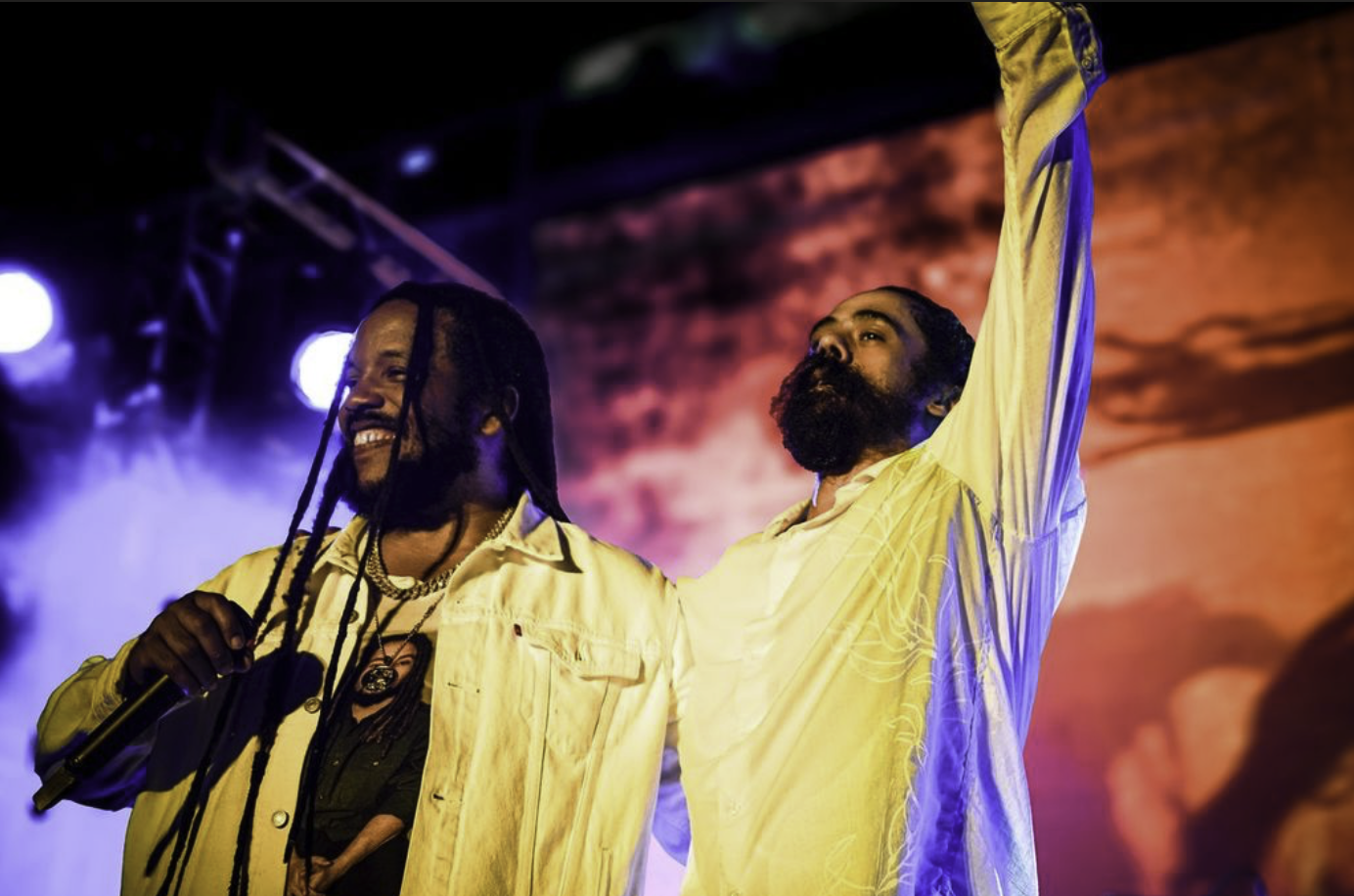
Brothers Stephen Marley and Damian “Jr. Gong” Marley share a moment on stage during the 2025 voyage. (Photo: Armond Revis-Nixon)
Jamrock’s decision to maintain Jamaica at the centre of the experience creates a different kind of relationship between the traveller and the destination. This trip asks passengers to experience the country through its people, food, music, performance and cultural traditions.
Jamrock’s New Documentary
There is an almost perfect metaphor hiding in the title of Jamrock’s new documentary. All in the Same Boat, directed by Reshma B and produced by Boomshots TV, follows the story behind the cruise; from an idea conceived by Damian Marley and his manager Dan Dalton to an institution within reggae and dancehall culture.
The title works because Jamrock itself is an experiment in proximity. Artists who might otherwise exist in separate generations share a vessel. Fans from different countries share decks. Old riddims meet new ones. Roots reggae sits beside modern dancehall. The past does not disappear to make room for the future.
There is a particular irony in taking Jamaican music to sea. Reggae was never meant to stay put. Its history is one of movement. Jamaican sounds travelled through migration, radio, records, sound systems and diasporic communities. They crossed the Caribbean, reached Britain, entered North American cities and eventually became part of the global vocabulary of popular music.

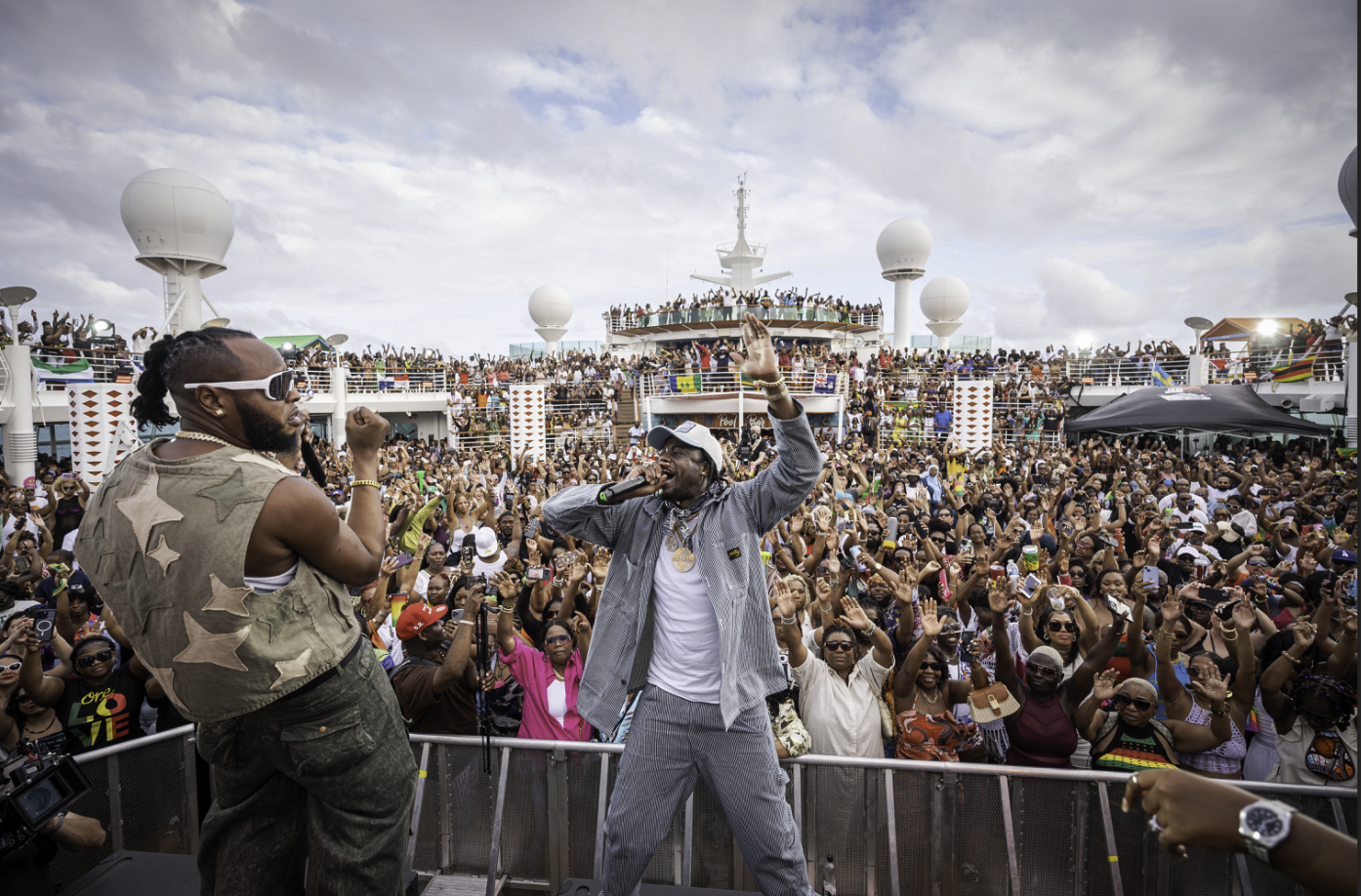
Jamrock crowd favorites Ding Dong & Ravers Clavers (pictured above) will return this year. (Photo: Tizzy Tokyo)
Jamrock reverses that journey. Instead of the music leaving Jamaica to find the world, the world boards a ship and sails toward Jamaica. The destination is no longer simply the backdrop to the event.
There will be parties, dancing, late nights and loud music, and there will also be early risings. There will be the sea stretching toward the horizon. The first notes of a Nyabinghi session. The clatter of dominoes. The anticipation before a sound clash. The strange intimacy of thousands of strangers discovering that they know the same song.
Somewhere between Miami and Jamaica, something else happens. A cruise becomes a cultural gathering, a living archive, and a vacation becomes a journey through generations of Jamaican expression.
That may be the real story of Welcome to Jamrock Reggae Cruise in 2026. That Jamaica, in all its rhythm, memory, contradiction and creative force, has once again found a way to make the ship feel like home, and when Norwegian Joy finally approaches Jamaica, the ocean will feel like the road that carried the music home.