Entertainment
Toronto Collides Into New Culture
“I thought this was a story about a festival partnership. It’s actually a story about where Toronto’s culture is going.”

Toronto has always been a city of collisions. Cultures smash into each other on the streetcar. Neighbourhoods lean against one another without apology. Generations argue and then pass the mic. Industries that once stayed in their lanes suddenly find themselves sharing the same stage. This summer, two of the city’s most influential institutions: North by Northeast and the Canadian National Exhibition, decided to collide on purpose.

What happens when one of Toronto’s sharpest music discovery engines runs straight into one of its biggest, oldest cultural machines?
The answer is a quiet redistribution of access, attention, and belonging.
NXNE has spent three decades hunting the artists who are about to matter. Daniel Caesar, The Beaches, Lizzo, Mac DeMarco, names that once played small rooms and left with bigger futures. The CNE has spent nearly a century and a half gathering families, newcomers, and lifelong locals under the same midways and bandshell lights. Mark Holland, the CNE’s CEO, put it plainly: music is a democratic mission. Connecting everybody to it is the point.

Photo Courtesy of Next Magazine
Michael Hollett, NXNE’s founder, saw the same opening from the other side. NXNE kicks off the summer. The CNE closes it. Why not let the discovery engine keep running all the way through August and into September? Why not give emerging artists a second, much larger stage after the clubs goes quiet?
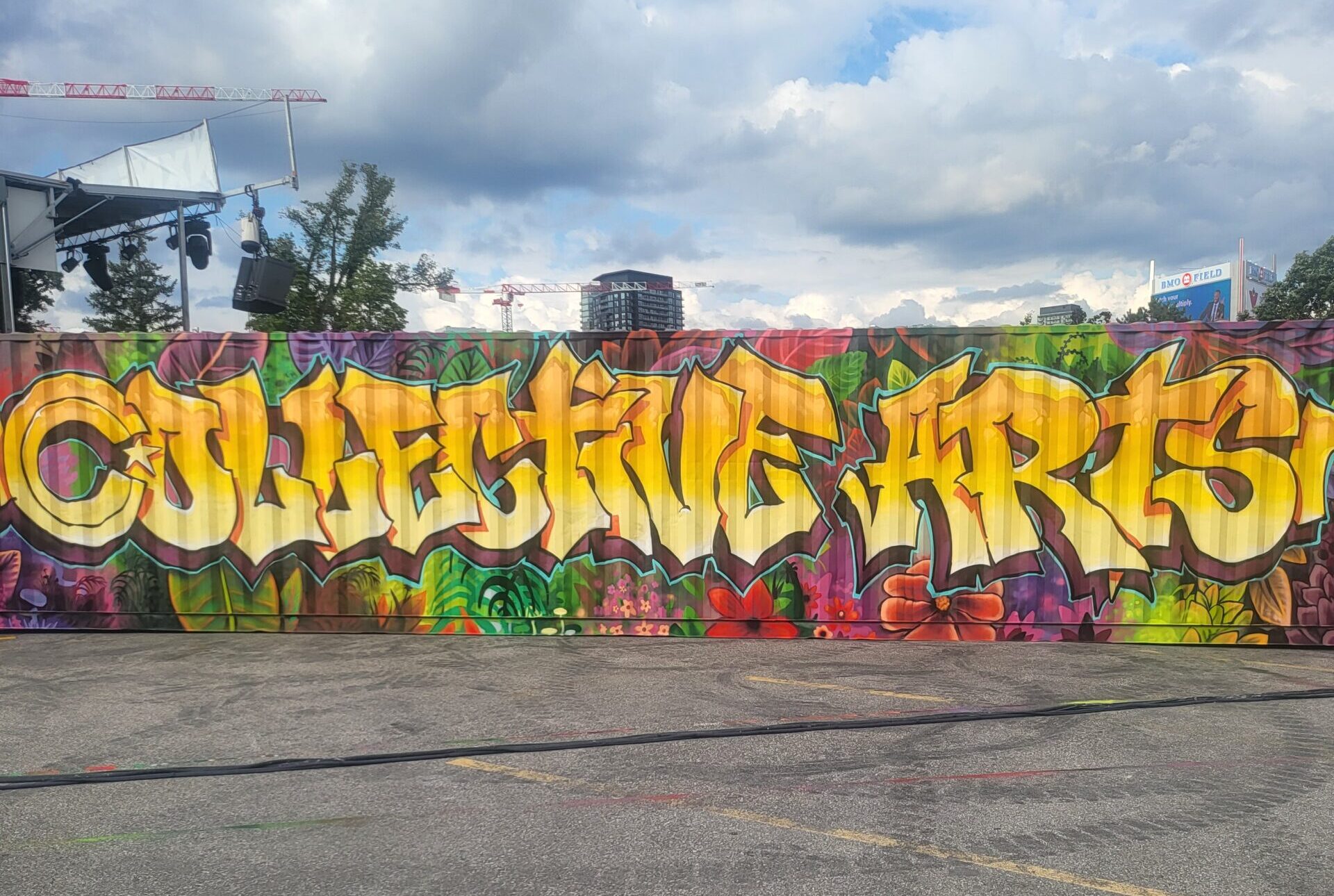
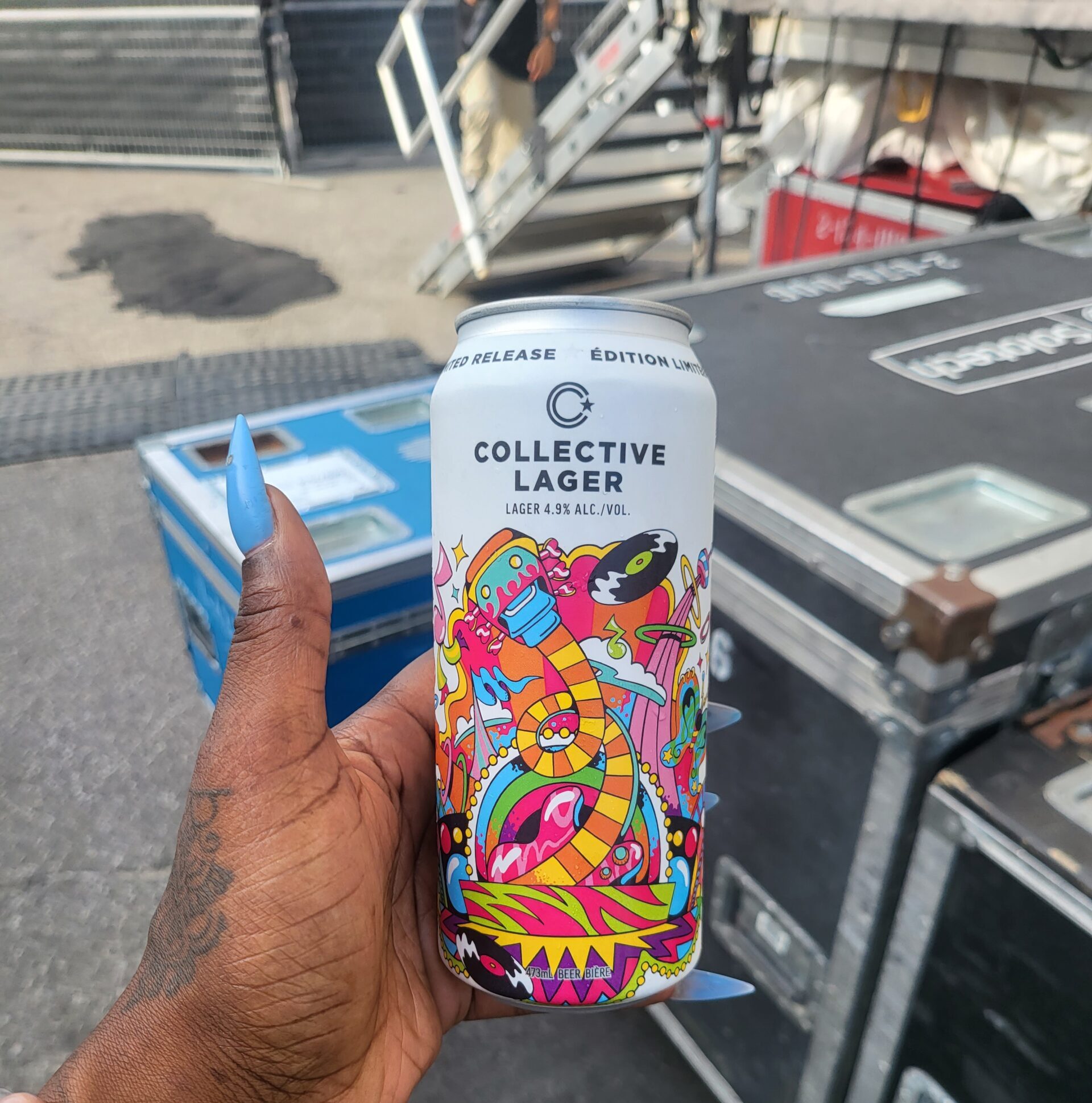
The new NXNE Stage at the Collective Arts Tap Yard, west of the Food Building, is the physical proof. Nearly sixty bands across the fair’s seventeen. Close to forty of them already played NXNE in June. Fans voted. Artists moved. The pipeline stayed open.
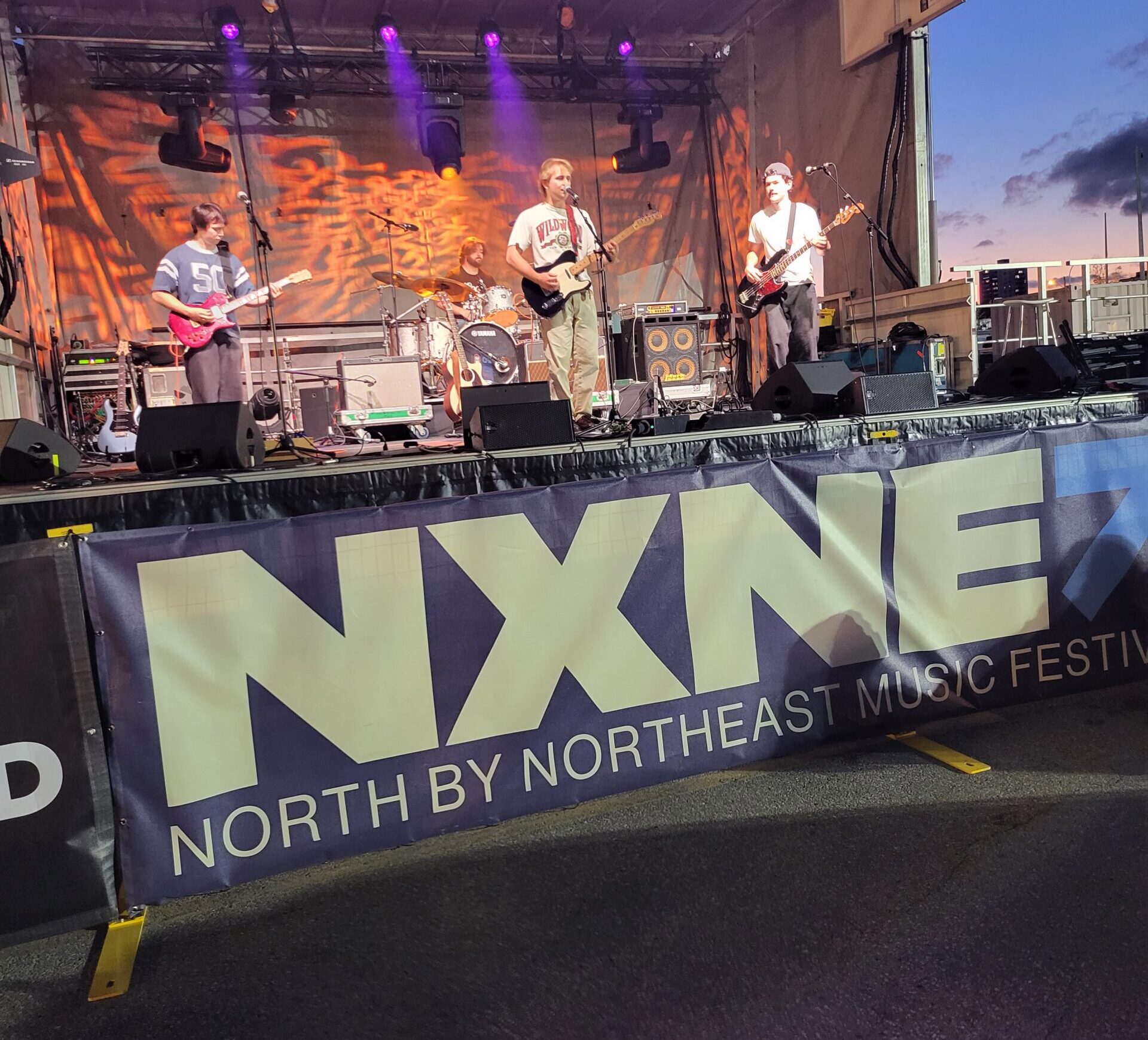

I watched one of those pipelines open in real time. The Sweetside Band walked onstage for their set and rewired something in me. I had heard of indie rock. I had never really listened. Their talent was not polished for the algorithm. It was present, human, and unapologetic. That is the NXNE gift: it expands the library of what a person is willing to love.


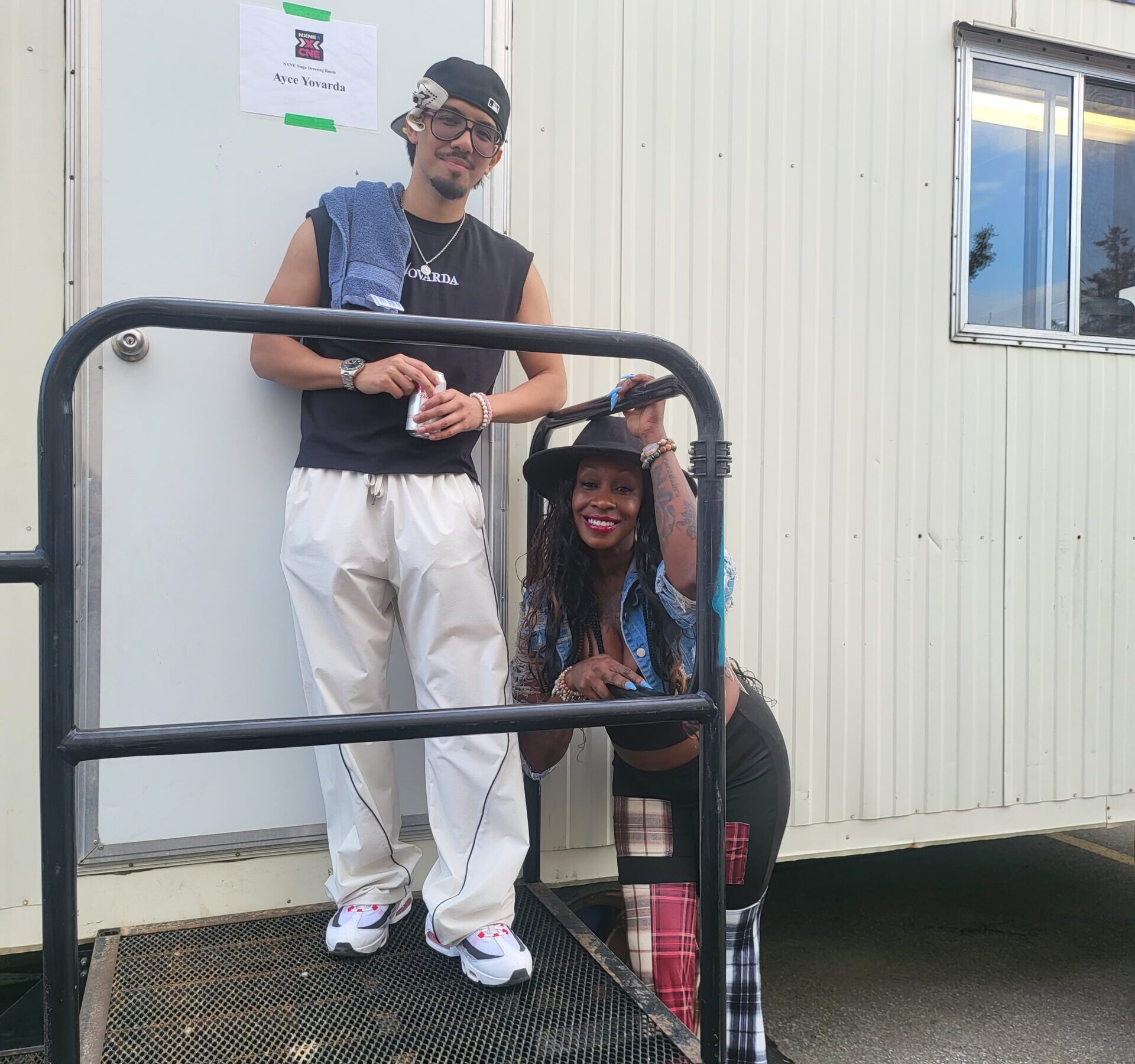
Behind the stages, the treatment of those emerging artists tells another story. Hospitality trailers with their names on them. Introductions that land like recognition. Post-set interviews that treat them like the main event rather than the opening act. Full VIP service that says, clearly, you belong here. For Caribbean, Black, immigrant, and multicultural artists who have long been central to Toronto’s sound but not always central to its largest platforms, that recognition matters.
Does this create real opportunity or just bigger marketing? Both can be true at once. The independent music ecosystem gains inspiration and a longer runway. Artists leave with new audiences who might never have found them in a Queen West basement. Families who come for the rides and the food leave with a song they cannot stop humming. The cultural economy of this city is about who gets heard, who gets claimed, and who gets to shape the next version of the place.

There is risk in any collision. Two established brands can simply trade audiences and call it innovation. They can expand the market without expanding access. They can treat community as content. The NXNE–CNE partnership does not automatically escape that danger. What it does is make the stakes visible. When a discovery festival and a national exhibition decide to share stages, the question becomes unavoidable: who is invited to the table after the lights go down?
Hollett speaks of discovery. The artists speak through the work itself. The audience: multigenerational, multilingual, still figuring out what Toronto wants to be, answers by showing up or walking past.
What happens after the partnership ends? No one knows yet. Maybe the NXNE Stage returns next year. Maybe it becomes something quieter and more permanent. The point is not permanence. The point is the revelation.

Toronto’s cultural economy is shifting. The old walls between festival and fair, between emerging and established, between downtown and everybody, are thinner than they used to be. When two institutions collide and choose to keep the doors open for the artists who still sound like the city itself, something larger than a lineup is being written.
This was never just a partnership story. It is a story about who gets to participate in the next chapter of Toronto’s sound, and whether that chapter will finally sound like the people who live here.