Health
The Hidden Cost of Holiday Diet Culture: When Food, Weight and Body Image Become Emotional Battlegrounds
“You don’t need an eating disorder to feel the effects of these messages.”

The holiday season is supposed to bring people together. Tables are filled with traditional dishes, kitchens become gathering places, and families reconnect over meals that carry generations of memories, but beneath the celebration, another conversation often takes place, one that can quietly undermine people’s mental health.
Comments about eating too much, jokes about holiday weight gain, conversations about dieting and unsolicited observations about someone’s appearance may seem harmless. Yet for people living with eating disorders, struggling with body image (body dysmorphic disorder) or recovering from disordered eating, these seemingly casual remarks can carry considerable psychological weight.
According to a November 12th article published by Deconstructing Stigma, an initiative presented by McLean Hospital, diet culture can affect everyone, not just individuals diagnosed with eating disorders. The message is particularly important during the holidays, when food becomes central to social gatherings and conversations about weight, appearance and New Year’s resolutions become increasingly common.

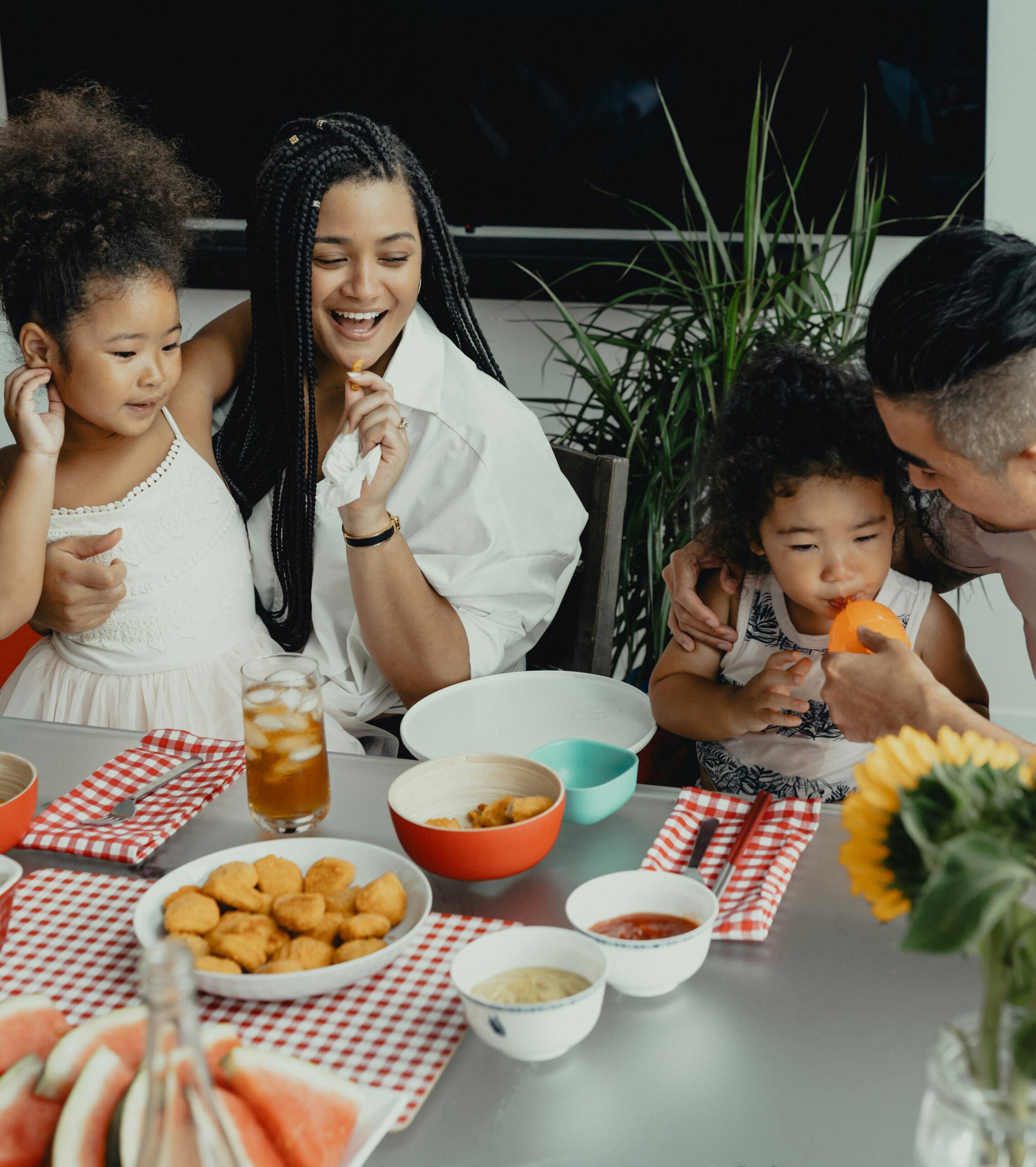
Photo Courtesy of Tyson
The problem extends beyond what is on someone’s plate. It is about the messages society attaches to eating, body size and self-worth.
Diet culture reinforces the belief that food must be controlled, bodies must be managed and individuals cannot be trusted to make their own decisions about eating. These beliefs can create cycles of guilt, restriction, anxiety and unhealthy relationships with food.
For individuals managing eating disorders, the consequences can be more serious. Casual discussions about calories, weight loss and restrictive eating can trigger symptoms and undermine recovery. Even wellness messaging can contribute to the problem. Social media platforms are saturated with transformation photographs, food-tracking videos and restrictive eating advice packaged as healthy living or self-care.
The growing visibility of weight-loss medications has added another dimension. Conversations about who is taking them, why they are taking them and whether someone should consider them can reinforce the assumption that smaller bodies are automatically better. The consequences are not always visible.Eating disorders affect people across genders, ages, body sizes and cultural backgrounds. Someone experiencing significant difficulties may receive compliments for behaviours that are actually symptoms of an underlying struggle.


The responsibility for creating healthier environments does not rest exclusively with people experiencing eating disorders. Families, friends and communities also have a role to play. Deconstructing Stigma recommends moving away from conversations about calories, dieting and physical appearance. Instead of commenting on someone’s weight loss or weight gain, people can ask about their experiences, accomplishments and hopes for the coming year. Concern for someone should also be expressed privately rather than across a crowded dinner table.
A simple expression of support can make a meaningful difference: letting someone know they are cared for, without demanding explanations or attempting to fix their circumstances.
For individuals struggling with their relationship with food, practical steps include eating regularly, challenging rigid food rules, choosing foods they genuinely enjoy and limiting exposure to social media content that encourages unhealthy comparisons. Professional support from therapists, physicians and registered dietitians experienced in eating disorders can also be important.


Photo Courtesy of Queensland, Australia
The National Alliance for Eating Disorders offers free support through its helpline at 1-866-662-1235.
Perhaps the most important lesson is that diet culture does not disappear when the decorations come down. It follows people into workplaces, friendships, family conversations and digital spaces. Its influence can shape how individuals evaluate themselves and how they perceive others. The challenge is to recognize the difference between supporting someone’s well-being and reinforcing shame, judgment and unrealistic expectations.
This holiday season, families have an opportunity to rethink what it means to create welcoming spaces. Sometimes the most meaningful gift is not another tradition or an elaborate meal. It is allowing people to sit at the table without feeling that their bodies, appetites or personal struggles are being evaluated.
Everyone deserves to experience belonging without having to earn it through the way they look.
Original source: Diet Culture Harms Everyone, Especially During the Holidays — Deconstructing Stigma, presented by McLean Hospital. Published November 12, 2026.
Editorial note: This article is an original adaptation of the supplied source, with additional narrative framing. The recommendations and support information are attributed to the original publication.