Social Justice
Sending money back home, but the rent is due
“A remittance is a household budget stretched across borders.”

Across the Caribbean, money sent from abroad may pay for groceries, light, a prescription, school supplies, or a child’s transportation. Economists call it a remittance. In a family’s life, it can be the money that carries a month through. The person pressing send may be in Toronto, working out what remains after rent, food, transit, childcare, and their own bills have been paid. A bill due in Scarborough can collide with a medical appointment in Kingston, tuition in Port-au-Prince, or a grocery list in Port of Spain. The calculation becomes immediate in both households.
During spring 2025, almost four in ten people in Canada reported difficulty meeting their household’s financial needs. Among immigrant respondents, 39.7 per cent reported that strain; the figure for Canadian-born respondents was 33.6 per cent. Those reports matter in a city shaped by migration, where households maintain commitments that stretch beyond one address, one paycheque, and one country.

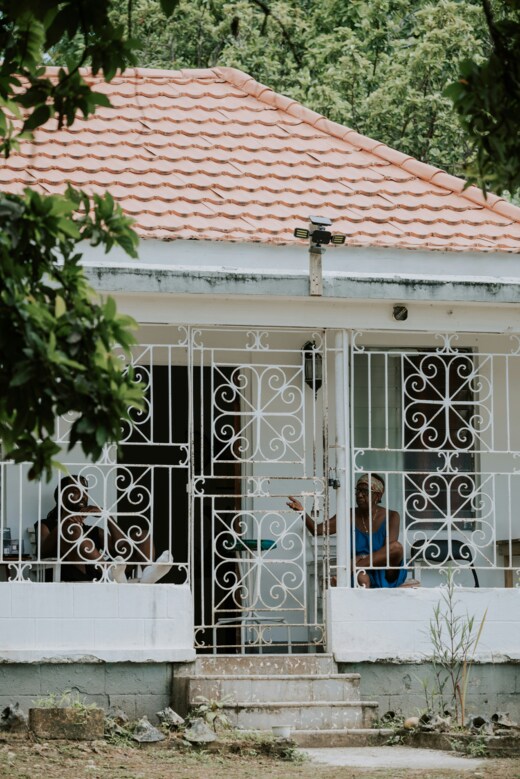
Photographer: Mieke Campbell
Financial strain becomes a well-being issue when it narrows our choices around food, housing, rest, and care. These are social determinants of health, the everyday conditions that shape health long before a person reaches a clinic. People reporting financial difficulty also described lower life satisfaction and less hopefulness about the future. For families spread between Canada and the Caribbean, one household budget may be carrying the pressures of several.
Caribbean countries were expected to receive US$20.883 billion in remittances during 2025, an increase of 9.2 percent from the previous year. Canada supplied an estimated 10.2 percent of that regional income, making it the second-largest identified source for Trinidad and Tobago, Haiti, and Jamaica. The United States supplied 50.4 percent. Those totals describe money reaching the region. They also describe a quiet labour of care carried by diasporic households, often through wages that must first cover life in Canada.


This leaves an important question open. The most detailed Canadian survey of money sent abroad tracked 2017 behaviour. It recorded CAD$5.2 billion in transfers from people born in countries eligible for official development assistance, with 37 per cent of respondents sending money abroad. Regional figures for 2025 show remittances arriving in Caribbean economies, while current Canada-to-Caribbean data remain too thin to show how rent, food prices, debt, or insecure work shape the amount people can send. A regular public picture of major corridors would move this discussion beyond assumptions.

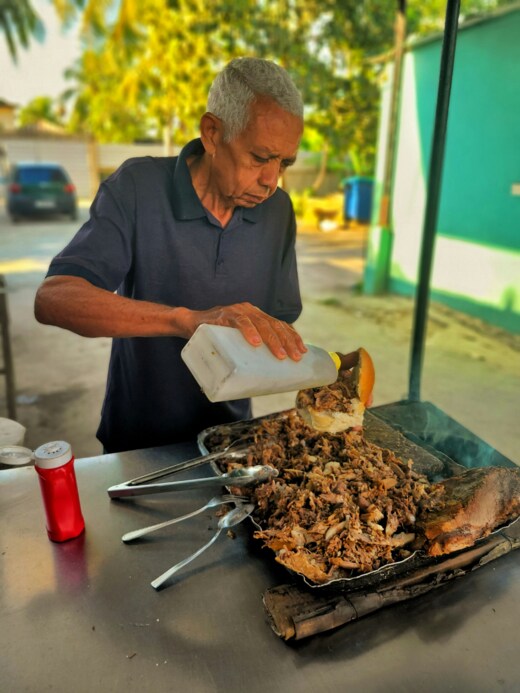
Photographer: Alex G
Research from Toronto gives the question a human scale; a 2021 study at one long-term care workplace found that some workers sent as much as CAD$15,000 a year to relatives abroad. Participants described paying for education and health care, alongside food and medicine. Some spoke of distress when they lacked enough to help. The study focused on one workplace, yet it shows how remittances can grow from responsibility, affection, care work, and unequal wages across countries.
Sending money also costs money. For a CAD$200 transfer to Jamaica in the third quarter of 2025, listed costs ranged from CAD$4.20 to at least CAD$13.92, depending on the firm and delivery method. A similar transfer to Haiti ranged from CAD$4.20 to CAD$17.10. Fees and exchange-rate margins decide how much reaches the grocery budget, the pharmacy, or the school bag.
Federal agencies should publish regular corridor data that show the number and size of transfers from Canada to Caribbean countries. Providers should make total costs clear before money changes hands. Caribbean governments can use better information to strengthen incomes, social protection, and affordable care for families receiving support from abroad.
The people who remit are often asked to keep two households afloat. Their labour deserves policies that recognize the full distance it travels.
Ika Washington is a community health specialist, critical health sociologist, doctoral student in health policy and equity, and a health and social development consultant.