Feature
New Podcast uncovers the systemic failures behind our missing Black Boys
“There is a pull on these kids that’s even greater than the parents’ love, a force pulling them straight into dangerous situations.” — Mark Kelley

Across urban communities in Toronto and Winnipeg, a disturbing pattern took shape long before reaching national news headlines. African/Caribbean teenage boys were quietly vanishing from their homes, leaving behind frantic families and unanswered questions.
Reports circulated rapidly across social media platforms, where parents and community members shouted from rooftops to raise alarms about their missing sons. Yet mainstream public awareness remained quiet. These disappearances marked an organized pipeline of exploitation. Adolescents as young as twelve were lured away from schools, sports teams, and families, and were transported hundreds of kilometres into remote areas.

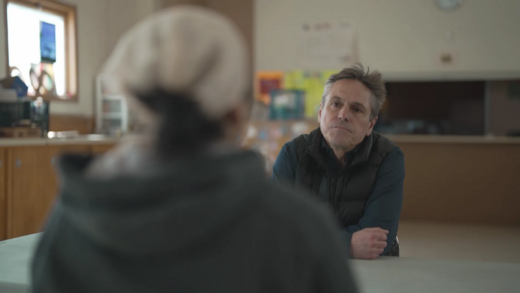
Photo Courtesy of CBC
CBC’s investigative flagship, The Fifth Estate, brought national scrutiny to this crisis with its documentary Missing Boys: Lured into Danger. Now that vital reporting expands into a four-part opening series on CBC’s podcast, When It All Went Wrong, hosted by Adrienne Arsenault to examine broken systems nationwide.
At the heart of these disappearances lies a calculated psychological grooming process exploiting adolescent vulnerability. Lead investigative journalist Mark Kelley tracked young lives caught within this web, revealing how handlers groom teenagers by capitalizing on their search for identity, stature, and purpose. Online platforms display curated images of stacks of cash, designer apparel, and swagger, offering impressionable youth a distorted model of manhood.


Photo Courtesy of CBC
Recruiters rarely fit stereotypes of seedy strangers under streetlights. Instead, grooming emerges from trusted circles: older peers, acquaintances, and leaders at neighborhood sports programs. Teenagers receive gifts, meals, and camaraderie, only to face sudden demands to repay artificial debts through illicit labour. In one case, a fifteen-year-old Brampton boy named JB Long was moved three thousand kilometres to a First Nations community in Saskatchewan on fake identification while his mother held his passport. Aging out at eighteen often forces youth to recruit younger boys as replacements.
For searching families, emotional agony is compounded by pervasive societal prejudice. Prevailing biases frequently dismiss missing African/Caribbean youth as troubled teenagers seeking criminal lifestyles. Investigative findings thoroughly dismantle this harmful myth. Many missing boys originate from loving, structured households where parents exhaust every available resource to safeguard their children.


In Winnipeg, a mother enrolled her twelve-year-old son in every accessible civic program, only for him to be recruited at a downtown basketball camp. Furthermore, fathers actively fight to rescue their missing sons from exploitation. As Mark Kelley observed, a manipulative pull exists that can overcome even a parent’s deepest love.

Photo Courtesy of CBC
These families, and many across Ontario navigate intense panic, monitoring sudden behavioural shifts, expensive possessions, or unexplained weekend absences. When young boys go OT (out of town) families face agonizing uncertainty, knowing their children face robbery, severe violence, or fatal harm in unfamiliar, high-risk environments.
The crisis exposes profound institutional blind spots within law enforcement, government agencies, and broader media coverage. While grassroots community networks urgently flagged the disappearance of half a dozen African/Caribbean youth from Toronto, official systemic responses lagged behind. Human traffickers leverage geographic isolation to minimize detection, moving vulnerable minors across provincial boundaries into remote northern settlements where police presence is scarce and oversight is minimal.

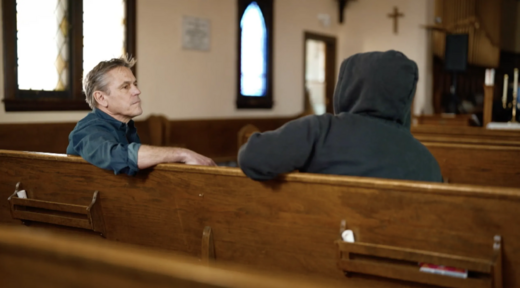
Photo Courtesy of CBC
Systemic failure to recognize these disappearances as organized trafficking allowed criminal networks to operate with relative impunity. By failing to intervene early or establish robust protective measures for marginalized African/Caribbean youth, institutions left vulnerable teenagers exposed to severe predatory exploitation. Raising public awareness requires and demands confronting systemic inequities, racial biases, and institutional neglect that enable such exploitation to flourish unchecked across our country.
Hosted by Adrienne Arsenault, When It All Went Wrong positions investigative journalism as an indispensable instrument of public accountability. Building directly upon The Fifth Estate’s initial reporting, the series examines broken systems through rigorous, character-driven narrative inquiry. The inclusion of extensive firsthand testimony, including hours of candid dialogue with a Winnipeg teenager recruited at age twelve, provides an unprecedented look inside the trafficking pipeline.
Adrienne Arsenault and Mark Kelley frame these personal tragedies within broader institutional failures, compelling listeners to confront uncomfortable realities about Canadian society. The four-part series refuses to sensationalize trauma, choosing instead to elevate the voices of grieving families and community advocates fighting for their children.
Ultimately, the investigation demands immediate accountability, challenging institutions and citizens alike to protect vulnerable African/Caribbean youth before another child vanishes into the shadows.