Featured Cover Story
Injured. Acknowledged. Unresolved.
“When you’re vaccine-injured in Canada, you’re abandoned; that is the reality.” Michelle Worton, testimony at the Allison Inquiry

This is not a victory lap. It is not an “I told you so.” It is not anti-vaccine. It is about people.
On September 18th, 2026, the Public Health Agency of Canada (PHAC) announced it had largely completed the core setup of the Vaccine Impact Assistance Program (VIAP), formerly the Vaccine Injury Support Program (VISP), and was now turning its attention to assessing more than 2,000 open claims and appeals still in the system.
That sentence: quiet, bureaucratic, almost forgettable, opens a door many Canadians did not know existed: the federal government formally recognizes that serious and permanent vaccine-related injuries can occur, and it has built a compensation system to respond.
The question is who gets recognized, how, and at what cost: in time, in trust, in lives interrupted.


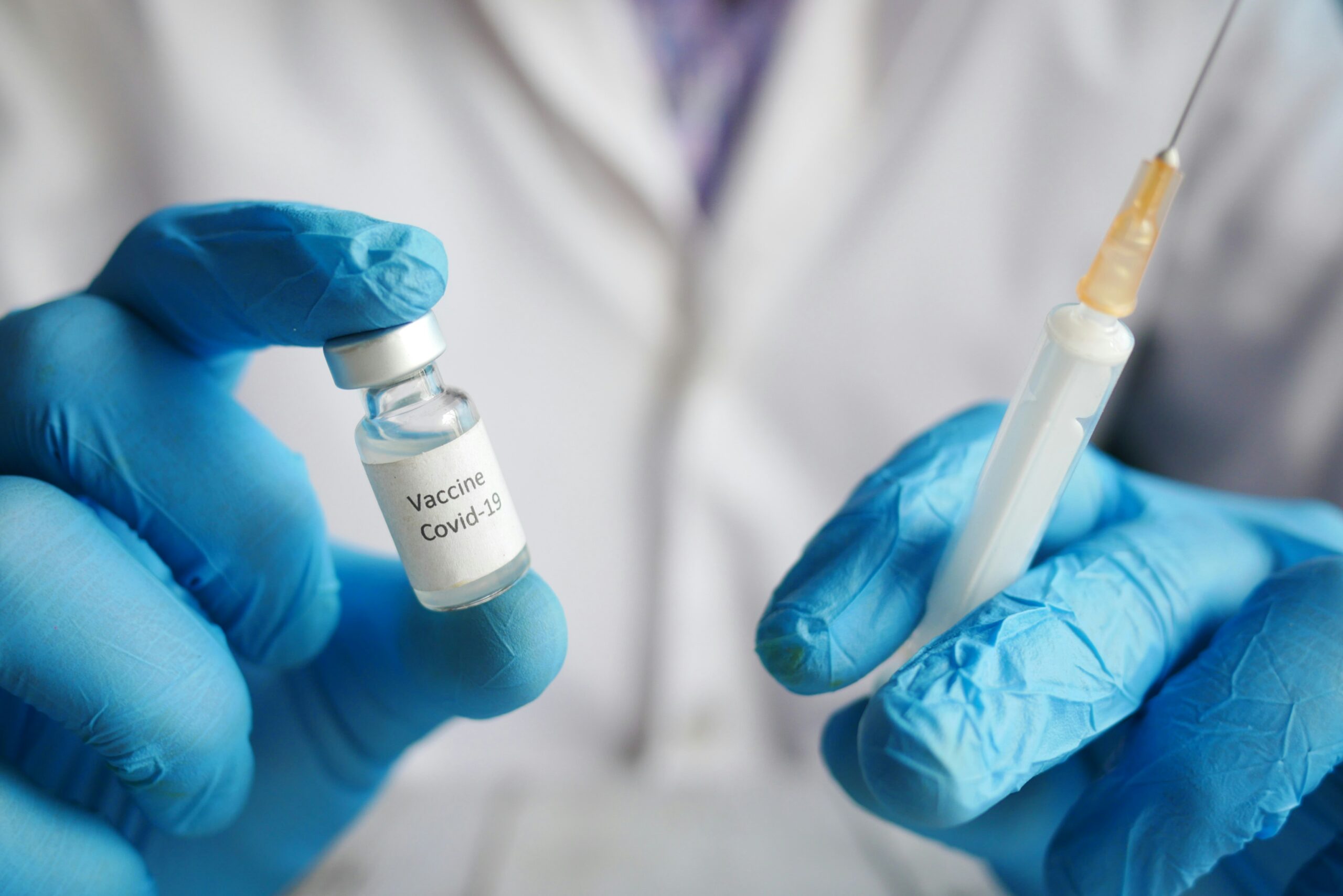
Photographer: Cht Gsml
The numbers that demand questions
Between June 1st, 2021, and November 30th, 2025, under the former VISP:
- 3,557 claims were received
- 3,018 were deemed admissible
- 1,433 had been assessed by the Medical Review Board
- 252 were approved
- 551 appeals were received
- 11 appeals had been approved
- More than $21.4 million had been paid in financial support
These figures represent real people: parents, workers, caregivers, who believed something went wrong after vaccination and sought help through a system designed for exactly that scenario.
Importantly, these categories overlap. A claim can be admissible but not yet assessed. An appeal can be pending while the original claim remains unresolved. The government itself warns against adding these numbers together as if they represent distinct groups.
When PHAC took over administration on April 1st, 2026, roughly 2,000 claims and appeals remained active. That backlog is the story.
Who gets through the door?
To qualify for support, claimants must show a serious and permanent injury following a Health Canada authorized vaccine, and a medical finding of a probable causal relationship. That phrase “Probable causal relationship,” is where many claims stall.
Of the 1,433 claims medically assessed by November 2025, 252 were approved, about 17.6% of those assessed. Among all claims received (3,557), approvals represent roughly 7%.
Carrie Sakamoto, who testified at the Allison Inquiry in early September, described herself as “One of the 0.01% people,” because she received a partial payout from the program. She and her husband lost their family farm while navigating five years of medical complications and bureaucratic delays.
Michelle Worton, co-founder of the nonprofit CANrise19, said her own VISP claim was rejected in September 2024 despite what she described as confirmation of vaccine injury. She told the inquiry she sold everything to pay for brain surgery in the United States after being dismissed in Canadian emergency rooms.
“I’m one of the 93%,” she said, referencing the rejection rate cited by advocates. Not everyone was rejected. Some were approved. Many remain in limbo.

Photographer: Towfiqu barbhuiya
The human cost of waiting
The government’s July update acknowledged “Frustration with delays and limited proactive communication” under the former administrator.
PHAC says it has since:
- Organized and validated transferred claims into a new IT system
- Launched a VIAP Claimant Portal on July 2nd 2026
- Sent updates to existing claimants via letters and information sessions
- Expanded public information on Canada.ca
- Posted the VIAP Policy Framework online, including guidance on how the program works


Under the new framework, injury indemnity can reach up to $329,759 (indexed annually), with additional support for income loss, treatment, rehabilitation, and in specified cases, a death benefit. For people waiting (some for years) those numbers feel distant.
Drue Taylor, a 36-year-old massage therapist from Alberta, testified virtually at the Allison Inquiry about living with a chronic condition while her claim moved through the system. Others described selling homes, draining savings, and relying on underground networks of doctors willing to treat them without fear of regulatory backlash.
One mother told the inquiry, “We were told no one would be left behind; instead, our lives turned into survival.”
What the system reveals
The existence of VIAP tells Canadians something important: the state acknowledges that vaccines, like all medical interventions, carry risk, including the risk of serious and permanent harm.
It also reveals how difficult it is to prove causation in individual cases, how long justice can take, and how easily people can fall through the cracks while waiting for answers.
The Allison Inquiry (chaired by Conservative MP Dean Allison over four days in September) heard from Canadians who said they were injured, dismissed, delayed, or denied. Some said they never applied to VISP at all, deterred by missed deadlines, lack of medical support, or belief that their claims would be rejected.
PHAC now says its focus is on assessing the more than 2,000 open claims and appeals, but key questions remain:
- How long have some claimants been waiting?
- What is the current average processing time?
- How many claims have been approved or rejected under VIAP since April?
- How many are still awaiting medical assessment?
- When will the promised public dashboard launch? [query context]
Until those questions are answered with transparent, up-to-date data, the system’s accessibility and responsiveness will remain in doubt.
Photographer: Louis Reed
Beyond the binary
This story does not fit neatly into “pro-vaccine” or “anti-vaccine” boxes. More than 59,000 adverse event reports were filed in Canada during the pandemic, including over 11,000 classified as serious. Only a fraction became formal claims. Of those, only a fraction were approved.
That gap (between reporting, claiming, and compensating) is where trust erodes.
Our publication has previously expressed strong concerns about vaccination policy. That history does not disappear here, but neither does it dictate the reporting. If evidence contradicts something we previously published, we must say so. If evidence strengthens a concern we raised, we show it, with data, not self-congratulation.
The goal is to follow the evidence wherever it leads, and to center the people living in the middle of it.
What readers should take away
By the end of this story, we want you to think:
- “I had no idea this program existed.”
- “I didn’t know the government recognizes a category of serious and permanent vaccine injury.”
- “I didn’t understand how difficult it is to establish causation.”
- “I want to know how many claims are being approved and rejected.”
- “I want to know what happened to these people.”
- “I want to know whether the system is working.”
That is the reaction we are seeking. Not “They told us so,” but “Now I see, I understand, and I want answers.”
This is not the end of the story. It’s the beginning of a deeper conversation, one that demands clarity, compassion, and accountability. When the state says “injured,” someone has to answer, “What happens next?”