World News
Indo-Caribbean Voices Reach Global Stage
“Promoting human rights begins with education, understanding where we came from, recognizing the experiences that shaped our communities, and ensuring those stories are not forgotten.”

There is a saying in many communities: if you do not tell your story, someone else will tell it for you.
For generations, the story of the Indo-Caribbean experience has often lived in family conversations, community gatherings, and cultural celebrations. It has been carried in memories, recipes, songs, and photographs. Yet too often, it has been absent from global conversations about history, identity, and human rights.
That is why the recent appearance of the Canadian Caribbean Indian Cultural Collective (CCICC) at the 2026 International Human Rights Summit at United Nations Headquarters in New York City matters. It is a moment of recognition for an entire community whose story deserves a place on the world stage.
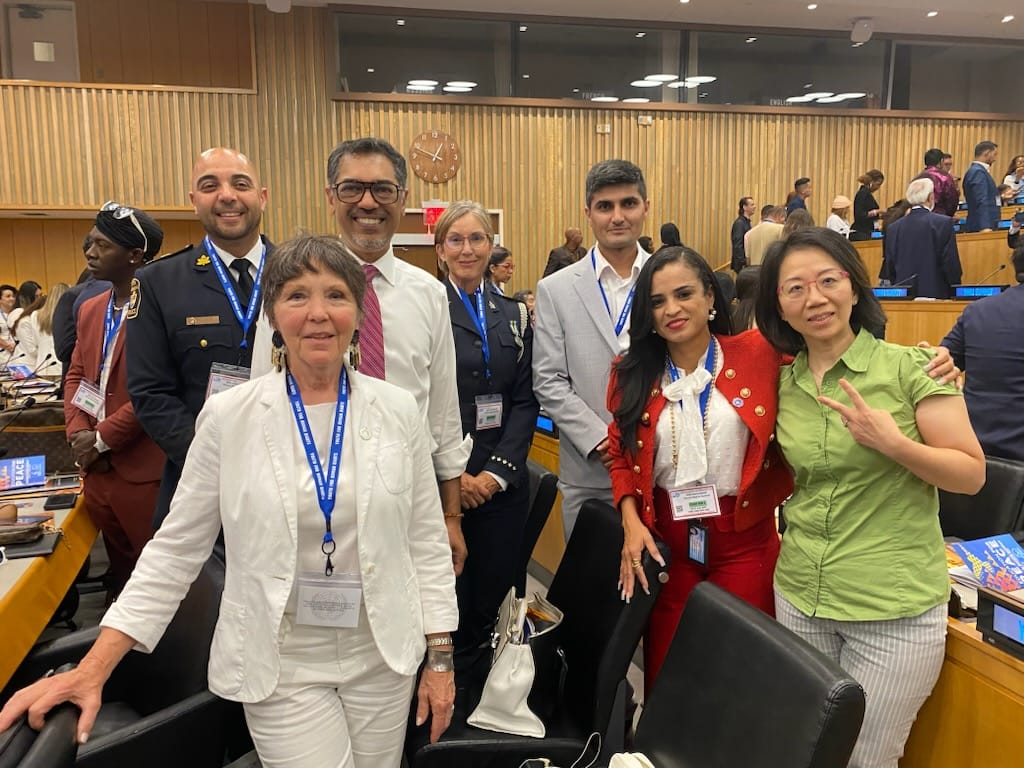

Representing the CCICC was Coordinating Director Peter Deboran, who joined educators, human rights advocates, and community leaders from around the globe on a panel exploring the future of human rights education. His message was both historical and deeply relevant to the present.
Director Deboran examined the connections between slavery, Indian indentureship, colonialism, and the precarious labour systems that continue to shape lives today. He challenged audiences to see history as a chain of decisions and systems whose impacts continue to ripple across generations. For many people outside the Indo-Caribbean community, the history of Indian indentureship remains largely unknown.


After the abolition of slavery, hundreds of thousands of Indians were transported across the British Empire and other colonial territories to work on plantations. While the system was often presented as voluntary labour, the reality was far more complex. It existed within colonial structures that benefited from exploitation and relied on many of the same institutions that had supported slavery.
Understanding that history is about understanding how those experiences shaped identity, migration, opportunity, and belonging. That complexity sits at the heart of the Indo-Caribbean story.
Today, many Indo-Caribbean families navigate multiple identities simultaneously. They carry Indian ancestry, Caribbean heritage, Canadian citizenship, and global perspectives. Their stories are shaped by resilience, adaptation, and the determination to build futures while honouring the past.

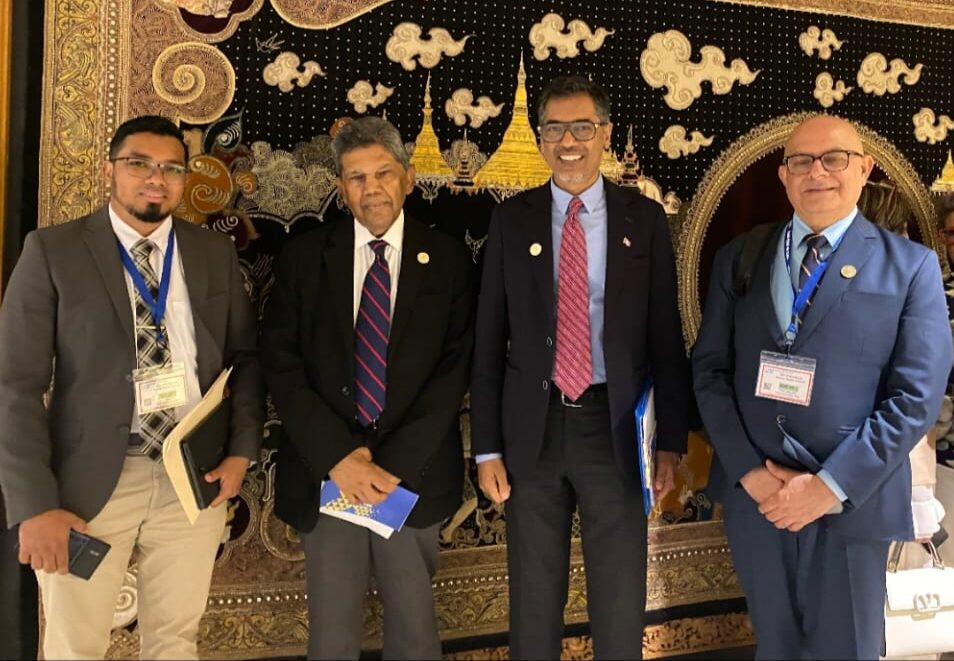
Photo Courtesy of Canadian Caribbean Indian Cultural Collective
The CCICC has made that work its mission. Through educational initiatives, cultural programming, community engagement, and its flagship publication Landfall, the organization is preserving stories that might otherwise be forgotten. Its annual heritage celebration in Markham brings together educators, artists, researchers, and families committed to ensuring that future generations understand where they come from.
What made the summit especially powerful was its reminder that the Indo-Caribbean experience is not an isolated story. It is connected to the journeys of countless communities affected by colonialism, displacement, and labour exploitation across the world. As Director Deboran noted, connecting these histories allows people to see both the pain and the resilience that unite humanity.

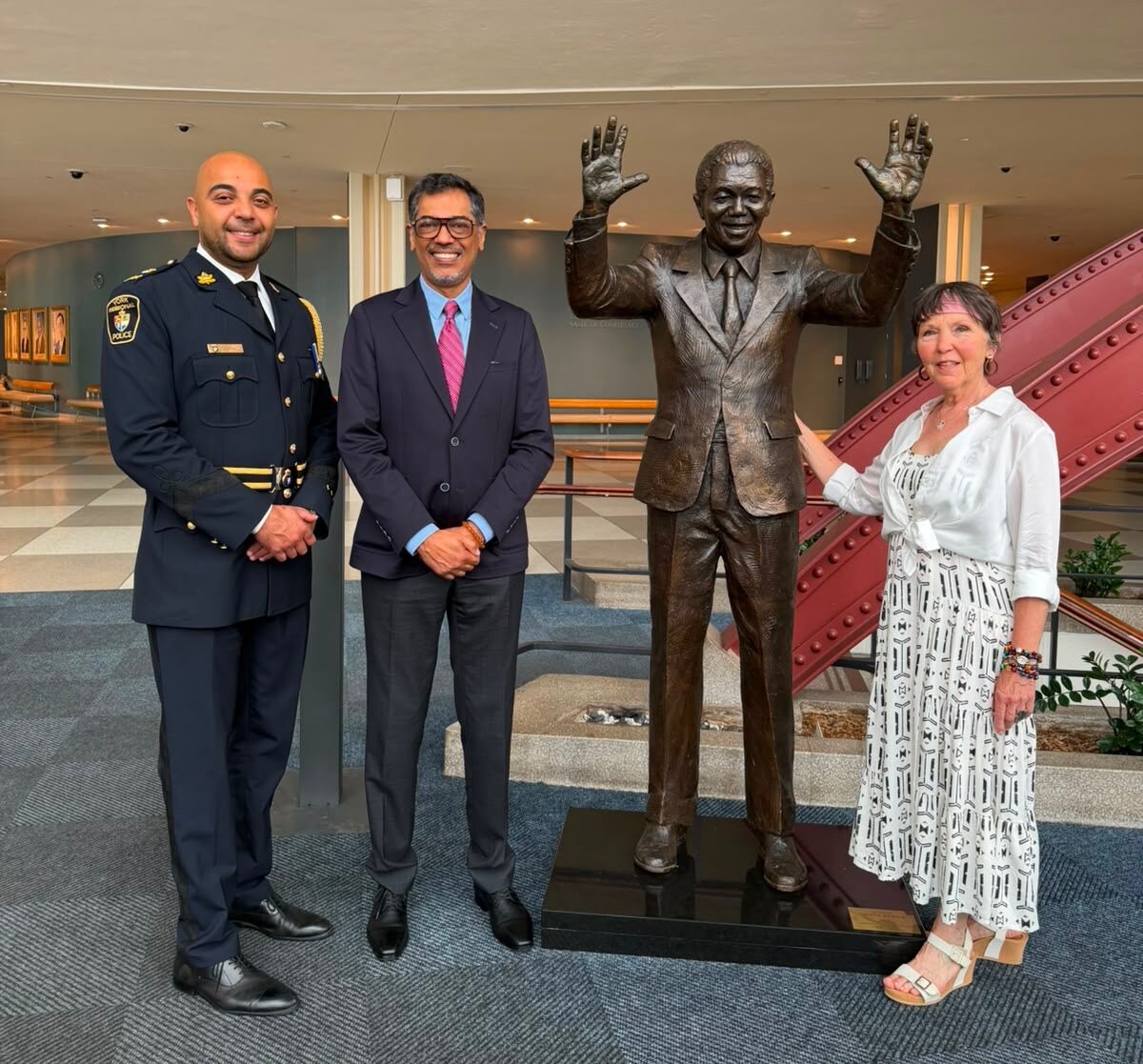
Photo Courtesy of Canadian Caribbean Indian Cultural Collective
In a world increasingly divided by misunderstanding, human rights education remains one of the most powerful tools we have. It teaches us that history is about the people standing beside us today.
The CCICC’s presence at the United Nations was about ensuring that a community’s voice, struggle, and contribution become part of a larger global conversation about dignity, identity, and human rights. Perhaps that is the most important lesson of all: when we understand each other’s stories, we begin to understand each other.