African History
Horace Ové’s Pressure Still Speaks Truth
“He did not carve out some glorious pathway that the rest of us then walked along. There was no path. He walked anyway.”

Frances-Anne Solomon met Horace Ové when she was 26, working on her first BBC documentary about Black British filmmakers, directed by Ingrid Lewis. They formed a bond that lasted years. Horace was courageous, wild, funny and fiercely determined. He had a big heart, a brilliant eye and an unmistakable Trinidadian swagger.
Where she comes from, they fear nothing, and swagger is their birthright.
Horace carried that confidence into his work. He was committed to telling our stories, even when the institutions around him seemed equally committed to keeping them out of sight.

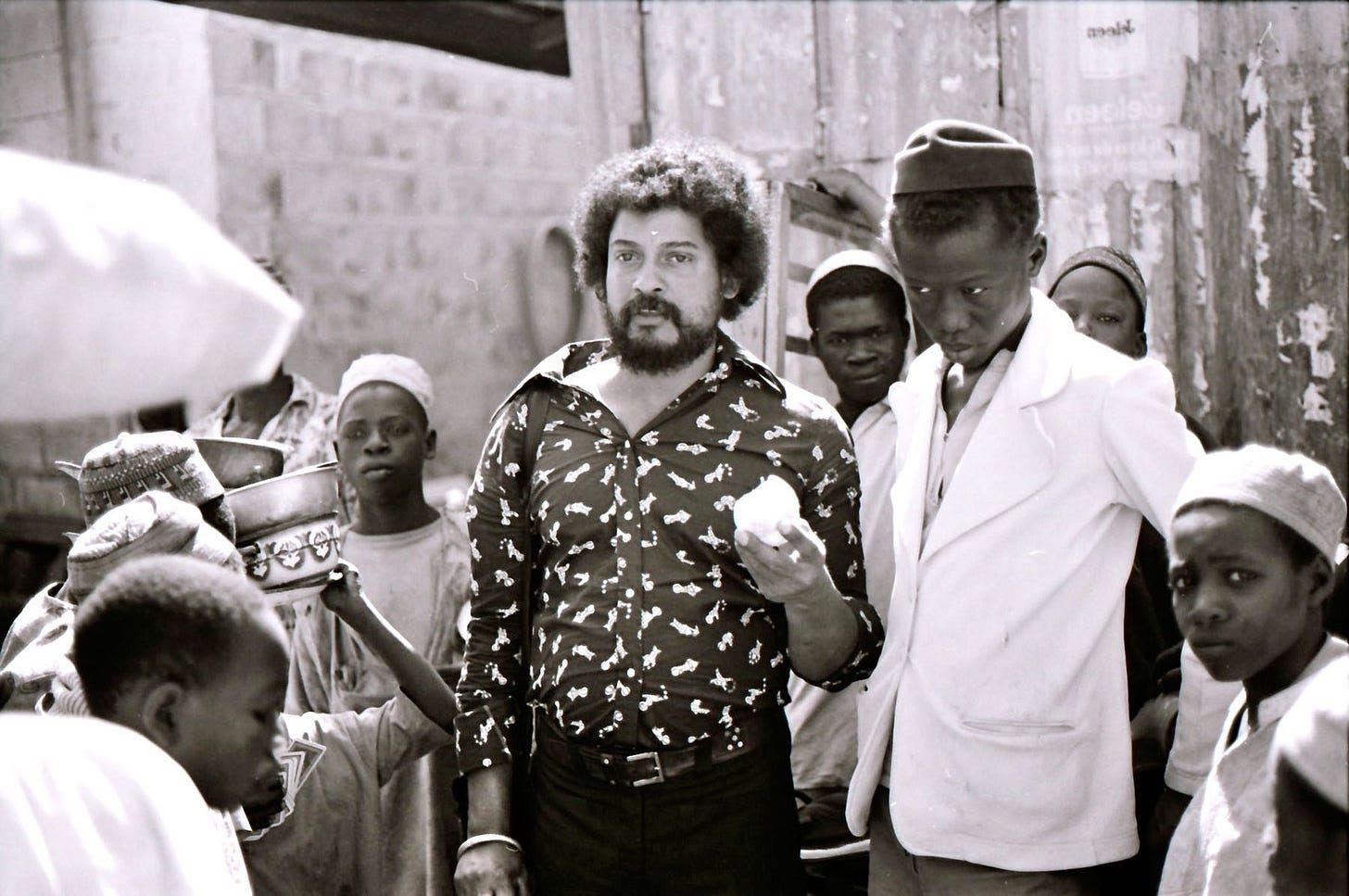
Horace Ove on set
What struck her about his filmmaking was his ability to capture the humanity, complexity and humour of Caribbean people. He did not explain us, simplify us or make us palatable. He showed people like you and me, trying to build lives in a society that refused to see us fully.
When Horace arrived in Britain in 1960, he became part of a generation of Caribbean artists determined to document and challenge the world around them. At a time when African Caribbean people had few opportunities to tell their own stories, he took that right for himself.
That was Pressure.
A FILM THAT REFUSED TO LOOK AWAY
The film follows Tony, the British-born son of a Trinidadian family growing up in London. His parents arrive in Britain expecting opportunity and a better life. Instead, they encounter racism, economic hardship and a society unwilling to welcome them on equal terms.
Tony belongs to another generation. Britain is his home, yet he must fight to find his place in it. His struggle exposes the contradictions of belonging to a country that does not fully accept you.

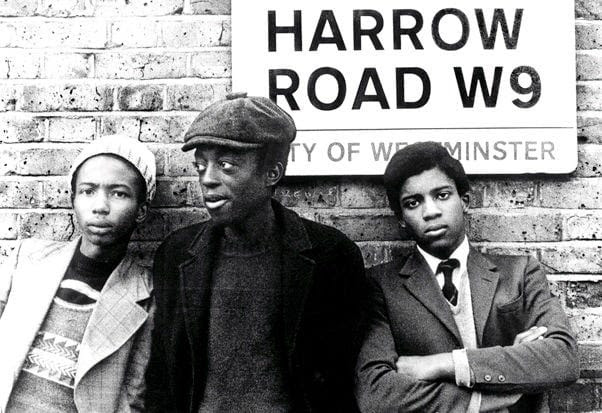
Still from the film ‘Pressure’ by Horace Ové
What makes Pressure so powerful is that it refuses to turn migration into a neat story of arrival, perseverance and eventual acceptance. It confronts the tensions of living between two worlds, where identity, opportunity and belonging are constantly contested.
This was not an outsider’s observation of African Caribbean British life. The film emerged from within the community, carrying the anger and frustration of its time alongside the confusion, resilience, contradictions and humour of Caribbean people making lives in Britain.
Apparently, that truth was too much.

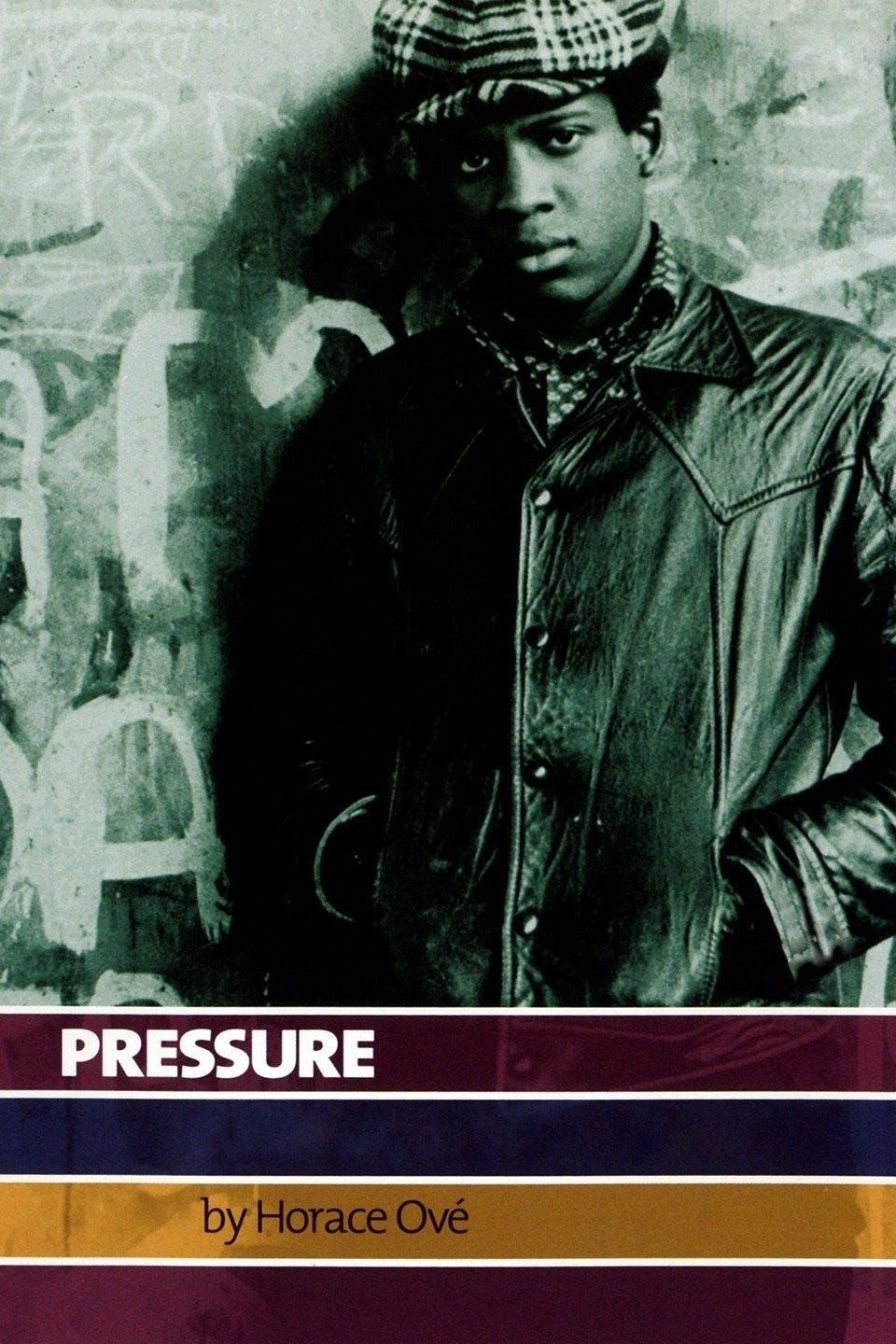
Photo Courtesy of THE WINDRUSH INTERNATIONAL
CARIBBEAN FILM FESTIVAL
The British Film Institute shelved Pressure for three years. Its depiction of racist violence was considered incendiary, and critics of the film questioned its objectivity. A film about a people struggling to be seen was itself kept out of sight.
Today, Pressure is recognized as a landmark of British cinema, and Horace is celebrated as a pioneer. History can be generous with its honours while being less honest about the doors that were closed along the way.
WHEN RECOGNITION CAME TOO LATE
By the 1990s, Frances-Anne was a drama producer at the BBC, working with independent filmmakers alongside the BFI. Horace was her friend, her elder, and a man of her parents’ generation. He was in his early fifties, overflowing with ideas and desperate to make more films.
She was working inside an institution with the power to commission his work. Horace hoped she could help him find a way around the exclusion he had experienced. She tried, but she could not get his films commissioned. Her bosses dismissed his work as “Not good enough.”

Frances-Anne and Horace in 1990
Think about that. Horace had already made Baldwin’s Nigger, Reggae, King Carnival, Pressure, A Hole in Babylon, The Orchid House and Dream to Change the World. He had demonstrated his talent and established a distinctive voice. Yet the doors remained closed.
Years later, Britain honoured him with a CBE and, eventually, a knighthood. He became Sir Horace Ové. By then, he had dementia and may not have fully understood the recognition being bestowed upon him.
Frances-Anne could not forget the years that came before.
Institutions evolve, and the people leading them today are not necessarily those who rejected Horace’s work. Exclusion belongs in his story just as surely as the knighthood does.


HE NEVER NEEDED THEIR PERMISSION
Horace did not carve out some glorious pathway that the rest of us then walked along. There was no path. He walked anyway. His example taught her something more complicated than the comforting idea that talent will eventually be rewarded. It taught her that we cannot allow institutions to determine the value of our voices.
When she began making her own films, she carried that lesson into rooms where people decided whether our stories were important enough, universal enough, commercial enough or simply “Good enough.”
Horace taught her to know that they always were.

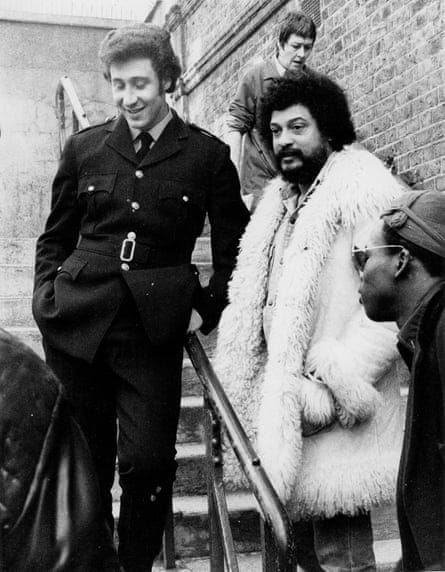
© Horace Ové (from HO archive)
Later in life, he returned to Trinidad to make one final feature on home soil, The Ghost of Hing King Estate. As dementia began to affect his later years, she found herself wondering how much those around him understood about what he was experiencing. A man who had spent a lifetime fighting to be taken seriously could become an awkward presence to those who did not understand what was happening. Life can be cruel that way.
In 2007, she invited Horace to Toronto for the second CaribbeanTales Film Festival. She wanted to honour him while he could still participate in the conversation. He was quieter than the man she had first met, but his gruff confidence and familiar twinkle remained.

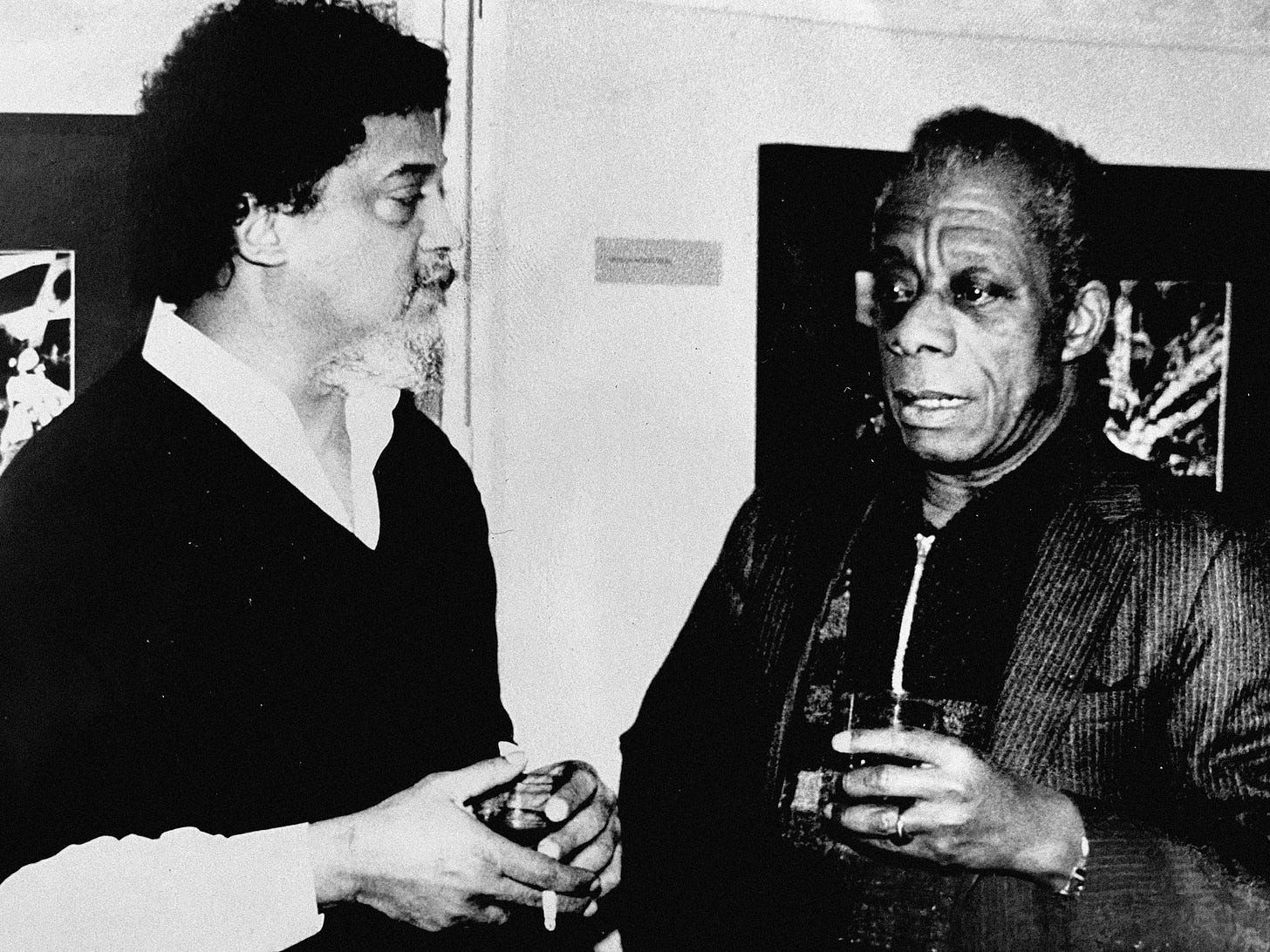
Horace with James Baldwin
After the festival, he told her, “Thank you. This is good.”
His last email to me said, “Let’s do it.”
Even then, he was thinking about the next film.
THE STORIES ARE OURS
This is why Frances-Anne created CaribbeanTales, and why the Windrush International Caribbean Film Festival matters to her. Preserving films is not enough. We must also protect the truth surrounding them: the people who made them, the communities they represent, the institutions that resisted them and the determination it took to keep creating.
Fifty years after Pressure, audiences have an opportunity to experience Horace’s work on the big screen again, alongside the voices of a new generation of filmmakers. She wants you to encounter the man behind it: larger than life, bullish, infuriating, funny, loving and always ready to fight his corner. His work remains alive because the people inside it are alive. They remind me of people I know, of who I am, of home.
They remind us that our stories do not become valuable when powerful institutions finally recognize them. They were valuable all along.