Sports
Creating opportunity through accessible community sport
“George Fowler and Dave Duguay let me play there six o’clock in the morning or 10 o’clock at night when the courts were available for free because I couldn’t afford it.”

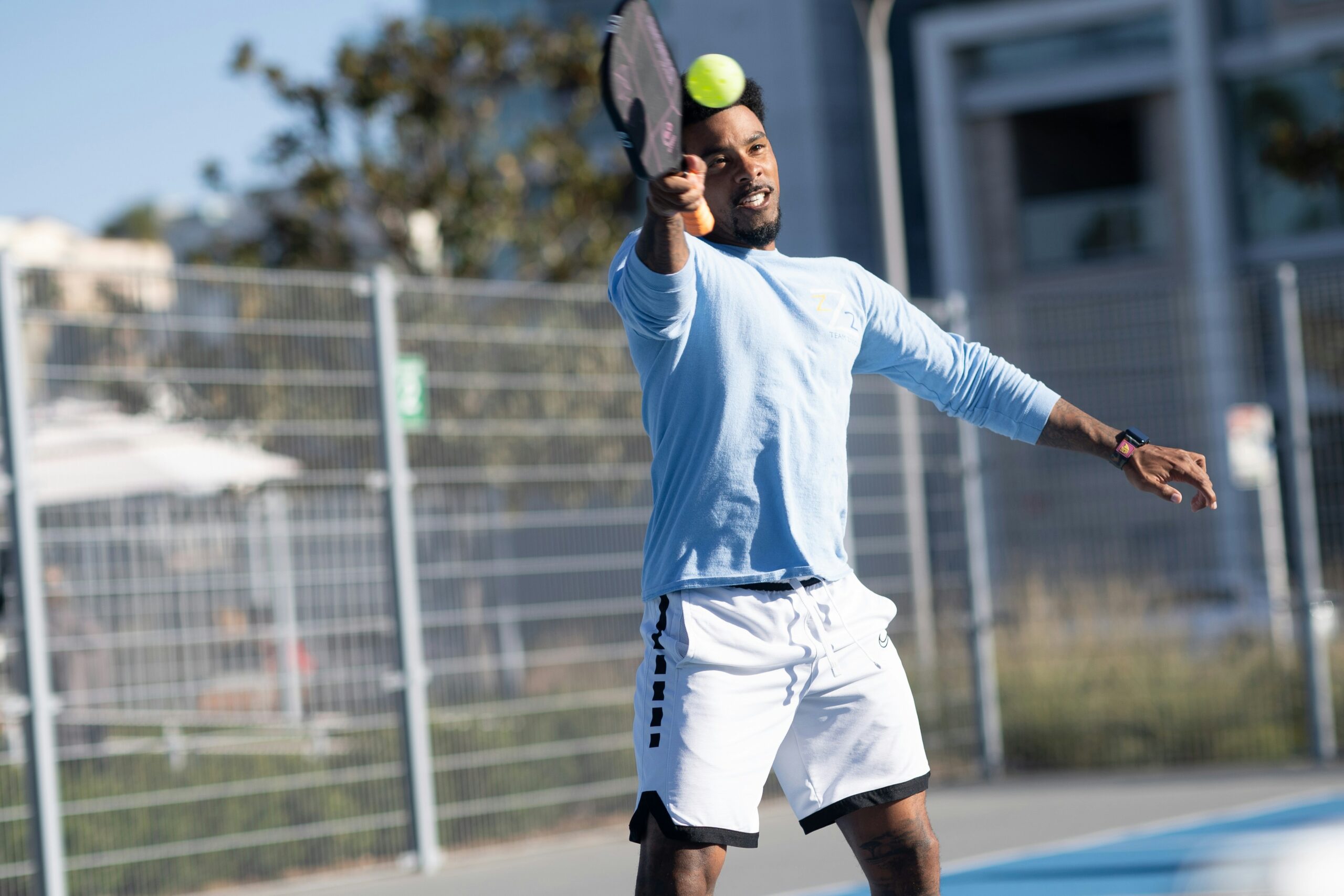
Racquet sports have long carried an aura of exclusivity, traditionally perceived as elite pastimes reserved for affluent communities with private club memberships and substantial financial resources. Yet across North America and the Caribbean, a quiet cultural shift is underway. Tennis participation has surged for six consecutive years, seeing dramatic gains among communities of color. African Canadian, and African American participation alone grew by over 450,000 players (a 14% increase) in a single year, alongside a 12% rise among Hispanic and Latino players. Concurrently, pickleball has exploded across the region as a high-growth, low-barrier sport that welcomes players of all ages and athletic backgrounds.
At the center of this movement is Karl Hale, a former Jamaican Davis Cup player and long-time tournament director of Canada’s National Bank Open. Karl is actively reshaping who gets to play, who gets excluded, and why.


Photo Courtesy of Karl Hale
For generations, the practical barriers to racquet sports have been steep: high court rental fees, expensive equipment, private coaching rates, transportation, and a lack of early exposure. These obstacles effectively lock out young people from working-class or marginalized neighborhoods before they ever pick up a racquet. Karl understands these systemic hurdles intimately.
Born in Falmouth, Jamaica, and migrating to Canada at age ten, he was raised by a single mother in low-income housing near Peanut Plaza in North York, Toronto. His family did not own a car, and private club fees were entirely out of reach.
His life trajectory shifted through a deliberate act of community access. At age thirteen, club managers George Fowler and Dave Duguay at the North York Tennis Association permitted Karl to play for free during unscheduled court hours: at six in the morning or ten at night. That early opportunity unlocked an athletic journey that led to an NCAA Division I scholarship at the University of New Mexico, a professional playing career in Japan, and nearly two decades directing one of the premier tournaments stops on the ATP and WTA tours.


Recognizing that athletic potential is universal, but opportunity is not, Karl built his business model around paying that initial break forward. As Founder and CEO of Premier Racquet Clubs (PRC), he operates GTA facilities across Mississauga, Markham, Brampton, and Toronto, with three new entry-level clubs opening to expand affordable access to tennis, pickleball, and padel. Rather than treating community outreach as a side project, PRC builds direct structural partnerships with grassroots youth organizations.


Photo Courtesy of Karl Hale
In Markham, PRC sponsors the Markham African Canadian Caribbean Association (MACCA) to provide youth with free court access and instruction. In Brampton and Mississauga, PRC collaborates with ResQ Youth Caribbean to deliver cost-free programming tailored to kids who would otherwise be priced out.
While archived media transcripts capture the operational framework of these partnerships rather than individual participant interviews, the tangible impact on local youth is far-reaching. By removing financial gatekeeping, MACCA and ResQ now offer young participants a vital doorway to personal growth. Beyond forehands and backhands, access to racquet sports equips youth with essential life tools: physical fitness, mental resilience, discipline, mentorship, and strong community relationships.

Photographer: Jon Matthews
Inspired in part by trailblazers like Serena Williams, an increasing number of Caribbean youth are taking to local courts, discovering sports that foster whole-body health, neurological engagement, and lifelong wellness.
This movement connects local community empowerment directly to the broader evolution of racquet sports. When tennis and pickleball transition from restricted amenities to accessible community hubs, sports stop being defined by who can afford to enter the room. By deliberately opening doors for young people who might otherwise be excluded, Karl and his partner organizations demonstrate what becomes possible when access is guaranteed: youth gain health, confidence, and the opportunity to discover their true potential