African History
Canada’s Emancipation History Demands Accountability
“Recognition, however, is not the same as repair.”

Canada likes to tell a story about freedom, but every Emancipation Day asks a harder question: freedom from what, and freedom for whom?
That question sits at the centre of a new advocacy statement from the OPSEU/SEFPO Coalition of Racialized Workers (CoRW), which is calling on the federal government to acknowledge Canada’s role in the trafficking and enslavement of Africans, explain its abstention from a recent United Nations resolution, and address the inequalities that continue to affect African Canadians.
The argument is that institutions inherit histories, and sometimes, the consequences of those histories.
Canada’s history of slavery is not a footnote to American history. Parks Canada records more than 4,000 enslaved people of African descent in the French and British colonies that became Quebec, Ontario, Nova Scotia, Prince Edward Island and New Brunswick between about 1629 and 1834. Enslaved people were treated as property, their labour exploited and their lives constrained by violence and law.
In 1793, the resistance of Chloe Cooley, an enslaved Black woman forcibly transported toward the United States, helped prompt Upper Canada’s legislature to restrict the further importation of enslaved people. The law did not immediately free those already enslaved. Slavery was abolished across most of the British Empire in 1834.

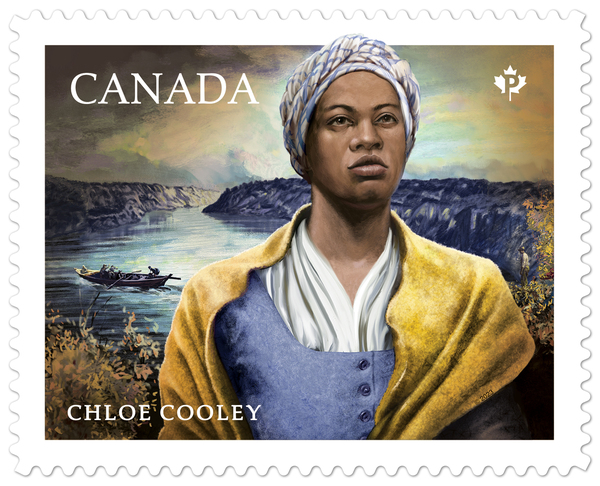
Photo Courtesy of cpa.ca
Legal freedom did not erase inequality.
That distinction matters. Canada formally recognized August 1st as Emancipation Day nationally in 2021, after years of advocacy led by figures including Rosemary Sadlier and the Ontario Black History Society. Toronto recognized the day in 1994; Ontario followed in 2008.
Recognition, however, is not the same as repair.
For CoRW, this history is also a workplace issue. The coalition argues that anti-African racism cannot be separated from questions of decent work, pay equity, employment security, protection from discrimination, advancement and access to leadership.
That moves the conversation from the past into the present.
What does historical inequality look like after slavery has ended? Sometimes it looks like unequal access to opportunity. Sometimes it appears in who gets hired, promoted, protected, or heard. Sometimes the pattern is difficult to see because no single decision explains it.


This is why systemic racism requires institutions to examine how rules, practices and cultures can produce unequal outcomes, even without an explicitly racist intention.
Then comes the question that has intensified the debate: Canada’s vote at the United Nations.
On March 25th, 2026, the UN General Assembly adopted Resolution 80/250, declaring the trafficking of enslaved Africans and racialized chattel enslavement of Africans the “Gravest crime against humanity.” The resolution passed 123–3, with 52 abstentions. Canada abstained.
The vote does not, by itself, explain Canada’s reasoning. That is precisely why CoRW is asking the federal government to explain its position publicly.
It is a legitimate question in a democracy: What did Canada’s abstention mean, and why was that position taken?
The coalition is also asking for a formal acknowledgement and apology for Canada’s historical role in slavery, alongside concrete action addressing racial inequity in workplaces and communities.

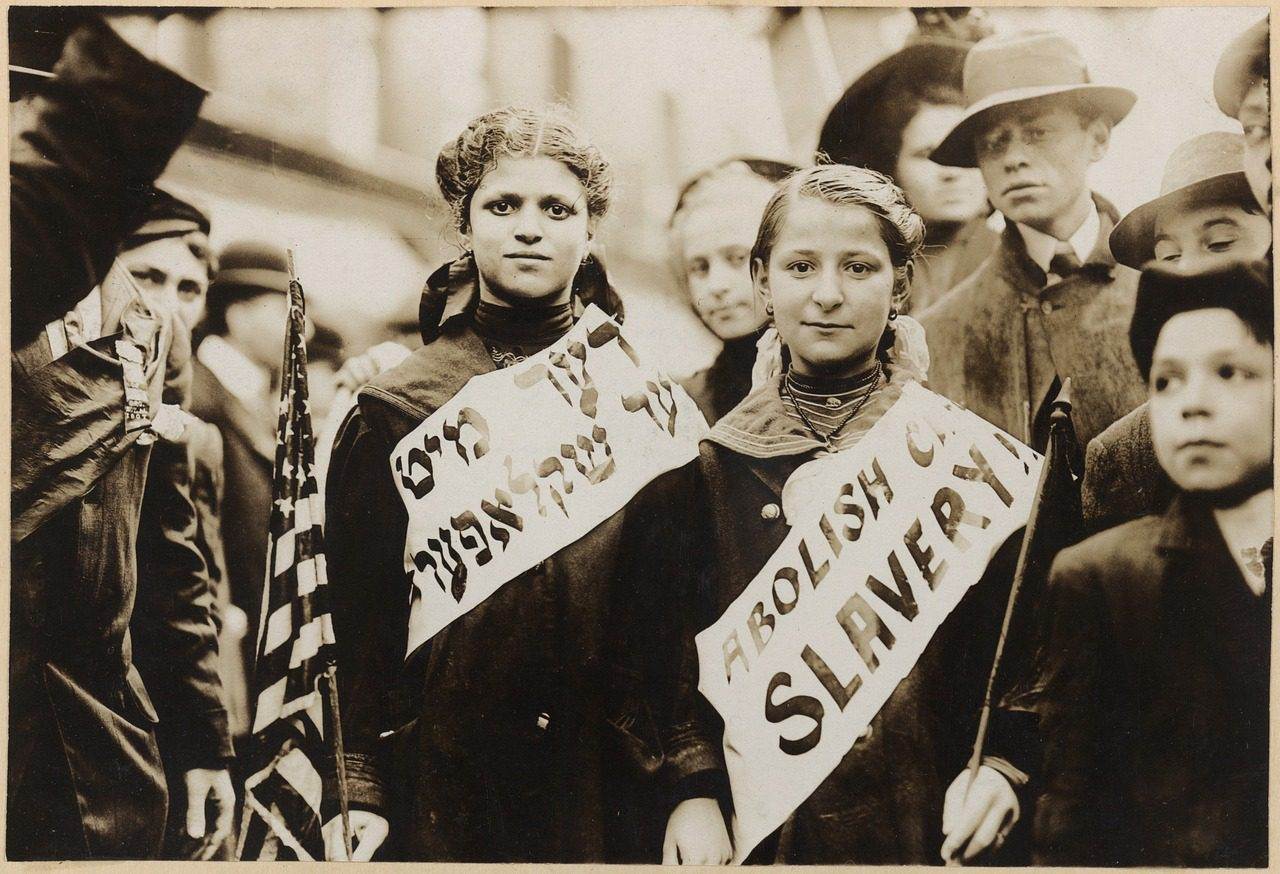
Photo Courtesy of icycanada.com
Those demands place responsibility where the coalition believes it belongs; on institutions deciding what they are prepared to recognize, measure and change.
Emancipation, after all, was a turning point. The question now is what a country does with the history it has finally agreed to remember.
Canada has moved from silence toward recognition. The harder work is determining whether recognition can become accountability, and whether accountability can become measurable change.
Remembrance without reflection becomes ceremony, and reflection without action becomes performance. The challenge is to make history useful: not as a weapon for assigning inherited guilt, but as evidence for understanding how yesterday can still shape opportunity today.