News & Views
Black OPP Officers call for independent investigation
“I don’t believe what happened to me was only about me.”

Several Black officers are calling for an independent investigation into what they describe as racist treatment within the Ontario Provincial Police (OPP). They allege they were disciplined for conduct tolerated among White colleagues and dismissed during probation.
They say their accents were treated as performance deficiencies and complaints raised internally were dismissed.
According to the officers, each was one of no more than two Black officers. All three left the force within a year. They want Ontario’s Inspector General of Policing to examine whether probationary assessments are being used to conceal discrimination and push Black recruits out.
The Inspector General’s legislative mandate began April 1st, 2024. The office has oversight of the OPP. I spoke with two officers, whose identities are being withheld at their request.

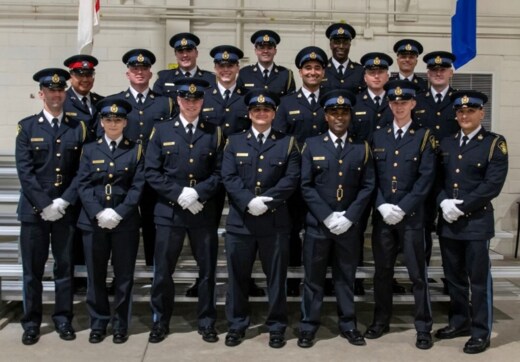
Royalty free OPP
I began with Peter, who questioned why the force would recruit Black applicants if it did not want them to succeed. “If they do not want Black officers, why would they waste our time? Why would they take us through the interview process? Take us through the academy? We lost our jobs; we came on board just to help the community,” he said.
“Derailing people’s careers is not fair, especially on flimsy excuses like the way you speak, because for someone to have an accent is as a result of that person speaking more than one language,” he added.
Asked what might motivate the hostility he described; Peter suggested resentment toward educated Black recruits could be a factor. He also made broad comments about colleagues’ education and exposure to other cultures. These are his views and allegations, not independently established findings.
Peter questioned how police could serve and protect the public while, in his view, discriminating against their own members.
He said he was referred to a newcomer centre because supervisors questioned his ability to communicate. He feared refusing to attend would affect his evaluation. Recalling the experience, he said: “Oh my God, this is what I have been reduced to.” He said he cried in his car on the drive home.


Peter also said supervisors questioned the smell of his native food, his driving and his use of GPS. A driving instructor, he recalled, questioned the referral. Peter described the experience as an elimination process rather than training.
He wants culturally informed coaches for recruits. Peter is currently on stress leave. His advice to Black people considering a career with the OPP was one word, “Don’t.”
My next conversation was with John, whose account closely echoed Peter’s.
“I spent more than a decade in the human service field, working with people most of us walk past; people without homes, people struggling with their mental health, young people who needed someone in their corner,” John said.

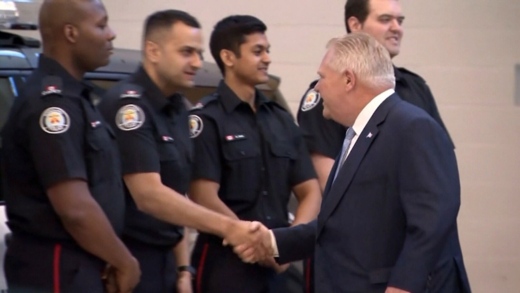
ON Police Officer royalty free
John said his driving was questioned and his driving privileges removed for several weeks without explanation. After a positive evaluation, he said, the privileges were restored the same day, still without a clear explanation.
John also said his accent became an issue. He said concerns about his performance damaged his record, which took a formal meeting with human resources, a union representative and a senior officer to correct.
Two weeks before his probation ended, he was dismissed. “I was told, ‘I was not a good fit.’ What it really meant was that I didn’t belong,” he said. “I don’t believe what happened to me was only about me.”
John believes his experience reflects a wider problem in how people who do not look or sound like those assessing them are evaluated. He said probationary records can make decisions difficult to challenge.
Both men hope an independent review will establish what happened and help ensure Black recruits can serve with dignity and be assessed fairly.
Their accounts raise serious questions about consistency, cultural competence and accountability in police recruitment. Those questions deserve a thorough, impartial examination.