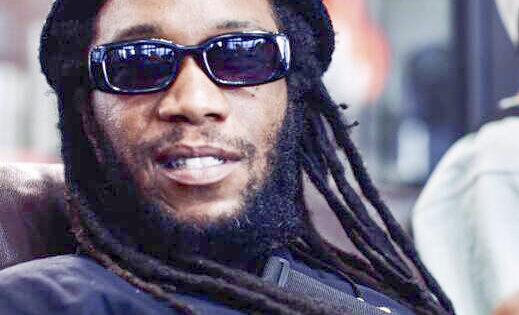


In the late 1980s, an eighteen-year-old mother stepped off a plane at Toronto’s Pearson airport holding five hundred dollars, no Canadian family connections, and a two-year-old boy in her arms. Behind them lay Belize City; ahead lay the frigid concrete of Toronto’s East End.
When the boy’s father joined them shortly after, running from his own troubles back home, he crossed the border to come and join his family here in Canada. That toddler was Asun Eastwood. Today, he stands as one of underground Hip Hop’s most uncompromising voices, but before he was selling vinyl worldwide, he was a child navigating the brutal contradictions of migration, survival, and belonging.
Origin: The Cowboy Country and the Concrete Co-op
Belize is an anomaly; the only English-speaking nation in Central America, a cowboy land of untouched coral reefs, unpaved streets, and a fierce resistance to foreign corporate chains. Asun’s roots run deep into its cultural soil: his paternal grandfather played marimba in Belize City, while his maternal grandfather served as a high school principal and politician.
Yet, Toronto offered no gentle welcome. Settling initially near Regent Park and later moving into East End government housing, tragedy struck early. While under the care of local babysitters who struggled with addiction, the toddler was severely physically abused; burned with hot soup and robbed. The trauma silenced him; he stopped speaking entirely for nearly two years.
Photographer: DJ Mercilless
Stability came slowly through community solidarity. A family friend took in Asun and his mother in Malvern. His mother worked two jobs while launching her own business. Briefly sent back to Belize for fourth grade in the British school system, Asun absorbed the rhythm of folk songs, punta, and local brass bands, forging an unbreakable bond with his homeland
As he grew up in Toronto, music was not Asun’s primary obsession. His nickname “Asun” (given by his parents) was paired with “Eastwood” in homage to Clint Eastwood’s raw cowboy persona and his own East End roots. His early ambition was basketball. Starting at age four at S.H. Armstrong community gym in the West End, he competed against older men and future Canadian basketball pioneers.
When his family bought a home in Pickering prior to ninth grade, he felt uprooted. Then, in tenth grade, an Ontario teachers’ strike abruptly canceled high school sports across the province. Without the modern infrastructure of AAU travel teams, his basketball pipeline collapsed.
Asun dropped out of school at seventeen. He took a job at Bay Ridges Market in Pickering, paying five hundred dollars a month in rent to his parents while quietly embezzling fifty to sixty thousand dollars from the store over two years.

The breaking point arrived when he brought a shoe box packed with cash to his mother, offering to buy a $19,000 Honda Accord outright. Seeing the money, his mother broke down in tears of heartbreak. Exposed and cast out, Asun plunged fully into street hustling. The lifestyle nearly killed him in 2008 when he was shot; an ordeal born of misplaced vulnerability that left him wounded and reclusive
While Asun chased fast money, his non-biological brother, Chopz, lived and breathed Hip Hop. When Chopz died in 2014, Asun felt haunted by his brother’s unfulfilled dream.
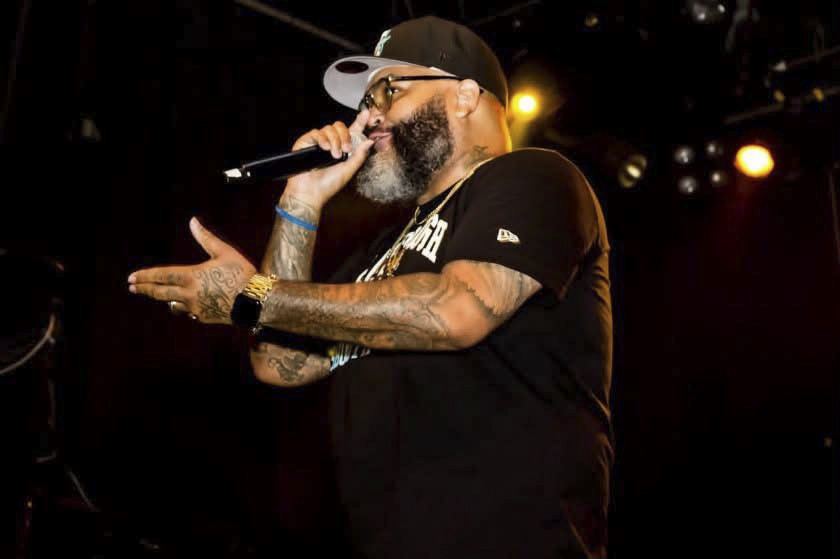
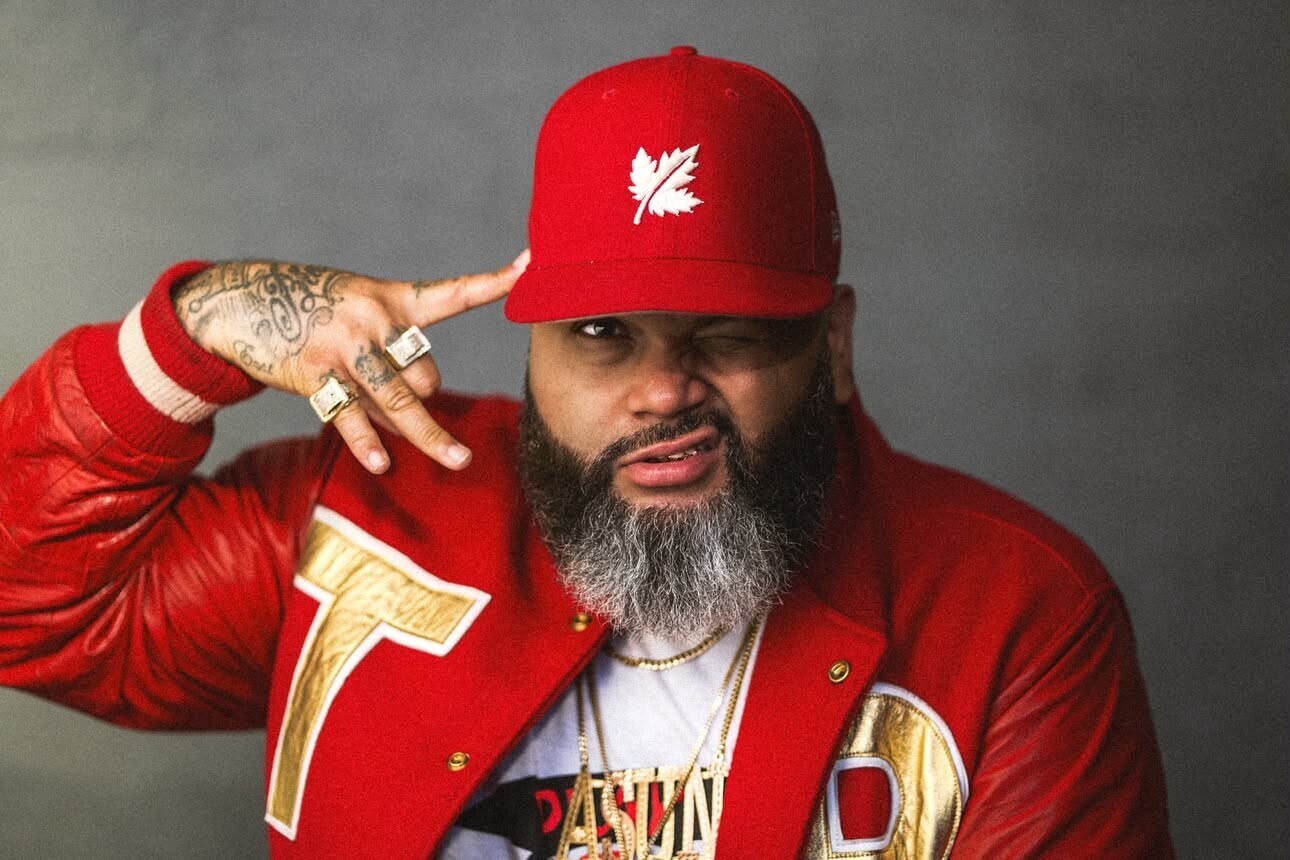
Photographer: Dilan Tingson
In 2016, he returned to writing and recording as an emotional catharsis. The floodgates opened. In July 2017, he released his debut solo album, Nimbus, featuring Conway the Machine and Skyzoo. Four months later, tragedy struck again when his close friend Brandon Briggs passed away. Asun immediately poured his grief into Hollywood Briggs.
Over the next eight years, Eastwood released twelve albums, collaborating with underground royalty including: Benny the Butcher, Kool G Rap, Styles P, Ghostface Killah, and M.O.P.. Grief had become an artistic mandate.
Transformation & Present Moment: Medicine in the Dirt
Asun’s music mirrors his life: heavy basslines, East Coast boom-bap cadences, and vivid street reporting infused with moral reflection. He treats microphone control like a fine discipline, balancing raw power with vocal restraint.
This philosophy extends beyond the booth. In 2023, Eastwood partnered with graphic artist Mark Stoddart to transform his signature catchphrase, “Let Me Talk My Sh*t,” into a public health campaign raising awareness for colorectal cancer among Black men. Supported by Canadian cultural figures like Maestro Fresh Wes and Bishop Brigante, the initiative turned street bravado into community advocacy.
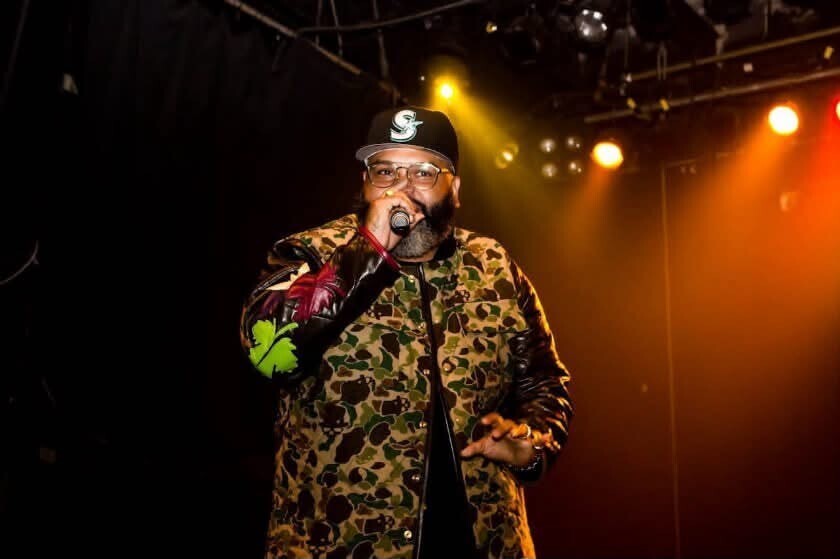
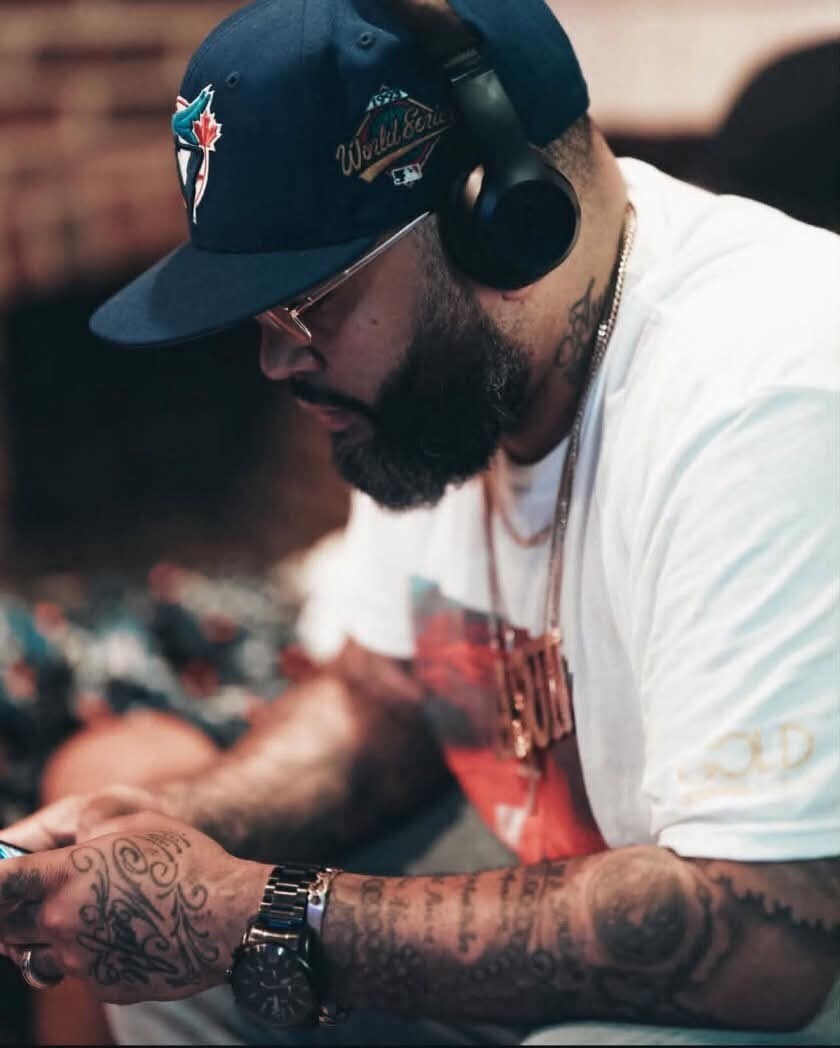
Photographer: Dilan Tingson
Culturally and financially, Eastwood rejects streaming-era disposability. He operates his own independent platform, selling physical vinyl directly to a global fanbase. Whether watching Chopz’s daughter, Egypt, graduate as high school valedictorian, or raising his own two-year-old son with uncompromising discipline, for Asun, true community is paramount.
Today, Eastwood stands at a crossroads between two worlds. In Toronto, he navigates an unforgiving music industry while eyeing a future in executive A&R. In Belize, where annual land tax on family property costs a mere twenty dollars, he sees the ultimate blueprint: buying back land, building generational wealth, and restoring sovereignty to his people.
He has survived abuse, police involvement, street violence, bullet wounds, and the loss of his closest brothers. He has proven that an African Caribbean man from Toronto’s East End can build a global career on his own terms.
Yet as the studio lights dim, the ultimate tension lingers: Can an artist who built an empire out of grief and grit transform the business before it transforms him; and how much land will he reclaim in Belize before the world finally catches up?
Stay in the loop with exclusive news, stories, and insights—delivered straight to your inbox. No fluff, just real content that matters. Sign up today!