
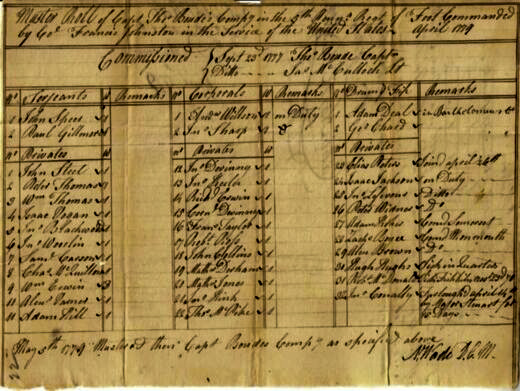

Nearly four million records of enslaved people are now searchable online, records that were previously difficult, if not impossible, to find. However, these same records are only available to those willing to give up their data to an Ancestry account. Let us dive in.
These are records of enslaved people who were kept in 20 former British colonies, including the Bahamas, Barbados, Jamaica, Mauritius, South Africa and Trinidad, to name a few. The collection consists of more than 300,000 pages and spans the years 1813 to 1840.
Researchers describe the records as having been created with chilling precision. They include names, ages, physical descriptions and family ties, as well as births, deaths and transfers of ownership. Some records even documented whether an individual was born in Africa or the Caribbean.
Nicka Sewell-Smith, a professional genealogist and senior story producer at Ancestry, defended the importance of the records. “When I use these records to unearth my enslaved ancestors, I am using them for a purpose that was different from what it was initially intended for. Our product is restoring the humanity of a person.”
Sewell-Smith also spoke about the precision of the documents. “You can pinpoint an exact birthday for an enslaved baby,” she said.
For those who would rather detach themselves from the history of the slave trade, Sewell-Smith offered another perspective: “There are potentially millions of people who descended from the enslaved people in the archive. Oftentimes, one of the ways that people detach from enslavement is to insinuate that nobody is living connected to these people. That is foundationally not true.”
Professor Matthew J. Smith, director of a centre at UCL, also weighed in, calling these registers “The most systematic set of archival documents we have on enslavement in the British Caribbean and British colonial world.”
The register was released following a three-year research project examining the British government’s role in slavery and identifying as many as 10,500 people who invested in the trafficking of enslaved Africans over nearly two and a half centuries.

Yet, just like clockwork, there have been calls for historians to shift the focus of research away from the people and institutions that owned, trafficked and administered enslaved populations, and toward the lives of enslaved people themselves, with the argument that this would help the public better understand their experiences.
Here is where the conversation becomes complicated. Professor Smith put it plainly, “The biggest piece of the story of British slavery, and it is also the most misunderstood piece, is the experience of the enslaved.”
That experience absolutely deserves examination. So do the systems, institutions and individuals that created, administered and profited from slavery. One should not erase the other.
Then there is the question of access.
How much personal information should people be required to surrender to discover their own history? What happens when deeply personal ancestral records become part of a commercial data ecosystem?
The Ancestry scheme raises questions that deserve scrutiny. We have seen data-driven platforms before. When the desired amount of data was harvested, some disappeared or changed their terms of access.
This may or may not be different. Caution, however, should remain the watchword.
Please do not simply give your data to anyone claiming they can tell you your history. Data is the new currency, so ask yourself: Why now? How long have our people been asking for reparations? What is the answer? Have the holders of these archives suddenly developed memory loss?
Why now?
Stay in the loop with exclusive news, stories, and insights—delivered straight to your inbox. No fluff, just real content that matters. Sign up today!