


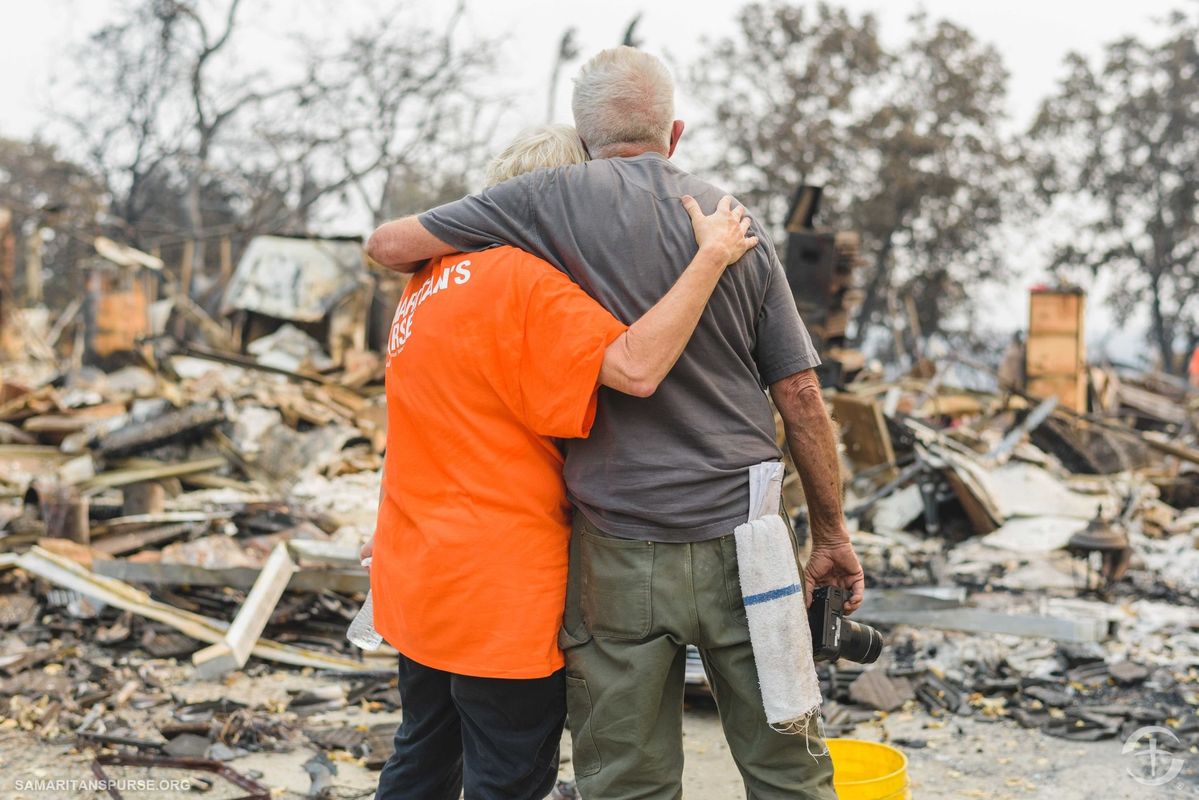

Make noise for all the regions and nations suffering from natural disasters, conflict, and war. Too often, it is only noise: sound without consequence, outrage without outcome. We march, protest, write letters, and shout from rooftops, yet the lives of those enduring devastation rarely change in meaningful ways.
Does that sound pessimistic? Fatalistic? Perhaps, but it is rooted in observation, not apathy. I am a student of history; deeply so. Where others read, I absorb. I ask how events unfolded, why they happened, who made decisions, and what consequences followed. History is a living pattern, and one truth remains constant: every human action carries consequences, often far beyond what is intended.
Consider a simple example. A child on a scooter crosses illegally into traffic, causing a chain of accidents. The child may walk away unharmed, but others suffer injuries, financial strain, and emotional distress. Some may lack insurance; others may face long-term health impacts. One small action triggers widespread consequences. Accountability may fall on the child, but the ripple effects extend far beyond a single moment.
Now expand that logic to global politics.
When a leader makes a military decision, the consequences are rarely contained. A single strike can provoke retaliation, pulling in allies and escalating tensions across regions. Nations respond not only directly, but through alliances and perceived loyalties. What begins as a targeted action can quickly spiral into something far larger and more dangerous.
History has shown us this before. The world wars were not isolated conflicts; they were the result of interconnected alliances, rising tensions, and reactive decisions. Today, the same structures exist. Nations remain armed, aligned, and alert. The presence of advanced weaponry (including weapons of mass destruction) raises the stakes even higher. All it takes is one moment of perceived threat, one irreversible decision, to ignite widespread devastation.

“What you have here is exactly what happened in the Great Wars.” This is not speculation. Human behaviour follows recognizable patterns. If one person raises a hand in anger, another raises theirs in defense, and once that line is crossed, retaliation often follows. The cycle becomes predictable: action, reaction, escalation. Despite our awareness of history, we continue to repeat it.
This raises difficult questions. Are humans inherently driven toward conflict? Has greed replaced the pursuit of collective well-being? Or are we simply unwilling to break patterns that feel inevitable?
Moments of reflection (cultural, spiritual, or otherwise) often invite us to reconsider our actions. Yet even during times that call for compassion and restraint, cycles of harm persist. The idea of turning the other cheek feels increasingly distant in a world shaped by retaliation and survival.
Can peace truly be achieved, or is it an ideal we invoke without fully committing to its demands?
The weight of history suggests that awareness alone is not enough. Understanding past mistakes does not automatically prevent their repetition. It requires deliberate action, restraint, and a willingness to disrupt deeply ingrained responses.
Until then, the pattern holds.
Stay in the loop with exclusive news, stories, and insights—delivered straight to your inbox. No fluff, just real content that matters. Sign up today!