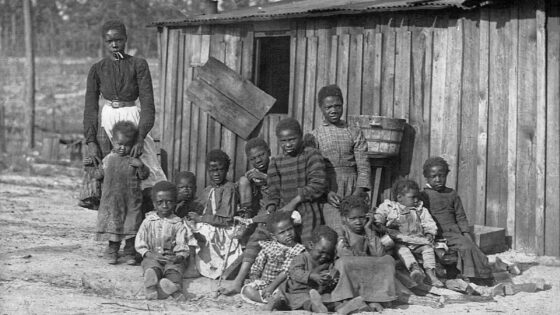


The kerosene lamp flickered against the wooden walls of a small house in a Westmoreland hamlet, casting long, dancing shadows that looked like giants to a young boy with a pencil in his hand. There was no electricity to hum in the background, no running water to splash in a sink, only the rhythmic rustle of the surrounding sugar cane fields and the heavy, sweet scent of the harvest.
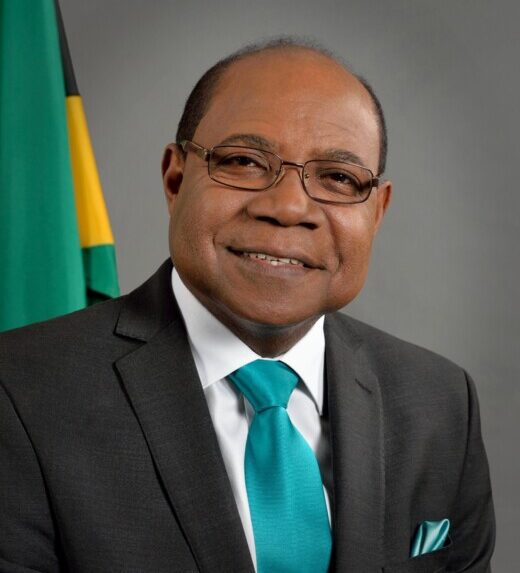
In his notebook, the boy wrote his name, over and over, but with a strange, prophetic addition: Sir Edmund Bartlett, LLD. He was a child of the soil, a village child raised by a collective of uncles and aunts who owned nothing but their community, yet he was already drafting a life that did not yet exist in the geography of a sugar cane village.
Jamaica, in those days, was a character that demanded resilience before it offered reward. Young Edmund grew up in a world where the village supported the child, a place where individual success was a communal victory. His education began not in grand halls, but in basic schools run by neighbours who had a little knowledge and a large desire to impart it. This was the making of him, a foundation built on the value systems of the church, where he learned his foundation of morality: what was right, what was wrong, and what it meant to be an acceptable member of a human story.
“Tourism didn’t happen by way of design,“
There was a moment, in those teenage years, when the pulpit called to him. He was so deeply involved in the religious life of his community that he saw himself becoming a minister of religion. He wanted to speak to the souls of people, to guide their narratives. He did not realize then that he would eventually become a minister of a different sort, but the core mission remained the same: people engagement. Those early prophecies in his notebook (the knighthood and the doctorate) were not just vanity; they were a young mind projecting itself into a future where he could stand on the world stage.
The transition from the sanctuary to the political arena was fueled by the fire of university life. At the University of the West Indies, Edmund became a powerful elocutionist, a young man who understood that words were tools for building or breaking. He organized national debates, unearthing young talents who could articulate the Jamaican struggle. It was here that the political leader began to emerge. He was noticed by the leadership of the day for his ability to position and highlight the potential of others.
As you can guess, the road was not paved with easy victories. At 25, Edmund found himself campaigning in the middle of a state of emergency. The air was thick with tension; every step of the campaign felt like navigating a minefield where the government used the law to suppress the opposition. “They were arresting somebody here, somebody there,” he recalls of that difficult period. He lost that first election, but he didn’t lose his vision. He retreated into the private sector, working for Texaco, where he learned the cold, hard logic of marketing, sales, and the service sector. He was learning how to tell a story that people would listen to and be able to connect with.
“Tourism didn’t happen by way of design,” Bartlett says, his voice carrying the weight of four decades of service. “Tourism really came about through political fortuitousness.” When internal party disruptions forced a regrouping, he was asked to leave his comfortable Kingston seat and return to the west, to Montego Bay. He was told that if he was to be responsible for the west, he had to be responsible for its main economic activity, tourism.
He had no background in the industry, no formal history in hospitality, but he understood Jamaica. He understood that tourism was not just about beaches and recreation and fun. He saw the industry as a consumption-driven activity that, if managed correctly, could be the fastest way to transfer wealth from the rich to the poor.

He began to view the tourist as a participant in a grand exchange of enduring trust and confidence. You leave your home, fly 9,000 miles, and land in a place you do not know, trusting that the water is clean, and the people are kind. To Minister Bartlett, this was the ultimate human story. He stopped treating tourism like a side-show and started treating it like a resilient economy. He moved beyond the extractive nature of the business and focused on human capital development, certifying 40,000 workers so that a housekeeper or a sous-chef was a certified professional with mobility.
He stopped treating tourism like a side-show and started treating it like a resilient economy.
Today, the boy who wrote “Sir” in a kerosene-lit room is a man who has been married for over 50 years, a father, and a grandfather who still finds joy in the click of dominoes, the strategy of cricket, and the rhythm of a dance floor. He has been named to the Global Top 100 Most Influential People of African Descent, yet he still speaks of himself as a village child.
He is a man who has spent forty years in the house of power, but he warns the next generation that power is nothing without the capacity to convert ideas into material goods and services. He has become one of the country’s most influential curators of its tourism story by realizing that the story is about the people.
When you look at Minister Bartlett today, you see the LLD and the equivalent of the knighthood he once dreamed of, but beneath the titles behind his name, there is still that boy from the sugar cane village, standing in the dark, writing a story that he knew would one day belong to all of Jamaica.
He leaves us with a lingering question, one that defines his legacy: If tourism is the storytelling of a nation, are we telling a story that makes our people the protagonists of their own prosperity, or are they merely background characters in someone else’s vacation?
Stay in the loop with exclusive news, stories, and insights—delivered straight to your inbox. No fluff, just real content that matters. Sign up today!